For many travellers, a journey to Tibet is a must on the bucket list of a lifetime. Yet some may worry that, with the long distance, the high altitude and the fuss of arranging travel permits, a Tibet trip is no simple matter. In reality, we can make your Tibet journey as easy and comfortable as an ordinary weekend holiday, taking care of the permits, the altitude and the long roads so that you meet only the wonder.
On this 4-day essential Lhasa tour, you will not only visit Lhasa's most spectacular sights — the Potala Palace, Sera Monastery and Jokhang Temple among them — but also go deeper into the city's history and experience the everyday life of local Tibetans through activities such as walking through the old quarter of Lhasa. Between the grand monuments and the quiet lanes, you come to know Lhasa through both its majesty and its humanity.
Oxygen is provided in the hotel rooms and oxygen cylinders are available throughout the trip; we choose restaurants with genuine local character for you, and the Tibet Travel Permit is included, so the paperwork is one worry you can set aside.
01
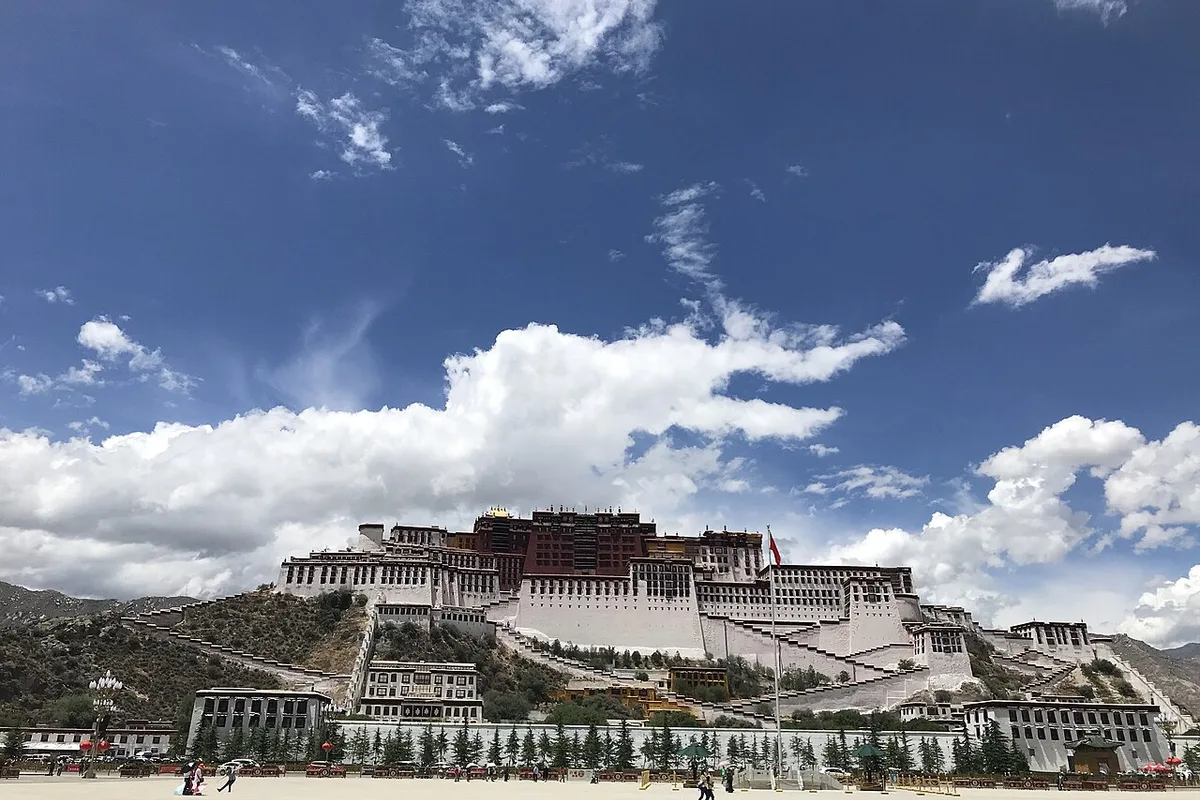
Unveil the mystery of the Potala Palace
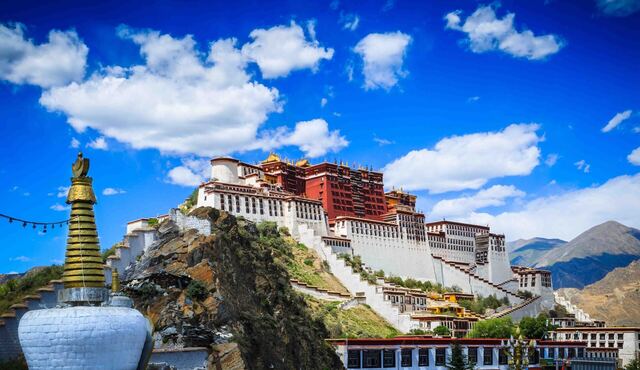
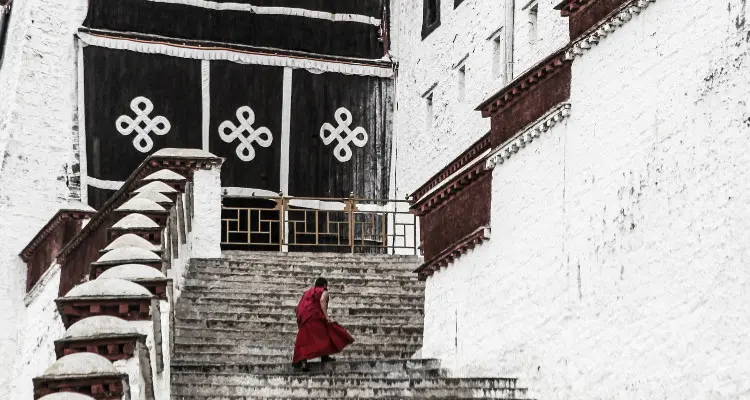
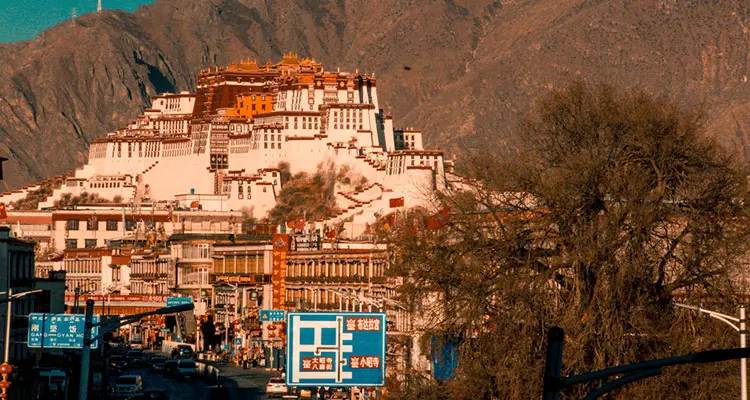
Climb the highest palace above sea level in the world. Ascending through the White Palace and the Red Palace, exquisite murals, richly decorated statues and antique relics unfold one after another; as the guide recounts the rise and fall of the Tubo dynasty, the royal heritage within this architectural wonder comes alive rather than remaining merely an outline in a photograph. We also take you to four of the best vantage points for a full view of the palace — the Potala under different light shows two entirely different faces.
02
Watch the monks' debates and the rock thangka
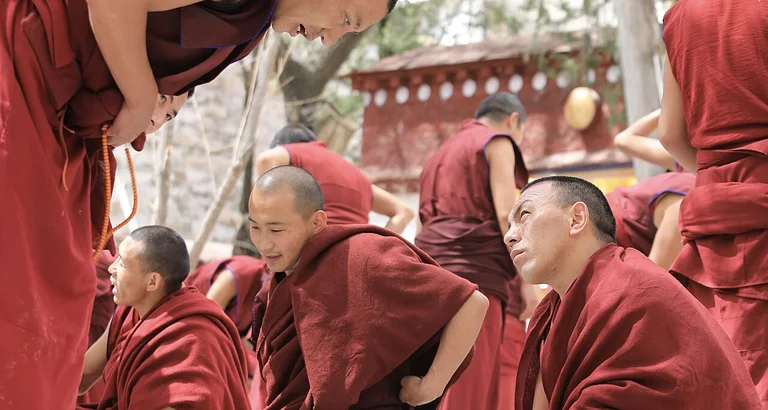
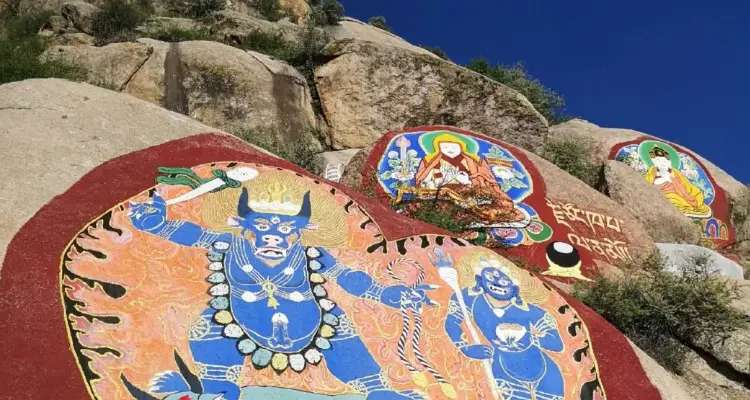
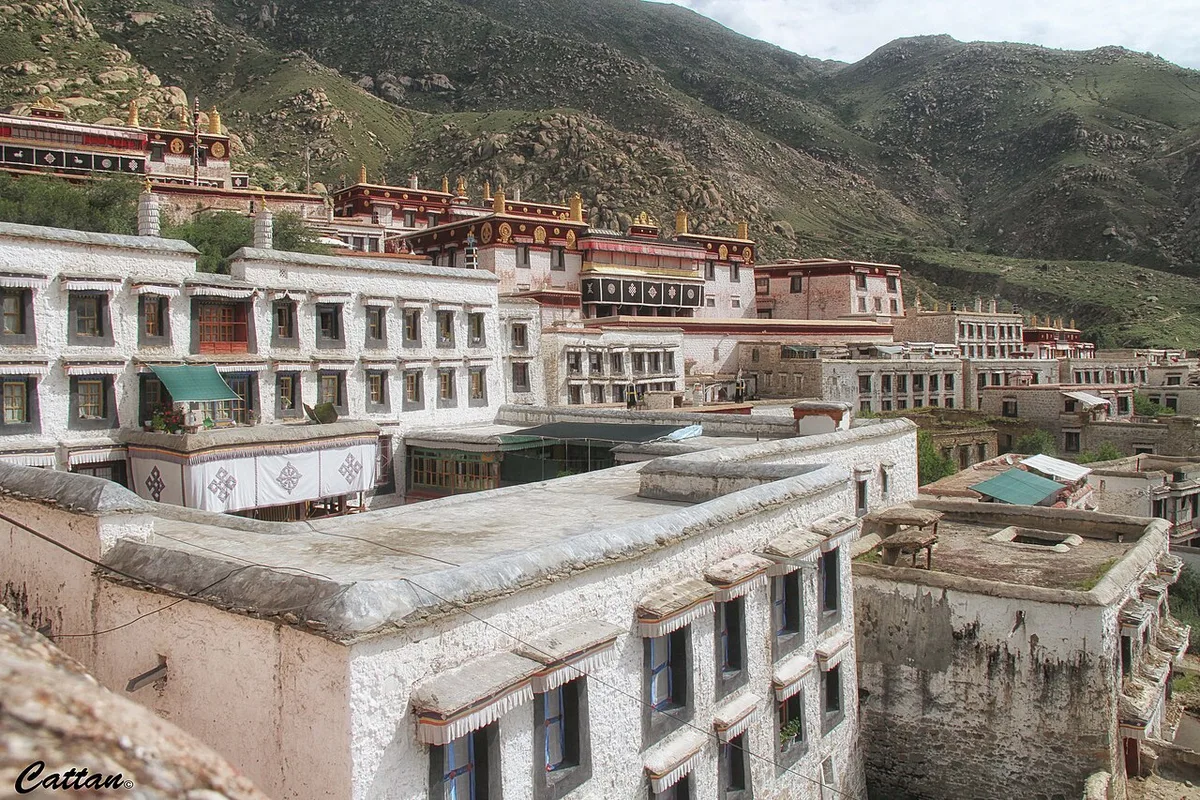
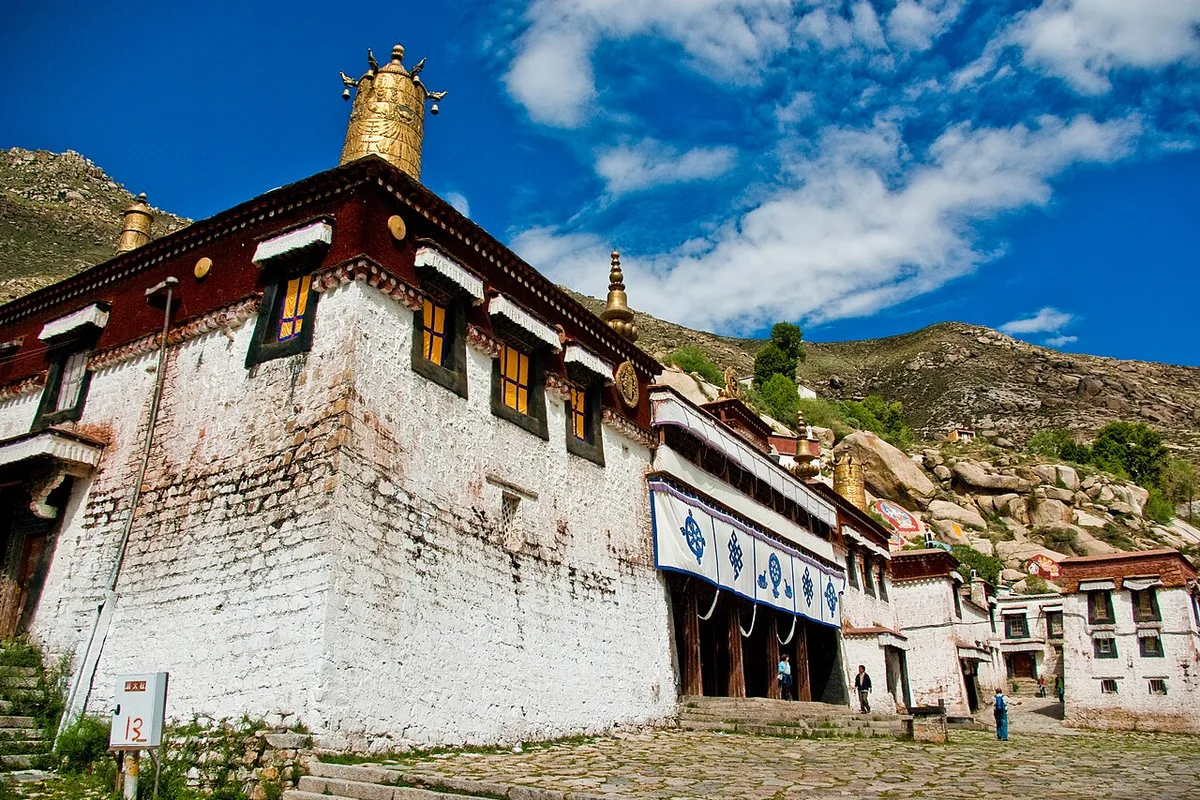
Time your visit to Sera Monastery right and you can catch the distinctive debate of Tibetan monks — clapping, questioning, answering — a scene you will hardly see in monasteries elsewhere. Inside are a grand chanting hall, colleges and 32 monk quarters. Do not miss the little-known giant rock thangka painting on the hill behind the monastery, nor the magnificent panorama of Lhasa city seen from the hillside. The rhythmic clap of hands and the rapid exchange of argument are at once theatrical and deeply serious.
03
Discover Tibetan daily life on Barkhor Street
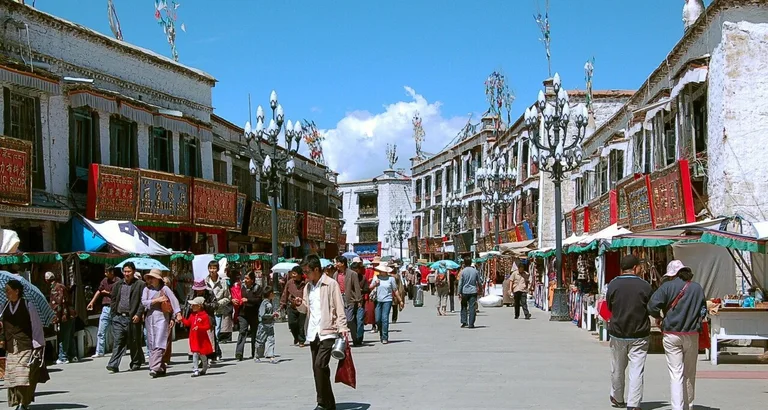
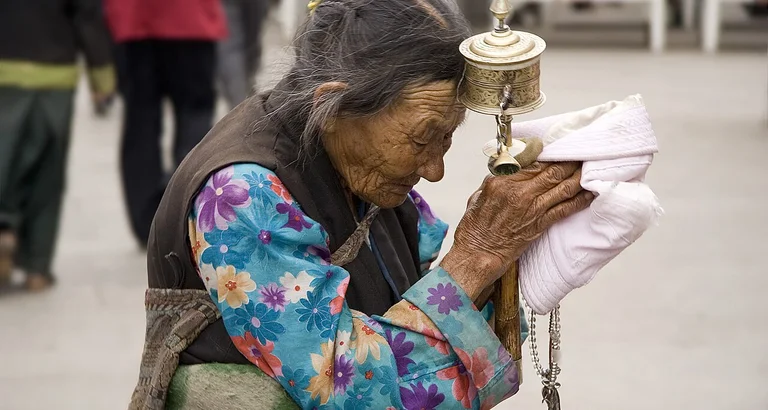
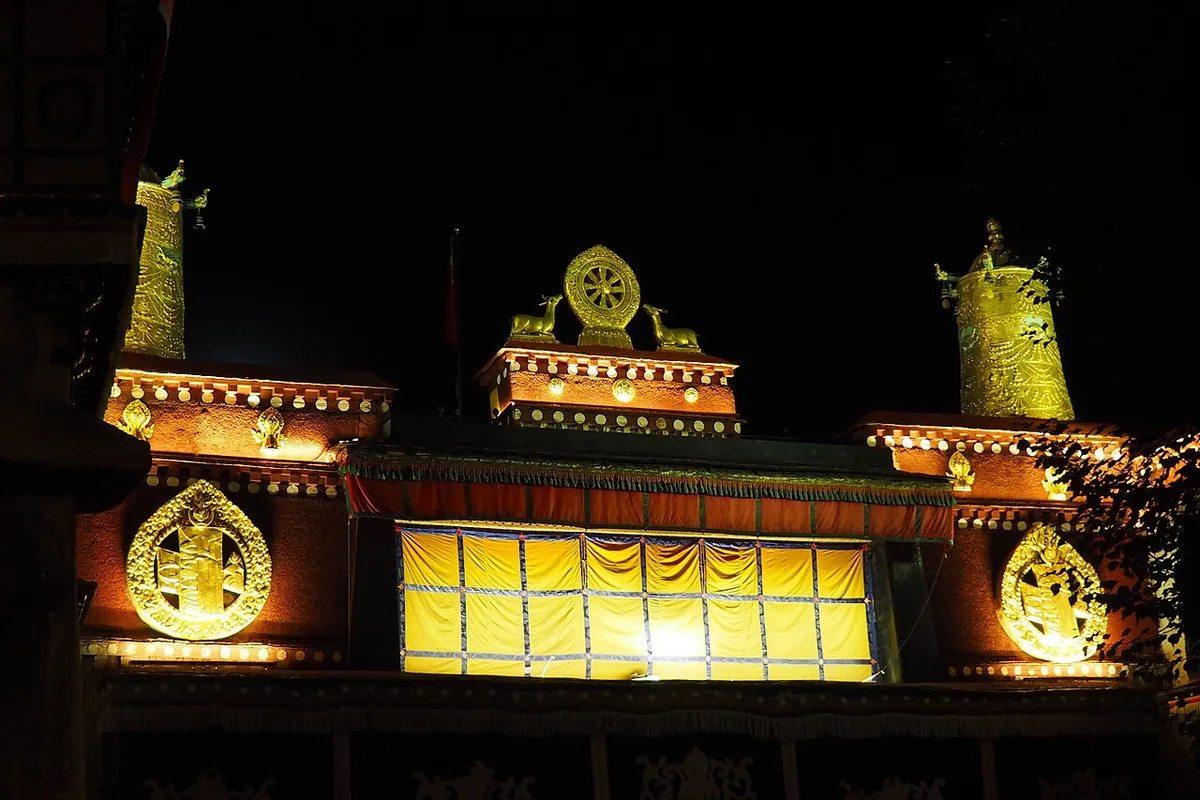
Spend the afternoon walking through Lhasa's old town. Step into Jokhang Temple and watch devotees circumambulate with full prostrations at every step; then browse the local market on Barkhor Street — yak butter, Tibetan incense, prayer wheels, pulu cloth and assorted things you cannot name, some of which may stretch your imagination. Amid the dazzling array of stalls you can read the most authentic daily life of the Tibetan people, each stall a small window onto a way of life unchanged for centuries.
04
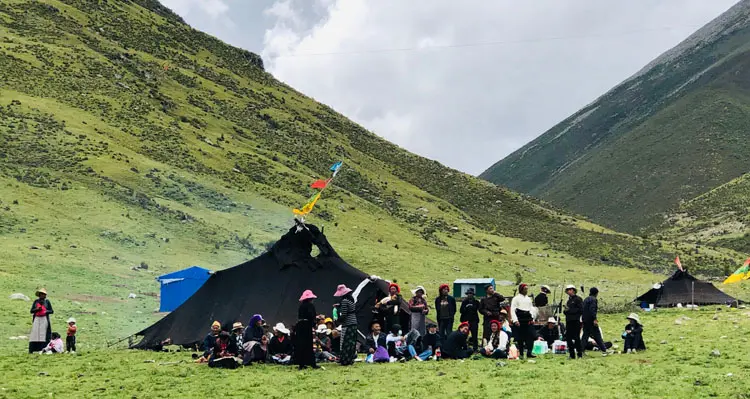
Live a day of Tibetan nomadic life
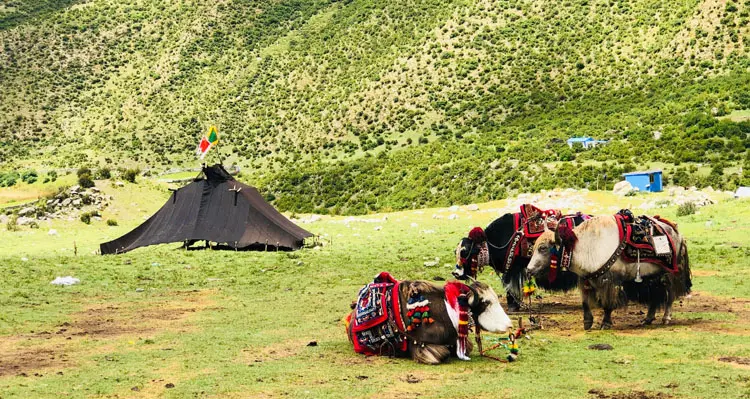
Setting out from the village where Tibetan herders spend the winter, walk to their summer pasture — the walk itself is a highland pastoral scene. In the herders' tent enjoy an authentic Tibetan lunch, then try horse riding, milking yaks, churning butter and printing prayer flags. This arrangement is open from May to early October and suits travellers who want to step away from the monasteries and draw close to real highland life, under an open sky where yaks graze and the wind moves across the grass.
05
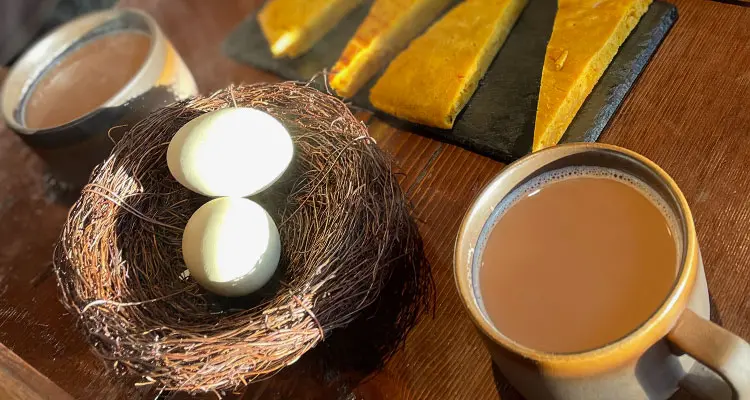
Sip Tibetan sweet tea at a quiet nunnery
Far from the bustling crowds, sit down in a quiet nunnery surrounded by flowers and drink a steaming cup of Tibetan sweet tea. In the courtyard the trees and blossoms grow lush and scattered, and in your ears there is only the low murmur of chanting — at 3,650 m above sea level in Lhasa, a stretch of quiet afternoon tea like this often stays in the memory longer than any scenic spot, leaving a deeper mark on how you remember the city.
06
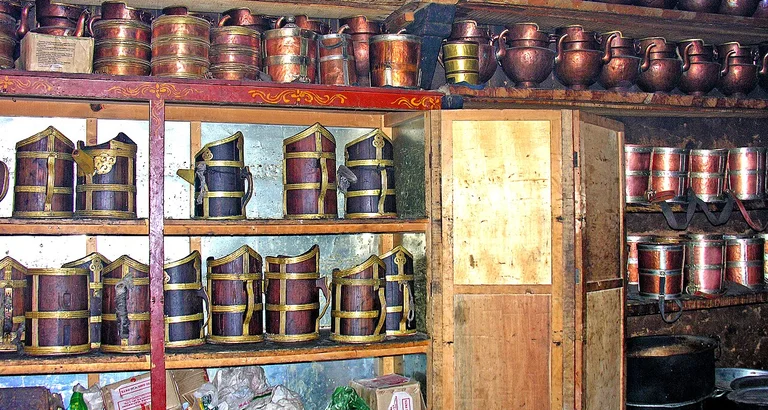
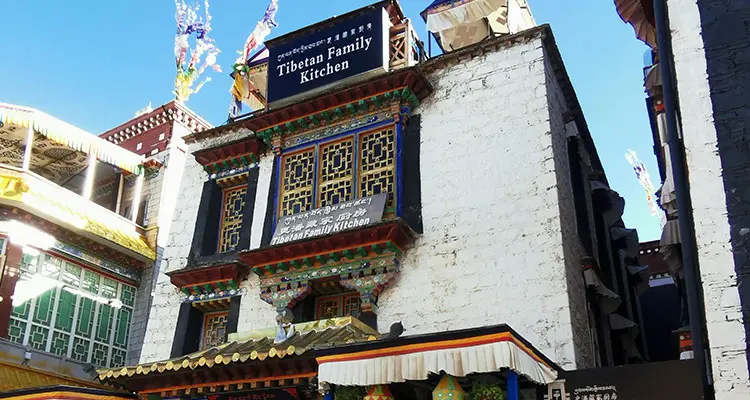
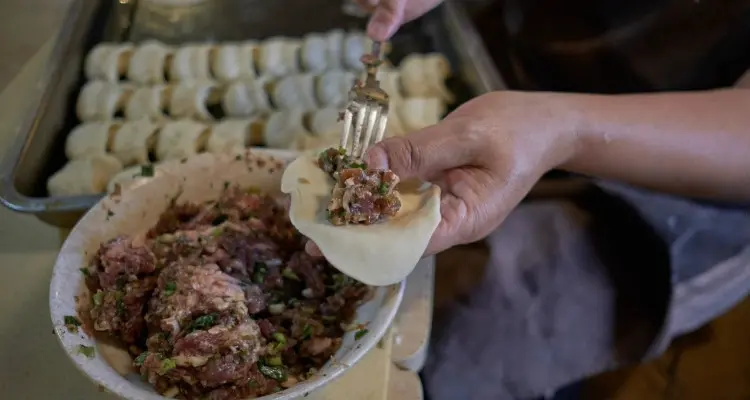
Learn to cook traditional Tibetan food
Step into a Tibetan family kitchen in the evening and, under the guidance of a local cook, learn to make a Tibetan dinner. Begin by getting to know the highland ingredients — highland barley, yak butter and yak meat — then fold the Tibetan yak-meat dumplings by your own hands. When the meal is done, what you take home is more than a flavour; it is the most direct understanding of highland life.