Tailor-make your private guided tour of Shanghai and Suzhou. Stroll through Shanghai's most charming neighbourhoods and feel the city's long history and its unique blend of French and Chinese character. Explore masterpieces of classical Chinese garden design, where refined scenery and architecture sit in perfect harmony with nature. Your private guide will lead you to these hidden gems - and far beyond.
Leave the details to us. When you book through us, you enjoy a personalised experience shaped entirely around your interests and preferences. Our experienced guides make sure your journey is smooth and unforgettable.
01
Witness the unique spatial design of Chinese gardens
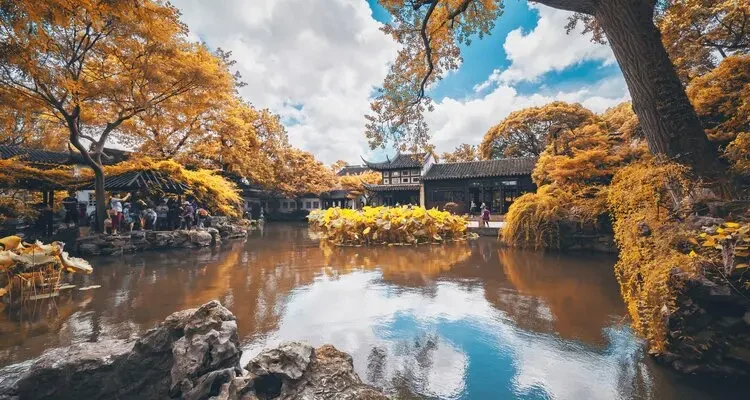
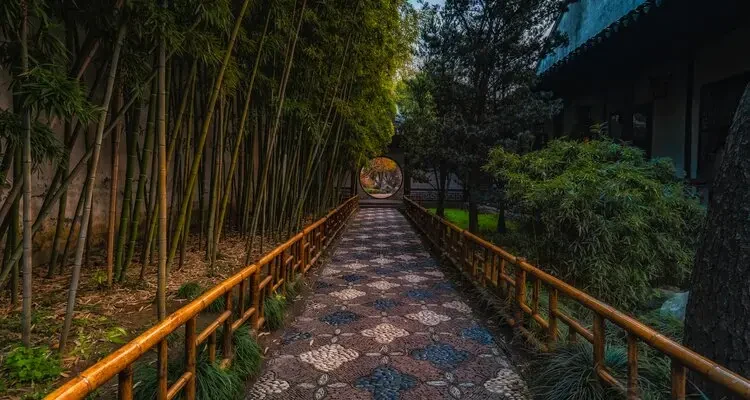
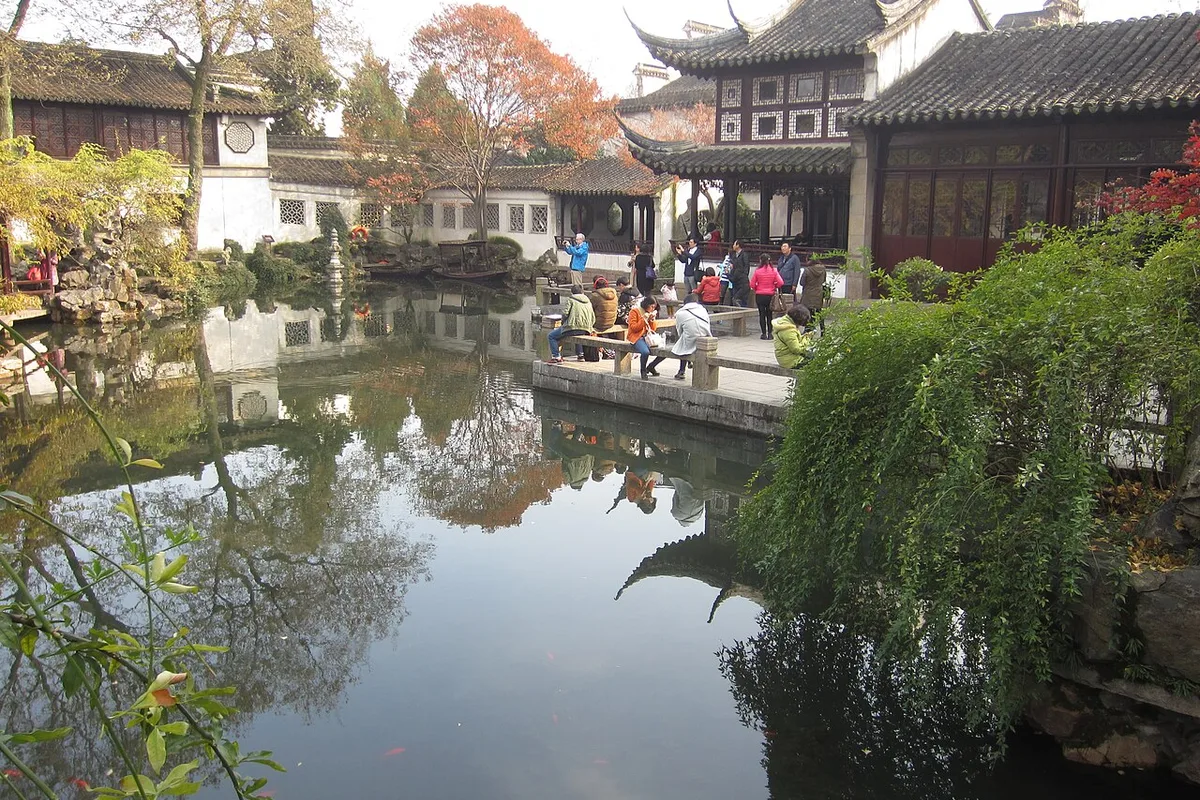
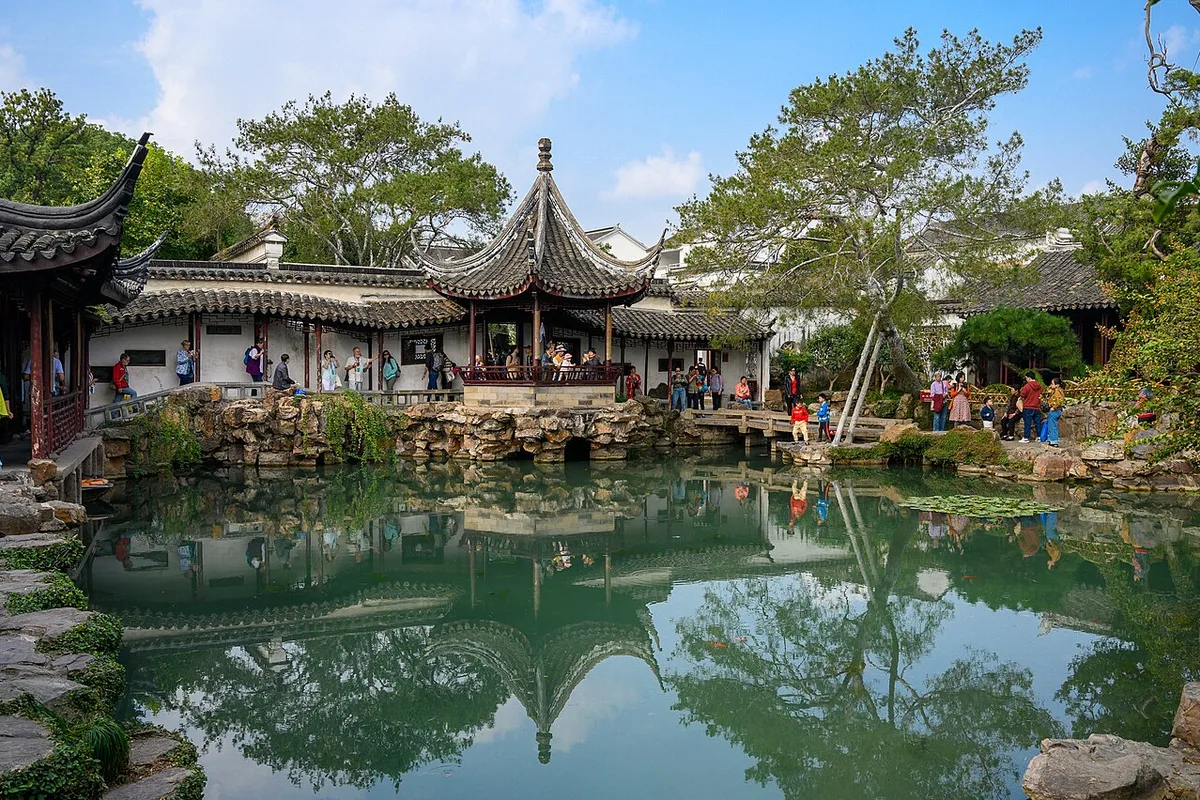
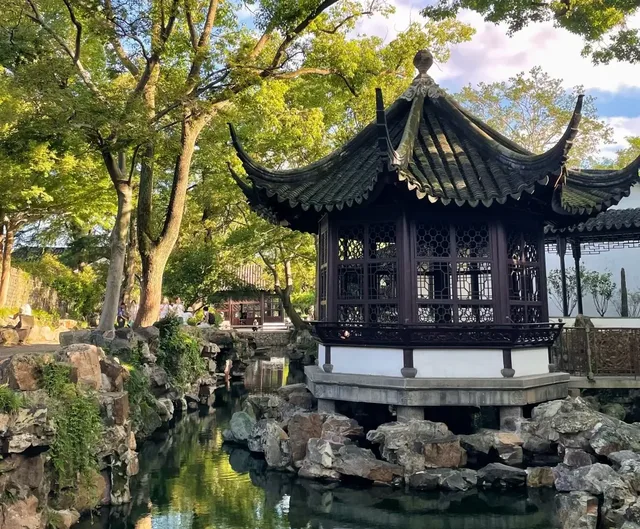
Covering barely two hectares, the Lingering Garden pushes the idea of change to its limit: a single winding corridor divides the whole garden into four zones - central, eastern, western and northern - and between them, lattice windows and covered walkways borrow views from one another, so the scenery reinvents itself every few dozen steps. The centre is built around water and hill, where the pond mirrors the Mingse Pavilion and a zigzag bridge; the east holds the halls where the owner once hosted guests, and here stands Cloud-Capped Peak, the tallest Taihu rock surviving in the Jiangnan region; the west is a wooded hillside left to nature, while the north displays hundreds of Suzhou-style bonsai. And don't forget to look down - the garden's 700-metre corridor and its patterned stone paths are exhibits in their own right.
02
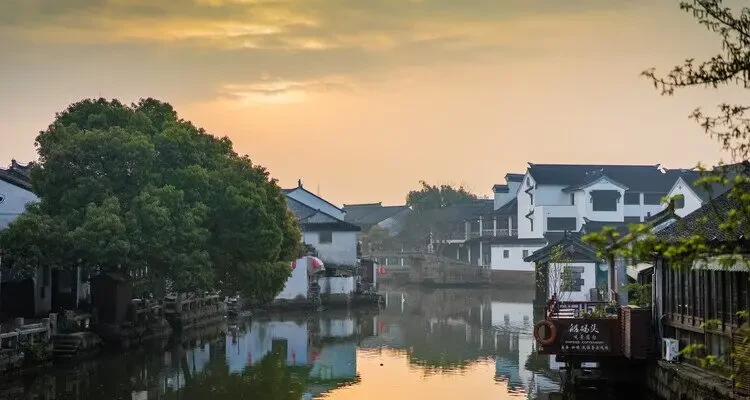
Relax on a hand-rowed boat in the Tongli water town
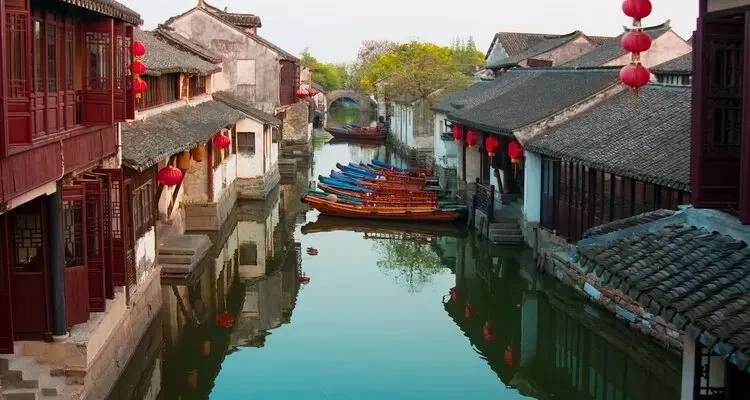
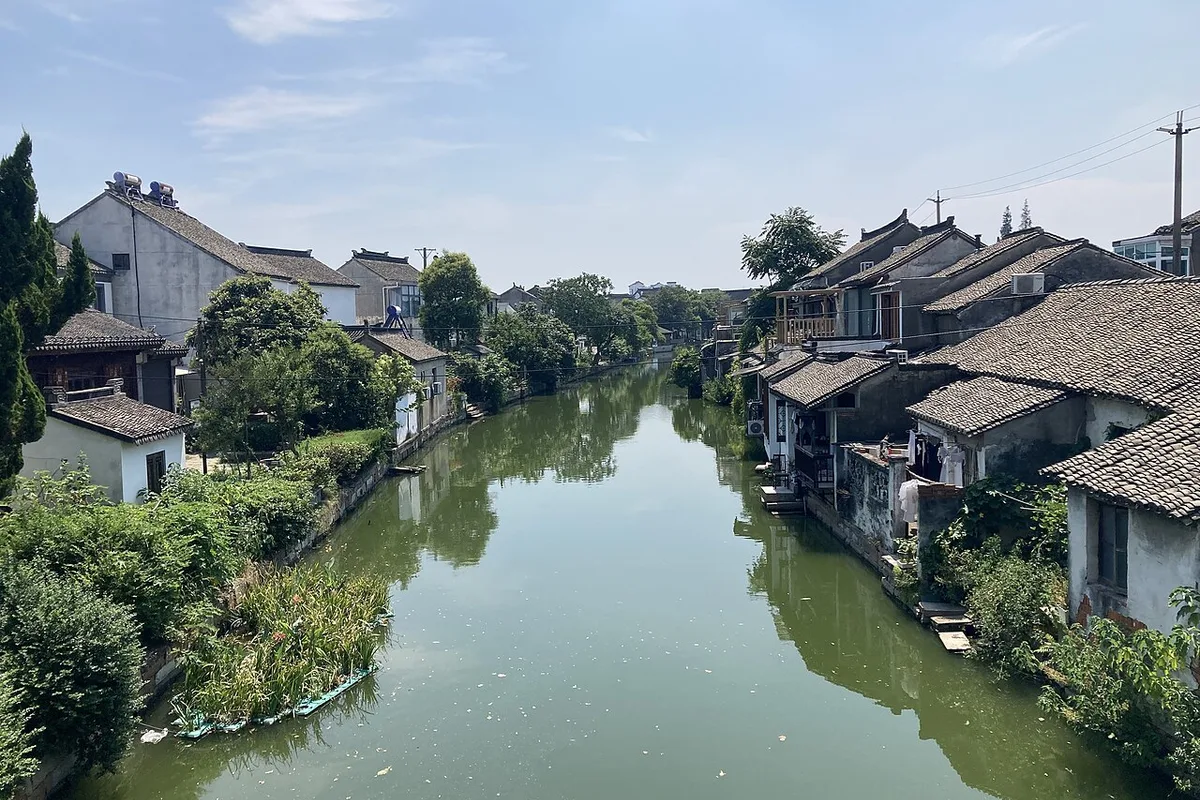
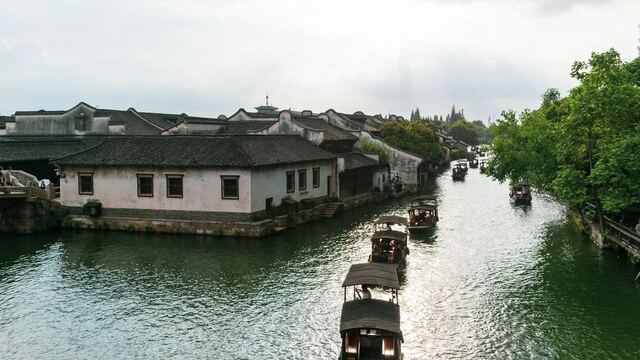
Tongli is embraced by five lakes, and fifteen canals cut the old town into seven islets linked by more than forty stone bridges - so the best way to see Tongli is by water. Step into a creaking hand-rowed boat; as the boatwoman works her single scull, the Ming- and Qing-era houses along the banks, residents washing clothes at the waterside steps and little tea tables set out by the water slowly drift behind you. Don't miss the Retreat and Reflection Garden after you land - a late-Qing garden also listed as a UNESCO World Heritage Site, where pavilions and terraces line the water's edge in a single row, a textbook example of the Jiangnan waterside garden.
03
Climb the hill at Tiger Hill
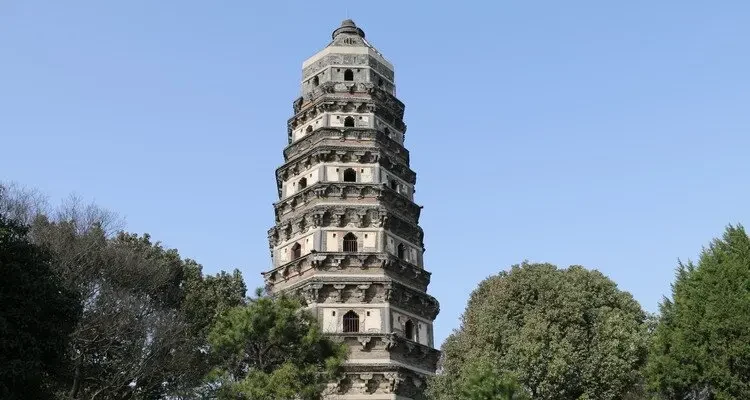
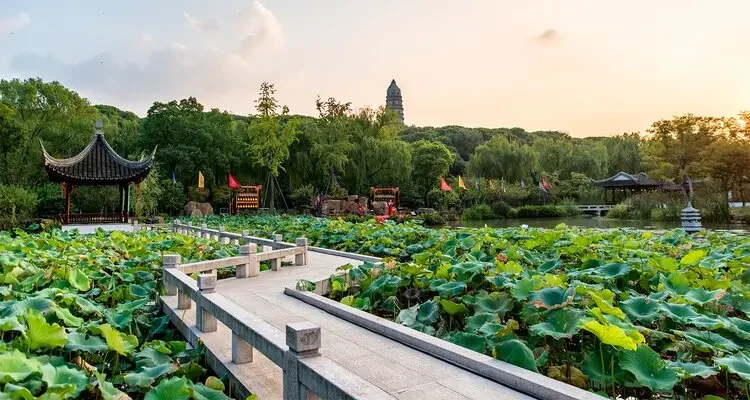
Su Dongpo once said, “To visit Suzhou without climbing Tiger Hill is a regret indeed.” This little hill rises just over thirty metres, yet it stacks twenty-five centuries of history into one place: at its foot, Sword Pool is said to mark the entrance to the tomb of King Helu of Wu, its walls carved with inscriptions by calligraphy masters across the ages; atop the hill, the Yunyan Pagoda was built in the Five Dynasties period and now leans northeast because of ground subsidence, earning it the name “China's Leaning Tower of Pisa” - and it has stood for over a thousand years. Halfway up, Wanjing Villa gathers Suzhou-style bonsai, hundreds of pine, cypress and elm stumps each in its own posture, and if you are interested you can watch a master prune them on the spot.
04
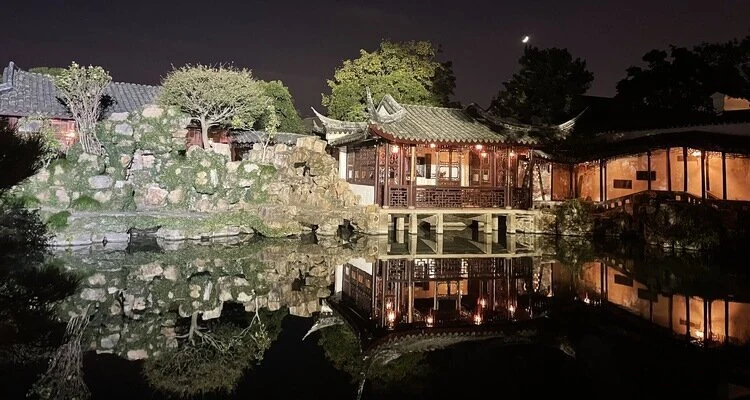
Uncover the mystery of Suzhou's night gardens
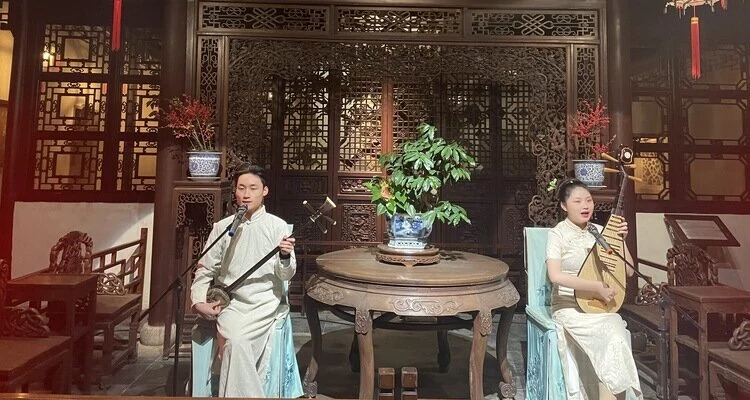
By day a garden is seen; by night it is heard. The Master of the Nets Garden was among the first classical gardens in China to open for night tours. After dark, its pavilions and terraces light up one by one in warm yellow, and visitors follow a guide's footsteps in and out, with a performance at every stop: above the Zhuoying Waterside Pavilion, Kunqu opera's The Peony Pavilion in its gentle, flowing shuimo melody; in the Pine-Viewing and Painting-Reading Studio, pingtan balladry with the three-string lute and pipa; from the Five-Peak Study comes the guqin and xiao flute; and in the Hall of Spring's End a tea table is laid for guests to sip a cup of Biluochun. Eight scenes string together into one flowing route, walked in about an hour - the most direct way to understand the night life of Jiangnan's literati.
05
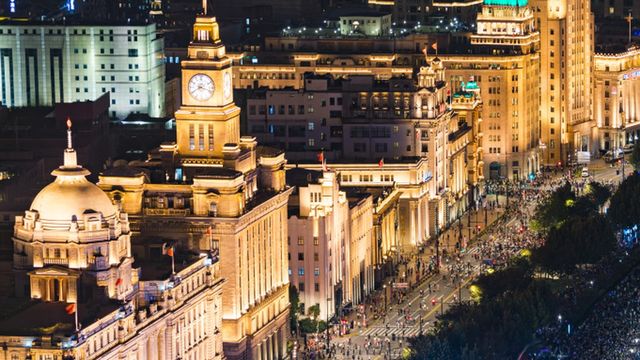
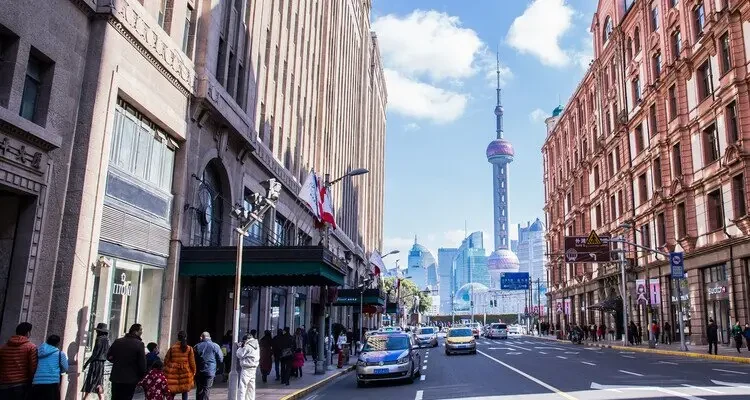
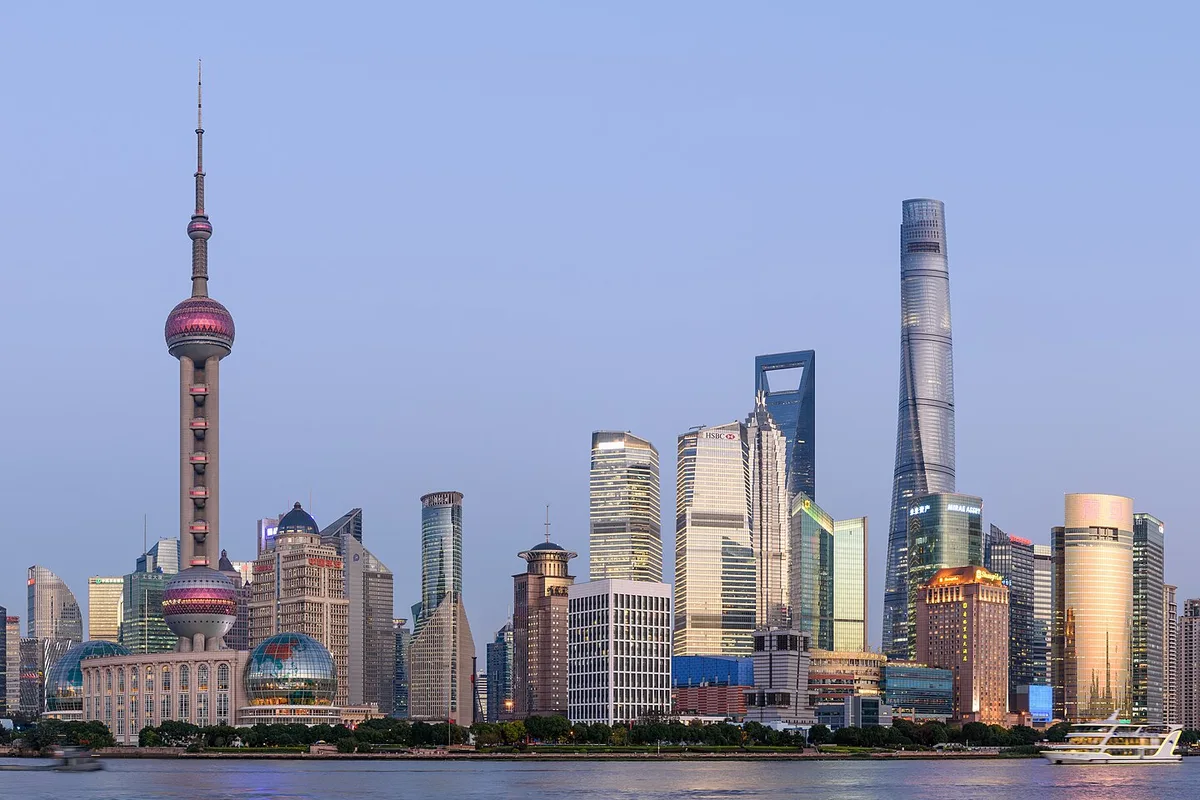
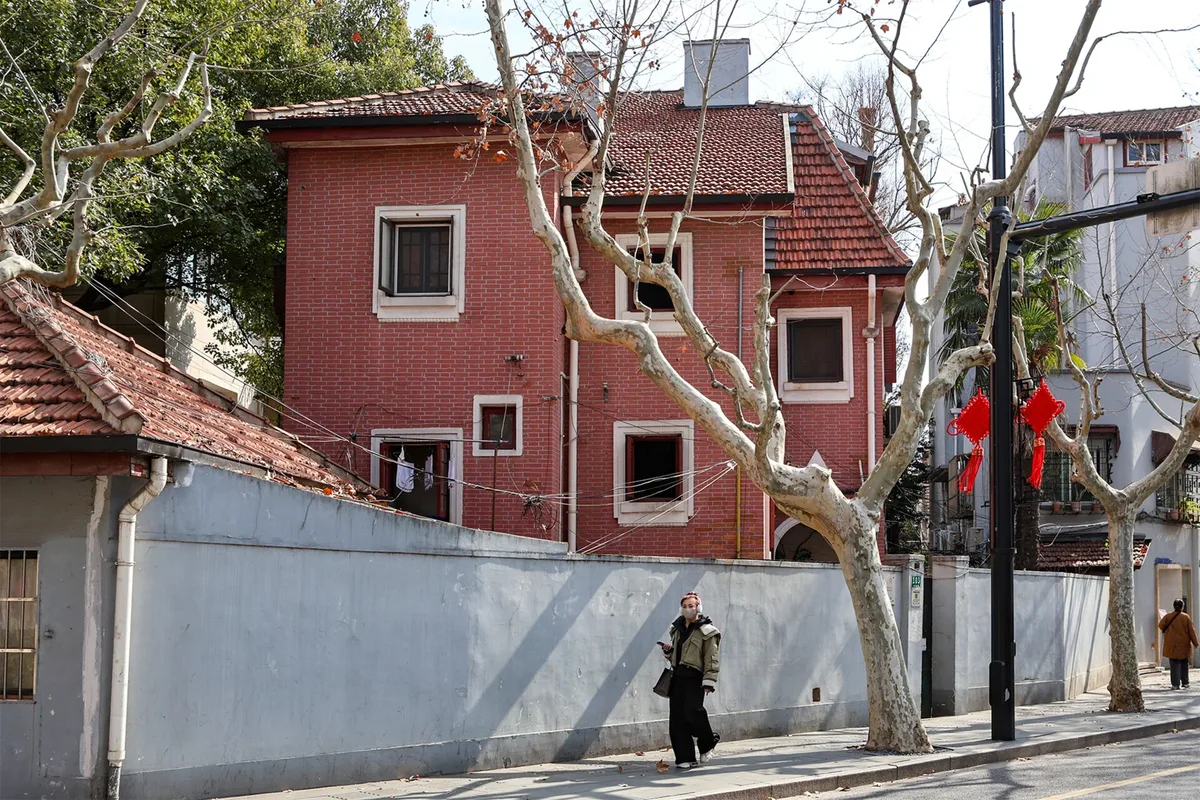
Experience the refined charm of the Bund
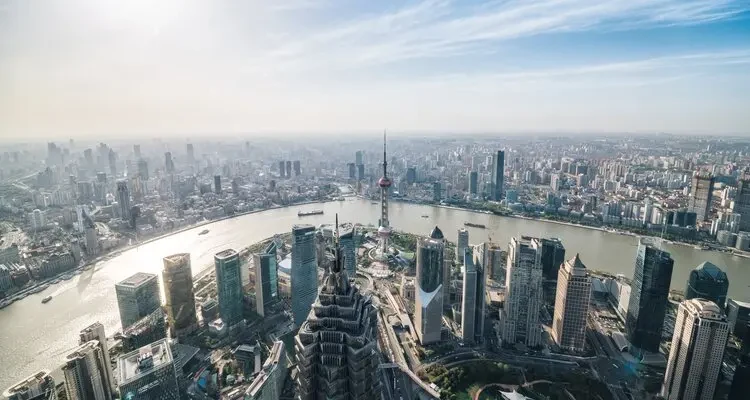
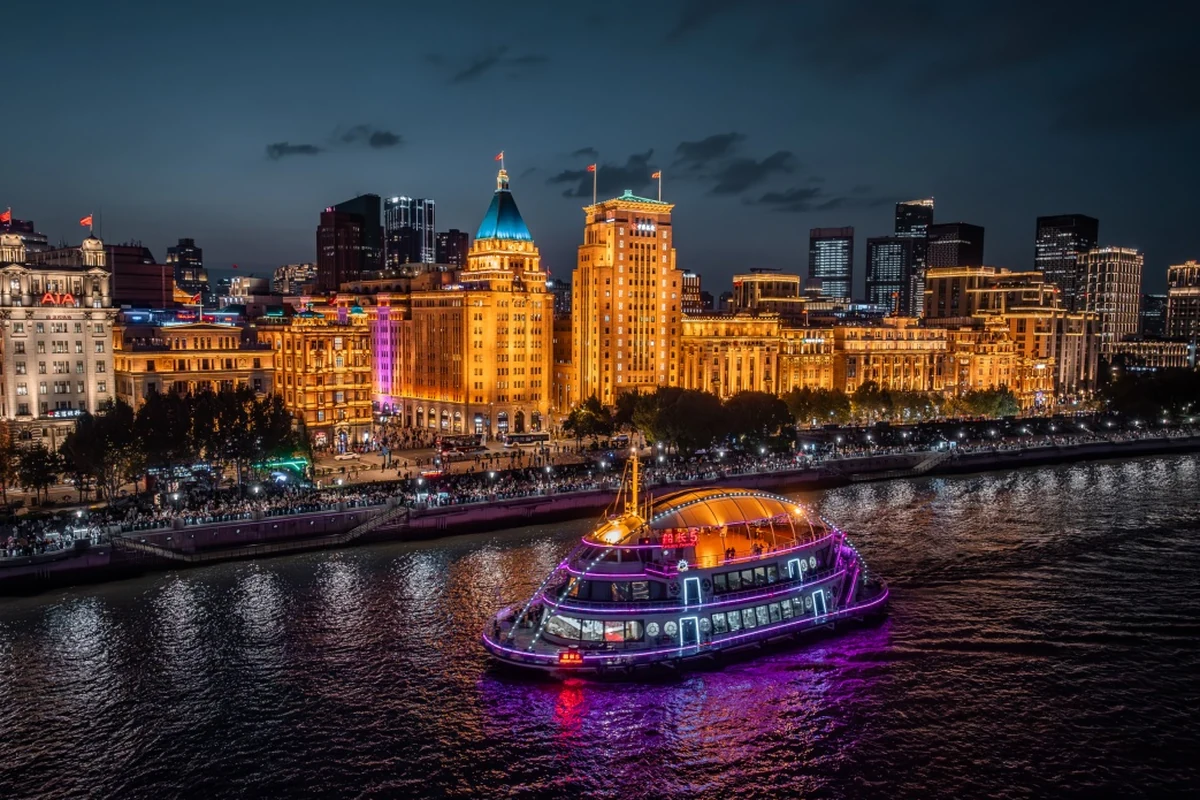
The essence of the Bund lies in “two ways of seeing it.” By day, walk along Zhongshan East 1st Road and the Bund's heritage architecture unfolds for about 1.5 km: the clock tower of the Customs House, the green copper roof of the Peace Hotel, the domed hall of the former HSBC building - 52 old structures of different eras and styles, telling the golden story of the Far East's financial centre in the 1920s and 1930s. Push through the revolving door of the Peace Hotel for a drink and you may still catch a live performance by a veteran jazz band. After dark, change the perspective - take a Huangpu River cruise, and in about fifty minutes one side shows the lit-up skyline of the old Bund while the other reveals the skyscrapers of Lujiazui, two Chinas facing each other across the river in a single frame. For the higher view, ascend the 632-metre Shanghai Tower and ride the world's fastest elevator straight to the 118th-floor observation deck in 55 seconds, taking in the whole S-shaped bend of the Huangpu River. And tucked west of Jiangxi Middle Road, the French Concession is another Shanghai: plane trees form a green canopy, and the old villas around Wukang Road and Anfu Road have been turned into cafes and boutiques - perfect for a slow afternoon stroll.