
G318 Sichuan-Tibet Highway: Drive Yourself or Hire a Driver, and How Many Days to Lhasa
Chengdu to Lhasa is 2,140 km. Eight days is the limit, ten is the norm, fourteen lets you actually see it. What changed…
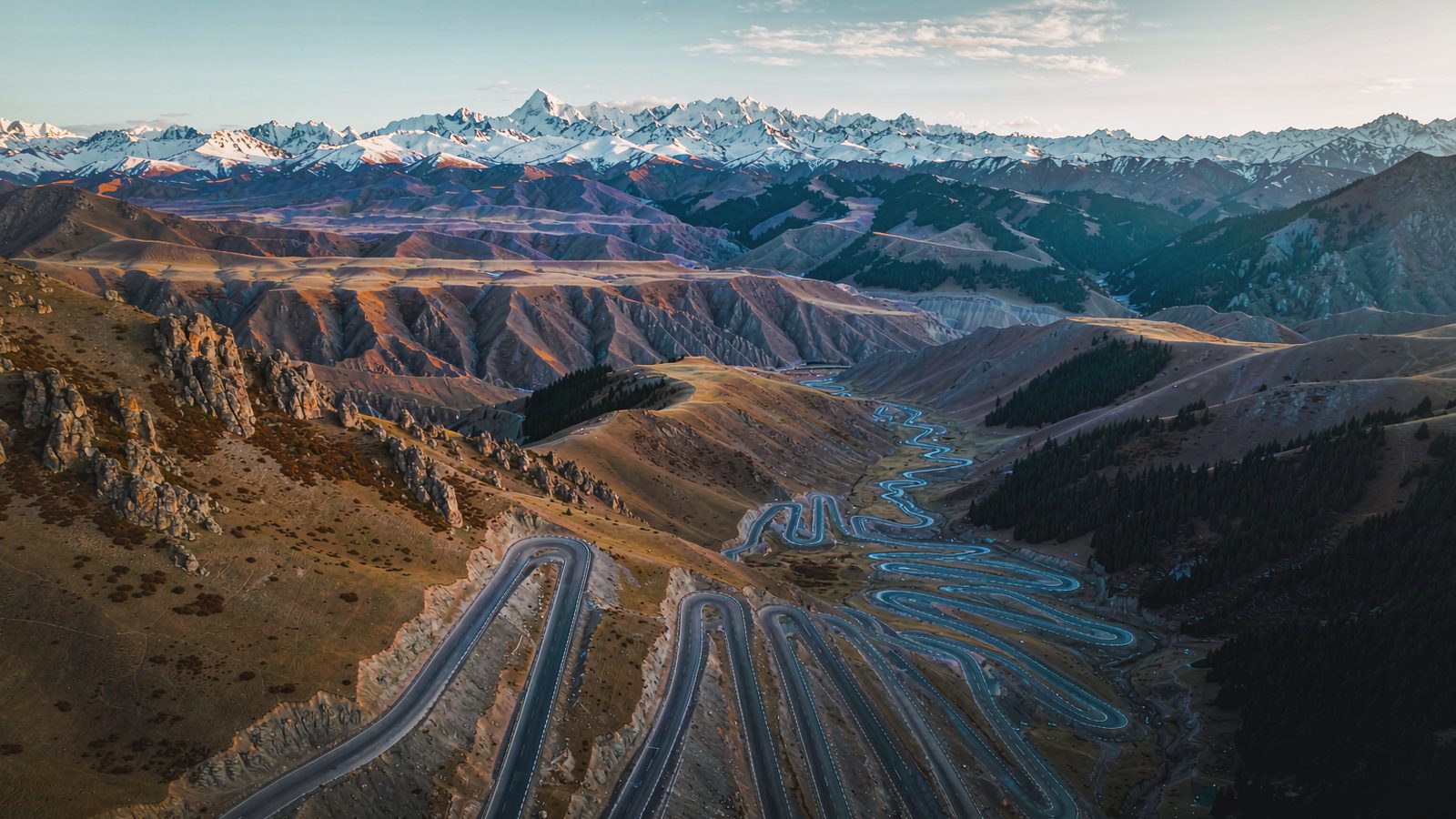
Chengdu to Lhasa is 2,140 km. Eight days is the limit, ten is the norm, fourteen lets you actually see it. What changed in 2026, and why foreign passports cannot self-drive into Tibet.
The G318 is often called China's most scenic road, but anyone who has actually driven it knows it is an engineering corridor first and a viewpoint second. It climbs from the 500-metre Chengdu plain to the 5,130-metre Dongda Pass, then drops into the Lhasa valley at 3,658 metres. Along the way it crosses fourteen passes above 4,000 metres and cuts through the deep gorges of five major rivers.
So two questions come up more than any others: how many days does it take to reach Lhasa, and should you drive yourself or hire a driver. Neither has one right answer, but two things decide it for you - which passport you hold, and how many hours a day you are willing to sit in a car.
What follows is rebuilt around the actual road conditions, tunnel openings and ticket prices as of November 2026. One caveat up front: things on this road change month by month. Tunnels open, sections close for reconstruction, and landslide repairs appear with little notice. Always confirm against the current local transport authority bulletin before you depart.
1. The short answer: what 8, 10 and 14 days actually feel like
Spread 2,140 kilometres across your available days and the arithmetic is unforgiving.
| Days | Daily driving | What you actually see | Who it suits |
|---|---|---|---|
| 8 | 7-9 hours | The whole main line, with one or two hours at Ranwu Lake, Midui and Lulang | Very tight schedules, already acclimatised, two drivers rotating |
| 10 | 5-7 hours | Everything, plus half a day each at Ranwu and Midui, one night in Lulang | Almost everyone on a first G318 crossing |
| 12-14 | 4-6 hours | Adds two days for Yading, or Laigu Glacier and Basum Tso, plus two days in Lhasa | People treating this as their one trip to Tibet |
Eight days is a limit, not a recommendation. It means leaving at seven every morning, reaching the hotel before dark, eating lunch by the roadside, and losing the whole evening if you spend an extra twenty minutes at one pass. Night driving here is not merely tiring. The long descent of the Seventy-Two Turns, the rockfall zones near Tangmai, and the black ice between Ranwu and Bomi all demand caution in broad daylight. You will arrive in eight days, but you will remember the steering wheel rather than the scenery.
Ten days is the norm because it gives your body room to adapt. You are climbing from 500 metres to 3,658 metres, passing Zheduo Pass at 4,298, Litang at 4,014 and Dongda at 5,130. Gain altitude too fast and the symptoms arrive hard. Ten days keeps each night's sleeping altitude within a sensible range, and leaves half a day at places like Ranwu Lake and Midui Glacier where the light has to be waited for.
Twelve to fourteen days is when it becomes a journey. The extra days usually go one of two ways: south from Litang to Yading, which adds two days return, or a detour at Ranwu into Laigu Glacier, or an extra night in Nyingchi to wait for Namcha Barwa to appear. That 7,782-metre peak spends most of the year wrapped in cloud and shows itself briefly at dawn and dusk. People who are rushing never see it.
2. What changed by 2026: four tunnels have rewritten the timetable
If your guidebook was written five years ago, its description of this road is already out of date. A handful of projects, finished and ongoing, have been steadily deleting the word "perilous" from the route notes.
Two are open, and they matter most.
- Jueba Mountain Tunnel, 6,995 metres, opened on 30 June 2024. The old road climbed 1,500 vertical metres over 29 kilometres of switchbacks from Rumei on the Lancang River, and was widely regarded as the worst accident blackspot on the whole route - over an hour even in a four-wheel drive. The tunnel takes ten minutes. The old road is still there, but almost nobody uses it.
- Ranwu Tunnel, 4,130 metres at an average altitude of 4,200 metres, opened to traffic on 27 September 2025. It replaces the notorious gallery section between Basu and Ranwu, which was plagued by rockfall, black ice and queues. Driving time between the two towns dropped from two hours to one.
Two are still under construction, and they decide what you still have to endure in 2026.
- Zheduo Mountain Tunnel, 8.415 kilometres, began in 2018 and was about eighty per cent excavated by late 2026. It is scheduled for completion at the end of 2027. Which means that in 2026 you still drive over the 4,298-metre Zheduo Pass - the first high pass on the route from the Sichuan side, and the section most often closed by snow and ice. Once the tunnel opens, Kangding to Xinduqiao drops from two hours to one, and the old pass is retained as a scenic detour.
- The new line around the Nujiang Seventy-Two Turns: the Tiantuo to Genyao section, 42.5 kilometres, with 29 bridges and 12 tunnels totalling almost 21.7 kilometres, at a cost of 4.5 billion yuan - over 100 million yuan per kilometre. The official completion date is April 2028. After that, Bangda to Basu no longer requires those hundred-odd hairpins, and the Seventy-Two Turns becomes purely a viewpoint.
The conclusion has two layers. The danger is decreasing; the altitude is not. Tunnels remove rockfall, black ice and cliff-edge passing. They do not remove 4,298 or 5,130 metres. Altitude sickness does not care which tunnel you took.
The second layer: in 2026 the Seventy-Two Turns is still mandatory, and it still jams. On the night of 14 May 2026 a heavy truck broke down on the hairpins, blocking both directions and closing the road; local traffic police worked through the night to clear it. There is no alternative route - one broken vehicle means tens of kilometres of queue. In the same way, from 12 June to 30 September 2026 the section between Dongda Pass and Tiantuo village was under concentrated reconstruction, with half-width alternating traffic from 07:00 to 20:30 and releases roughly every forty minutes at peak. These notices change every year. Checking the local transport bulletin before departure is worth more than memorising ten blog posts.
3. Self-drive or hired car: three passport categories, three different answers
This cannot be answered in general terms, because the answer depends on the document in your pocket.
| Traveller | Can you self-drive into Tibet? | Required paperwork |
|---|---|---|
| Mainland Chinese residents | Yes | ID card, driving licence, vehicle registration; electronic border permit for border counties |
| Hong Kong, China and Macao, China residents | Yes | Home Return Permit; no Tibet entry permit required |
| Foreign passport holders | No | Tibet Travel Permit, licensed guide throughout, registered tourism vehicle |
| Taiwan, China residents | No | Taiwan Compatriot Permit, Tibet Travel Permit, accompanying guide |
The foreign passport and Taiwan, China rows are where trips go wrong. A great many "self-drive the G318" posts online are written for mainland residents, and copying them will stop you dead at the Jinsha River bridge. The rule is unambiguous: foreign visitors must travel as an organised group arranged through a licensed Tibet-based agency, which applies for the Tibet Travel Permit on their behalf; a licensed guide accompanies them throughout; and the vehicle must carry a tourism operating licence. You cannot apply for the permit yourself, and you cannot rent a car in Chengdu and drive in.
How the permit works, and how long it takes. The Tibet Travel Permit is issued by the regional tourism authority and can only be submitted through a qualified Tibet agency - individual applications are not accepted. You supply a scan of your passport photo page, a scan of your Chinese visa (passport only for visa-exempt nationals), a detailed itinerary, your entry and exit cities, the number of travellers and your mode of transport. Standard processing is ten to fourteen working days, longer in peak season or if documents need supplementing, so the industry norm is to submit at least twenty to thirty days ahead. One point is widely misunderstood: visa-free entry does not mean permit-free. Travellers from visa-exempt countries such as Malaysia or Singapore still need the Tibet permit.
There is also a hard constraint: the route and destinations on the permit must broadly match your actual itinerary. Police checkpoints along the road verify passport, visa and the original permit. Stray outside the approved area and you may be sent back the way you came, or fined. This is precisely why "decide as you go" does not work for foreign visitors - the route has to be fixed before departure.
For mainland residents, is self-driving worth it? Yes, provided three conditions hold. The vehicle must be adequate - a sedan with less than fifteen centimetres of ground clearance will scrape on the reconstruction sections between Batang and Zuogong. There must be at least two drivers, because a single driver doing ten consecutive days of plateau mountain roads loses reaction speed faster than they expect. And there must be enough time: below eight days, self-driving is not advisable, because you have no slack for a single closure.
4. The ten-day skeleton: how far each day, and where to sleep
The table below is the standard ten-day pattern and the baseline we use when building itineraries. Its logic is slow altitude gain, with the hardest driving placed in the morning when concentration is highest.
| Day | Section | Distance | Sleeping altitude | Key points |
|---|---|---|---|---|
| 1 | Chengdu - Ya'an - Luding - Kangding | approx. 280 km | 2,560 m | Ya'an-Kangding expressway, Luding chain bridge; no shower, no alcohol |
| 2 | Kangding - Zheduo Pass - Xinduqiao - Yajiang | approx. 180 km | 2,530 m | Brief stop at 4,298 m; do not overnight at Xinduqiao |
| 3 | Yajiang - Litang - Batang | approx. 380 km | 2,580 m | Eighteen Bends, Kazila Pass, Maoya grassland, Sister Lakes |
| 4 | Batang - Jinsha bridge - Markam - Zuogong | approx. 260 km | 3,750 m | Enter Tibet; Lawu Pass 4,338 m; Jueba tunnel |
| 5 | Zuogong - Bangda - Seventy-Two Turns - Basu | approx. 200 km | 3,260 m | Dongda Pass 5,130 m; low gear on the hairpins, avoid constant braking |
| 6 | Basu - Ranwu | approx. 90 km | 3,850 m | Ranwu tunnel; wait for slanting afternoon light at the lake |
| 7 | Ranwu - Midui Glacier - Bomi | approx. 130 km | 2,725 m | Walk up to the Midui viewpoint; recover in Bomi |
| 8 | Bomi - Tangmai - Lulang - Nyingchi | approx. 230 km | 2,980 m | Tangmai bridge; Serkyim Pass 4,728 m for Namcha Barwa |
| 9 | Nyingchi - Gongbo'gyamda - Lhasa | approx. 400 km | 3,658 m | Nyingchi-Lhasa expressway is toll-free; Milha tunnel |
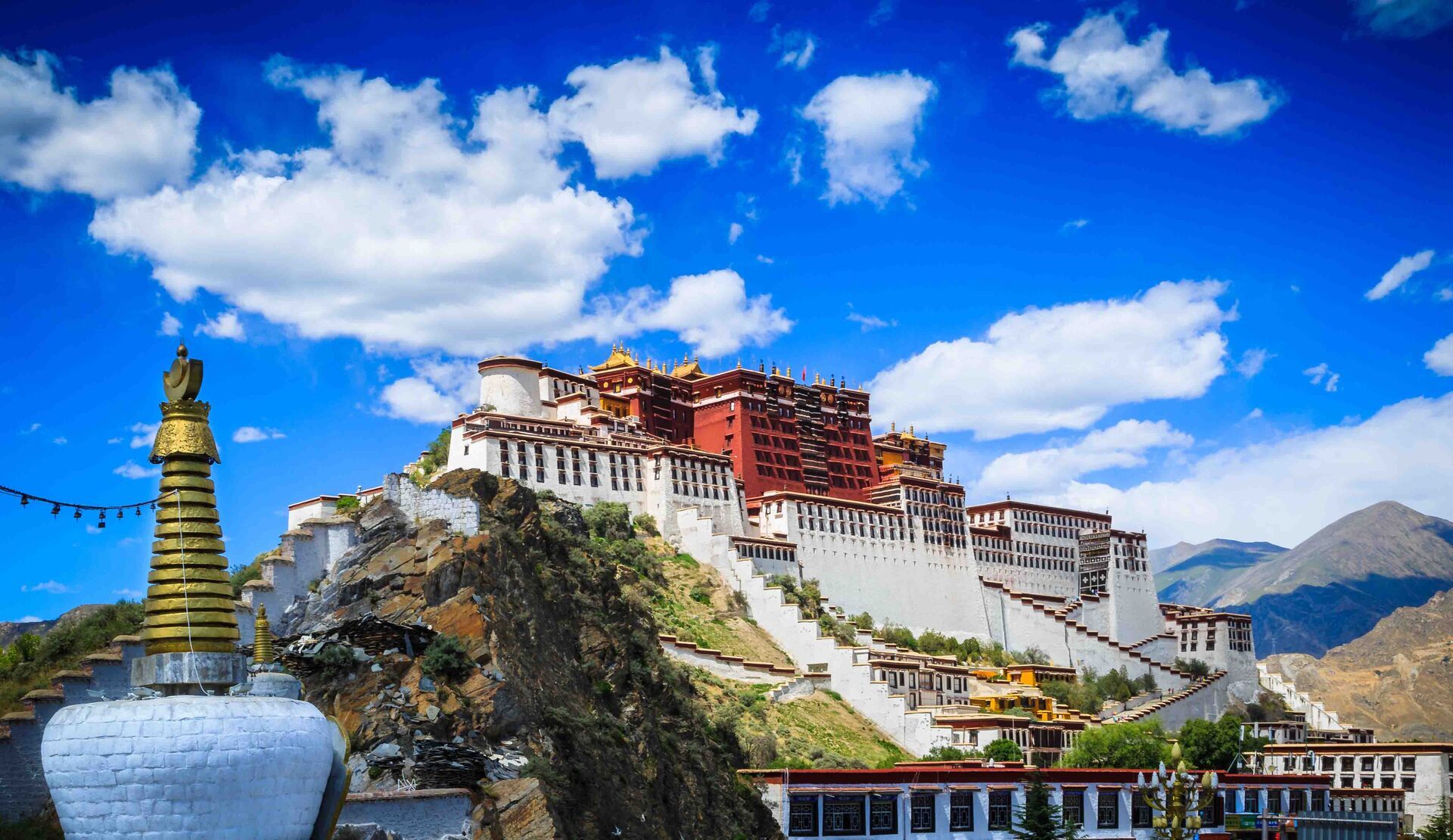
| 10 | Lhasa | - | 3,658 m | Potala Palace, Jokhang, Barkhor |
Two choices in that table deserve explanation.
Why not sleep at Xinduqiao or Litang. Xinduqiao sits at 3,300 metres and Litang at 4,014 - both are wonderful for photographs and miserable for sleeping. First-timers who overnight there usually wake with a headache, insomnia and no appetite, and spend the rest of the trip running on empty. The professional habit is to eat and photograph in Litang, leave within two hours, and sleep lower, in Batang at 2,580 metres.
Why day five covers only 200 kilometres. Because Dongda at 5,130 metres is the highest point of the entire route, and the Seventy-Two Turns are the descent that demands the most attention. That descent runs for tens of kilometres. The correct technique is a low gear and engine braking, not riding the brake pedal - sustained braking overheats the pads, fades the brakes, and is the classic accident cause on this road. Do not add distance to that day.
5. Altitude rhythm: where you sleep matters more than what you take
There is a great deal of noise online about altitude sickness. Strip it back and only a few things are actionable.
- Keep each night's sleeping altitude within about 500 metres of the last. This is the single most effective measure, better than any supplement. The table above is built on that principle.
- No shower, no alcohol and no strenuous activity for the first two days. Hot showers dilate blood vessels and swing body temperature, a common trigger; alcohol suppresses breathing and worsens oxygen shortage.
- Start rhodiola a week ahead, but do not rely on it. The evidence is limited. It does no harm; it does not replace gradual ascent.
- Carry ibuprofen, glucose and two cans of portable oxygen. Ibuprofen works on altitude headache, glucose restores energy quickly, and the oxygen is for emergencies rather than routine use.
- Persistent vomiting, confusion, or breathlessness at rest means descend immediately. These signal high-altitude pulmonary or cerebral oedema. Oxygen buys time; the only effective treatment is losing altitude.
One more point that is regularly ignored: a large lung capacity does not protect you. Fit people tend to push harder on climbs and run short of oxygen sooner. Pacing beats fitness.
6. Where the money goes: a 2026 cost breakdown
The cost structure is simple - vehicle, accommodation, tickets, food - and almost all the variance sits in the vehicle line.
| Item | Self-drive (mainland residents) | Hired car with driver |
|---|---|---|
| Vehicle | SUV rental approx. 300-800 yuan per day | 7-seat MPV approx. 1,200-1,800 per day; 4WD approx. 1,500-2,200 |
| Fuel | approx. 1,700 yuan for 2,140 km | Included |
| Tolls | approx. 200 yuan; Nyingchi-Lhasa is toll-free | Included |
| Accommodation | 200-500 yuan per night | Same, not included in the vehicle rate |
| Driver's food and lodging | - | Usually covered by the client, approx. 150-200 per day |
Tickets are the other block, and they are routinely underestimated. The mainstream 2026 prices run roughly like this: Yading 150 yuan plus 120 for the shuttle, which is compulsory; Midui Glacier about 50 plus 30 for the shuttle; Laigu Glacier 150 plus 60; Basum Tso 120 plus 50; Yarlung Tsangpo Grand Canyon 150 plus 90; Potala Palace 200 for Route 1 or 100 for Route 2 in high season, 100 in low season; Jokhang 85; Ranwu Lake itself is free.
Covering the main line and entering only the essential sites puts tickets and shuttles at around one thousand yuan per person. Add Yading and Laigu and it passes fifteen hundred.
For foreign passport holders the total is markedly higher, and the reason is not the car but the supporting cast. A licensed foreign-language guide, hotels with foreign-guest registration, the permit application and a tourism-licensed vehicle are all hard costs. In 2026, eight to eleven day G318 programmes for foreign visitors generally start at thirteen to fifteen thousand yuan per person, rising with Lhasa extensions and single supplements. That is not unreasonable - what you are buying is not being turned back at a checkpoint.
7. Seasons: when to go so you do not regret it
May to June and September to October are the two best windows. Stable weather, good visibility, few landslides. In May and June there is still snow on the passes and the grasslands are just turning green; September and October are the clearest months of the year, with the best odds of seeing Namcha Barwa.
July and August are the rainy season and the two months with the most incidents. Tangmai, Pailong and Haitong Gorge are landslide-prone, the Seventy-Two Turns shed rock, and wet surfaces amplify every driving error. The compensations are the highest oxygen levels and the most comfortable temperatures, which suits people who feel the cold or worry about altitude. Just build at least one spare day into the schedule.
November to March, the main hazard is black ice. Zheduo, Dongda and Yela passes hold snow and ice, and sections are subject to temporary closure. Four-wheel drive and chains are the minimum in this season, and it is not a route for inexperienced drivers.
April is peach blossom season in Nyingchi. Wild peach trees flower around Bomi and Suosong village, but the passes can still see snow. The month's defining feature is spring at low altitude and winter at high altitude, so pack for two seasons.
8. Checkpoints and paperwork: the five things that derail trips
Police checkpoints are dense along this road - at the Jinsha River bridge, Markam, Zuogong, Bangda, Basu, Ranwu, Bomi and Nyingchi. Here are the five points that most often cause trouble.
- Itinerary on the permit does not match reality. The most common issue for foreign visitors. Deciding on the spot to add an unreported county can get you stopped. If you need to change, tell the receiving agency in advance and let them process the amendment.
- Confusing the border permit with the Tibet permit. The main G318 line from Chengdu to Lhasa needs no border permit. Destinations such as Medog, Everest Base Camp, Ngari or Zayu do. Since 15 April 2026 China has used a nationwide electronic border permit: mainland residents apply through the NIA 12367 app, free, valid for up to three months; Hong Kong, Macao and Taiwan, China residents, overseas Chinese and foreign nationals must apply in person at a county-level or above public security exit-entry office.
- Booking a hotel without foreign-guest registration. Foreign visitors in Tibet must stay at hotels licensed to receive them. Confirm this when booking online, or you may be turned away at the desk at midnight.
- Staying in the car at checkpoints. Foreign travellers must get out and register, presenting passport, visa and the original permit. Photocopies and phone photos are generally not accepted.
- Carrying too little cash. Some petrol stations between Zuogong and Basu take cash only. Bring a thousand yuan; you will not regret it.
9. If you hand the trip to us
Jadetour builds custom G318 itineraries: the number of days, the sleeping altitudes and the daily stops are set around your holiday length, the ages and fitness of your group. The Tibet section is handled by a locally licensed reception agency, which also applies for the Tibet Travel Permit on your behalf. We do not issue permits and we do not promise any visa outcome.
There are also things we do not do, and saying so saves time: we do not rent self-drive vehicles (foreign visitors are not permitted to self-drive into Tibet in any case), we do not run cut-price seat-in-coach groups, and we do not dress eight days up as "relaxed". Eight days is eight days, and you will spend the hours in the car that eight days requires.
If you are still working out how many days you need, the most useful first step is to fix your departure month and your group size - the route then becomes much easier to shape. Send us those two details and we will put together a first draft schedule with an altitude profile for you to look at.
Need help planning this trip?
Tell us your travel dates and group size — we reply within 24 hours.
WhatsApp +86 183 1705 8017 · WeChat 18317058017
Destinations in this guide
Related Tours
Essential 4-Day Lhasa Private Tour
5-10 Days
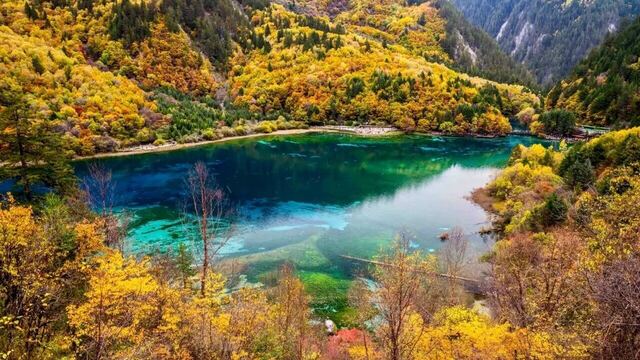
Sichuan & Chongqing 9 Days 8 Nights · Jiuzhaigou Grand Tour
5-10 Days
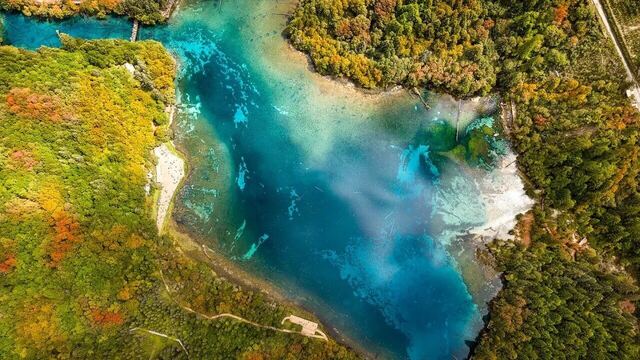
Mountains of Ba, Waters of Shu · Chengdu, Jiuzhaigou & Wulong 9 Days (Jiuzhaigou + Huanglong + Wulong Karst + Furong Cave + Wujiang Gallery + Mountain City Nights)
5-10 Days
More Guides
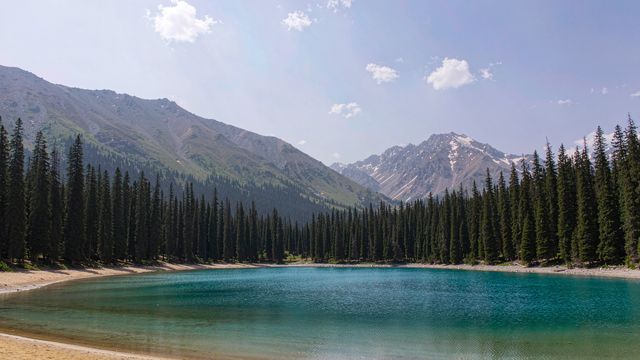
Mugecuo Lake, Kangding: Is Half a Day Enough at 3,780 m?
Tickets 105 + shuttle 90 in high season, 75 in winter, real-name booking, 16,000 daily cap. Stop order, half-day vs full-day plans, altitude advice and transport.
11/18/2026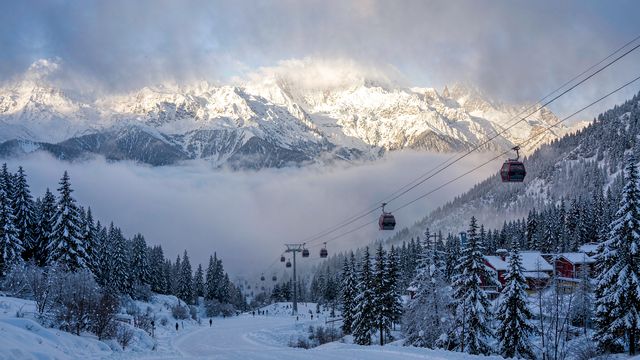
Xiling Snow Mountain: Cable Cars, Cloud Seas and Chengdu's Closest Ski Resort
110 km from Chengdu, from plain to 3,250 m in two hours. Ticket prices, ski season, three one-day routes, transport and where to stay.
11/18/2026
Baiheliang Underwater Museum: 40 Metres Below the Yangtze, a 1,200-Year Water Ledger (2026)
Tickets cost 50 yuan, booking opens 1-7 days ahead, and the museum closes on Mondays. What the 91-metre escalator, 23 windows and the river's flood season really mean for a visit.
11/17/2026