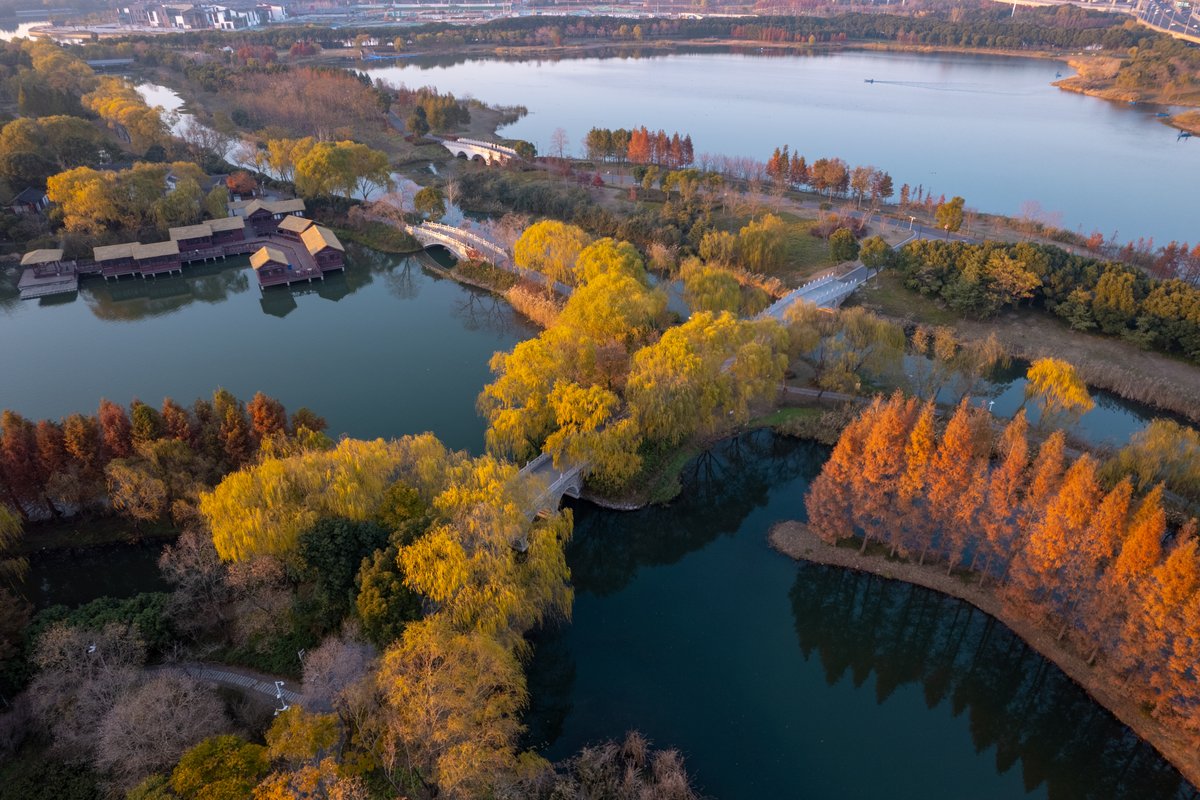
A journey from neon riverbanks towards the ink-wash landscapes of Jiangnan. Ten days at an unhurried pace is just enough to get to know the temperament of all three cities.
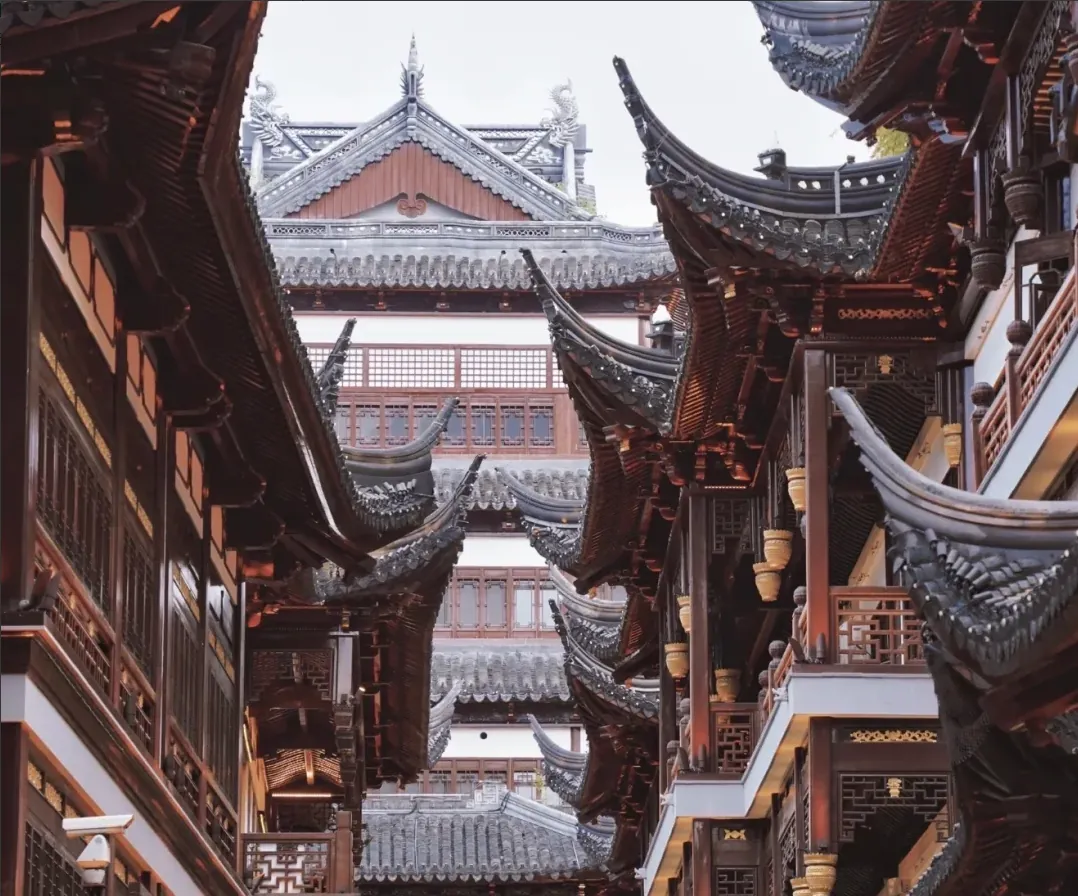
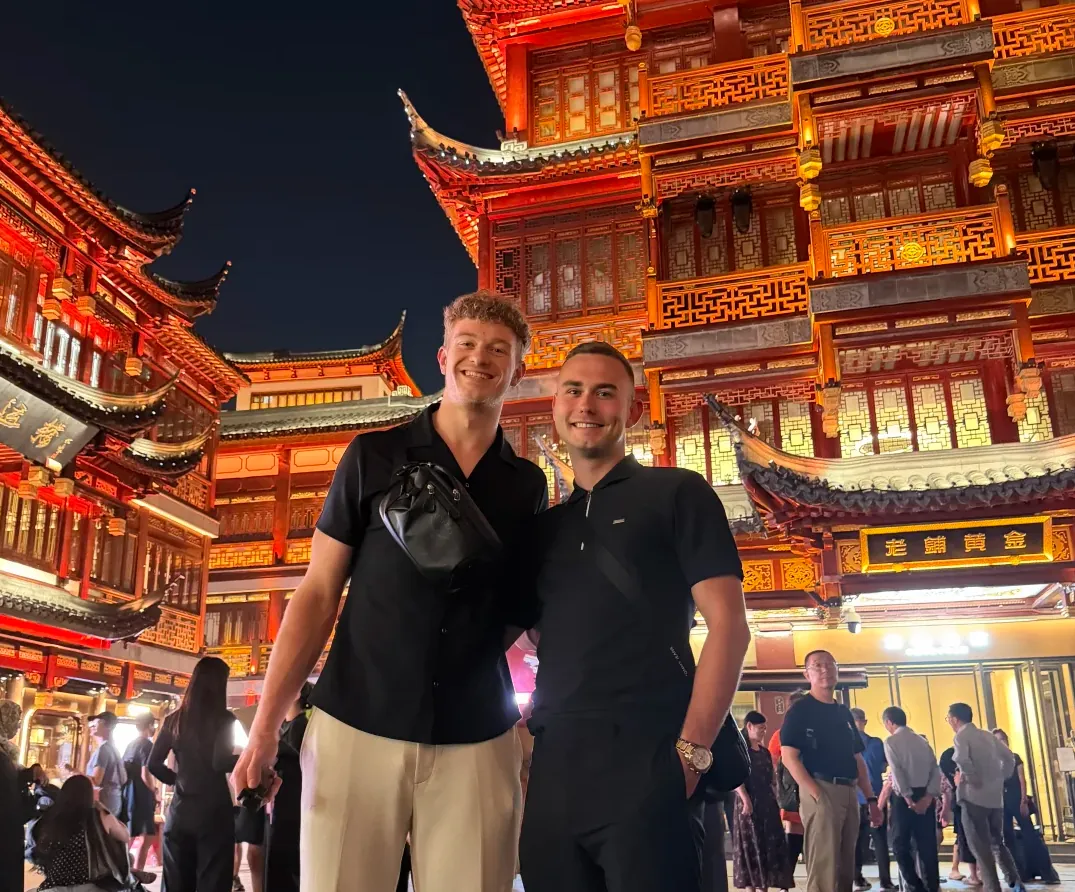
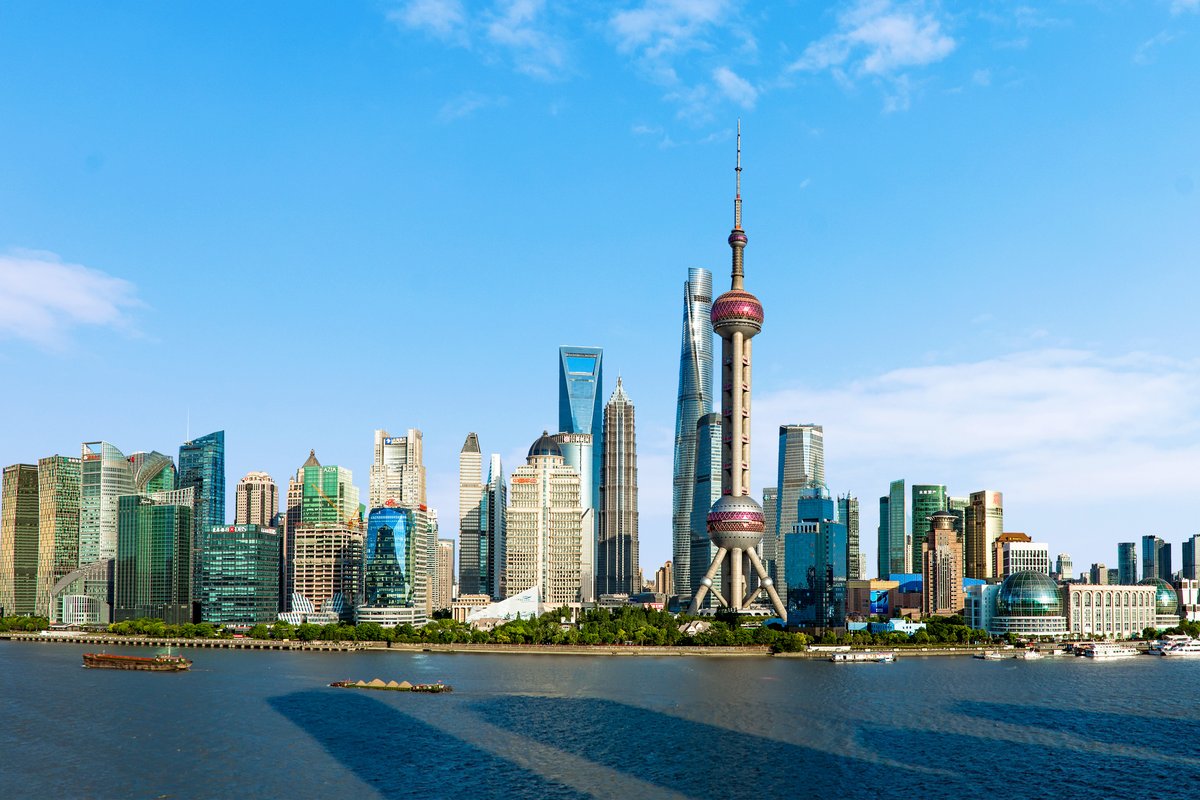
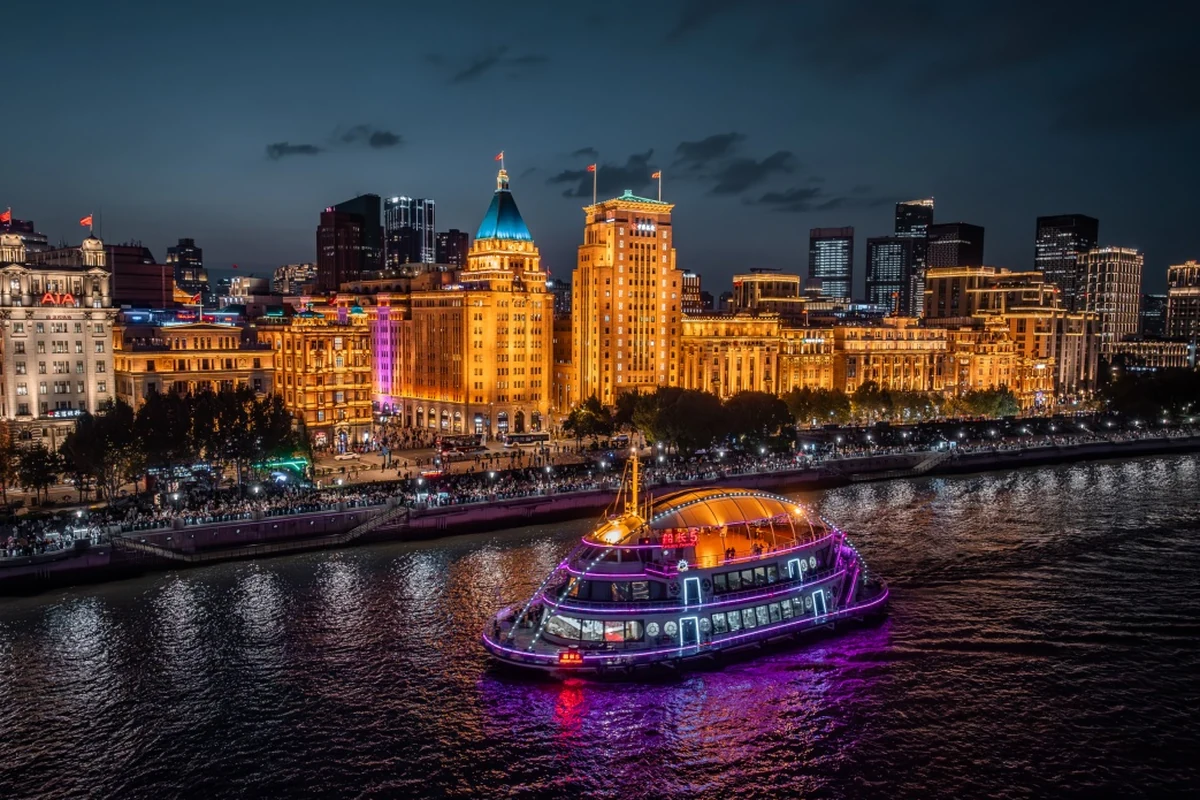
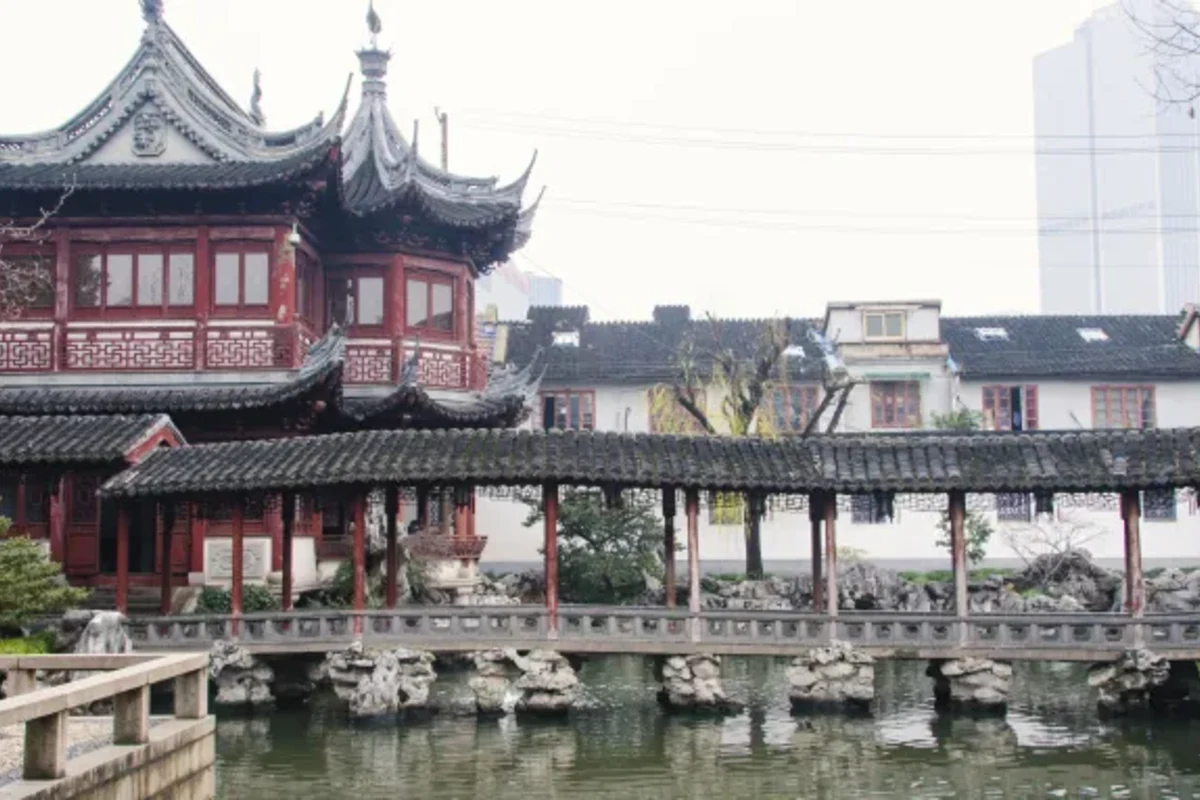
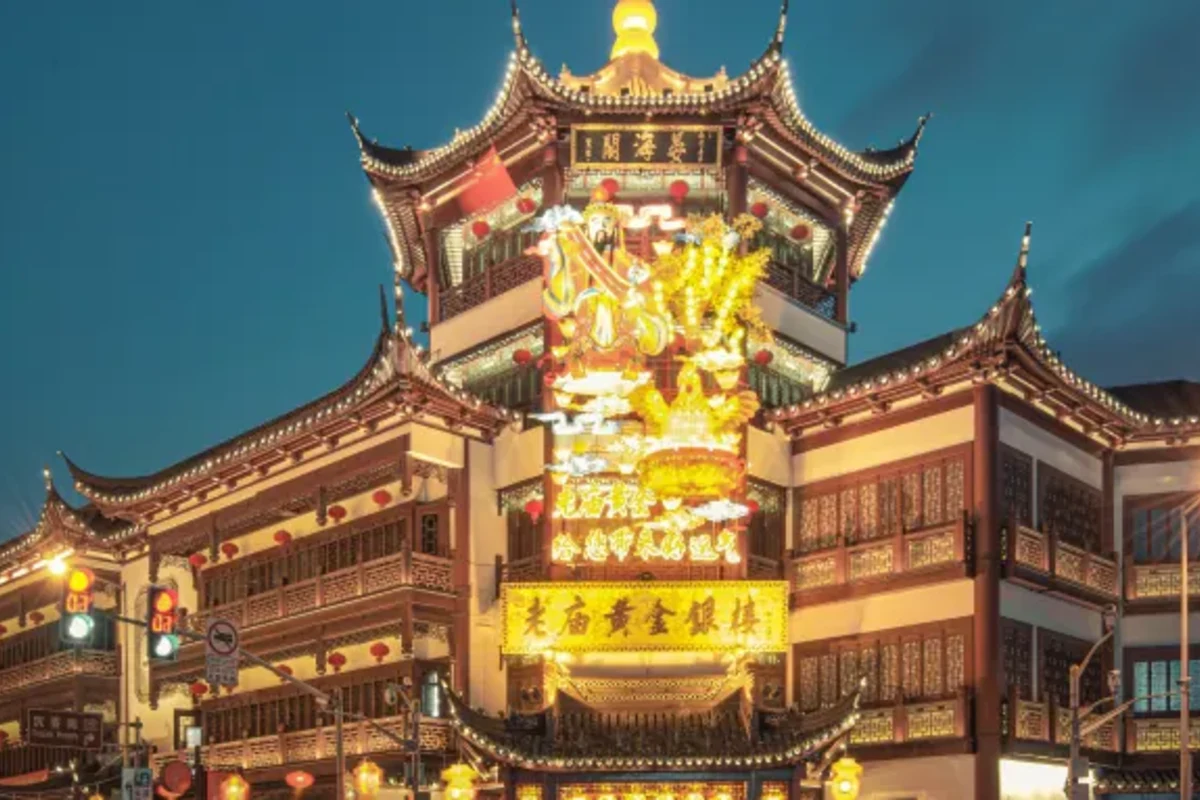
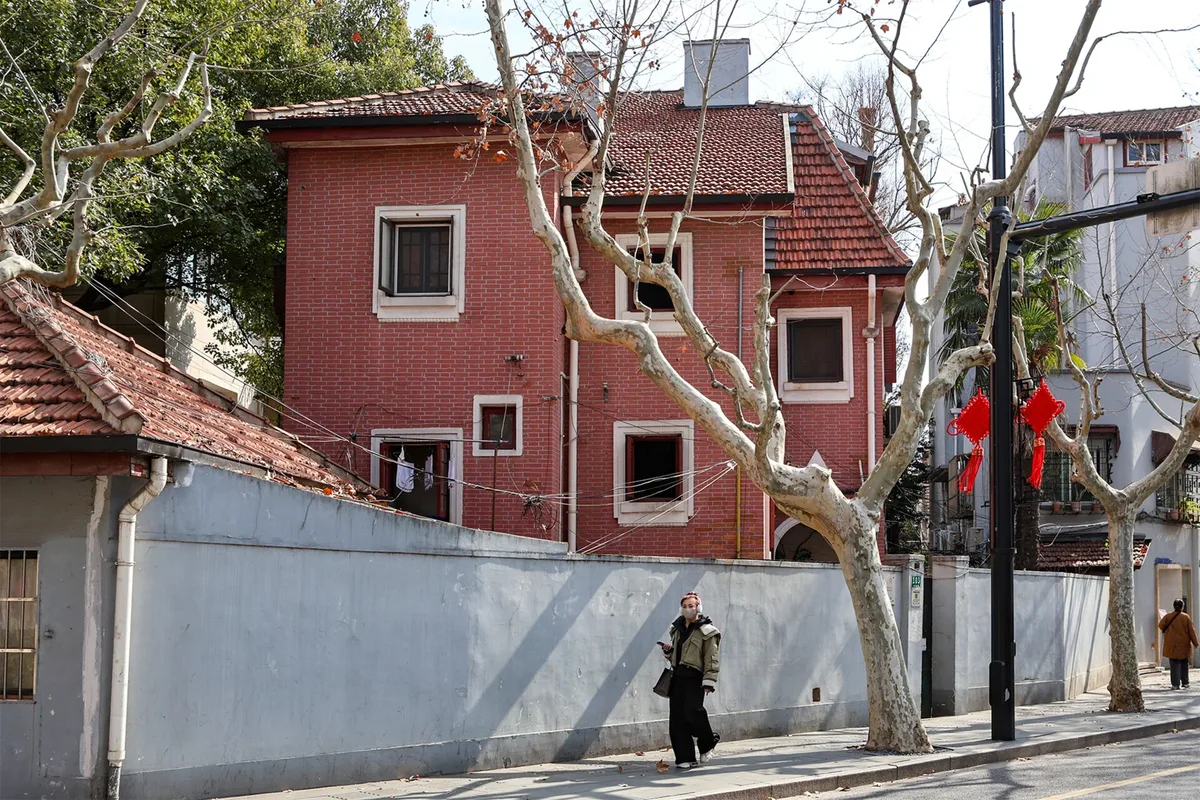
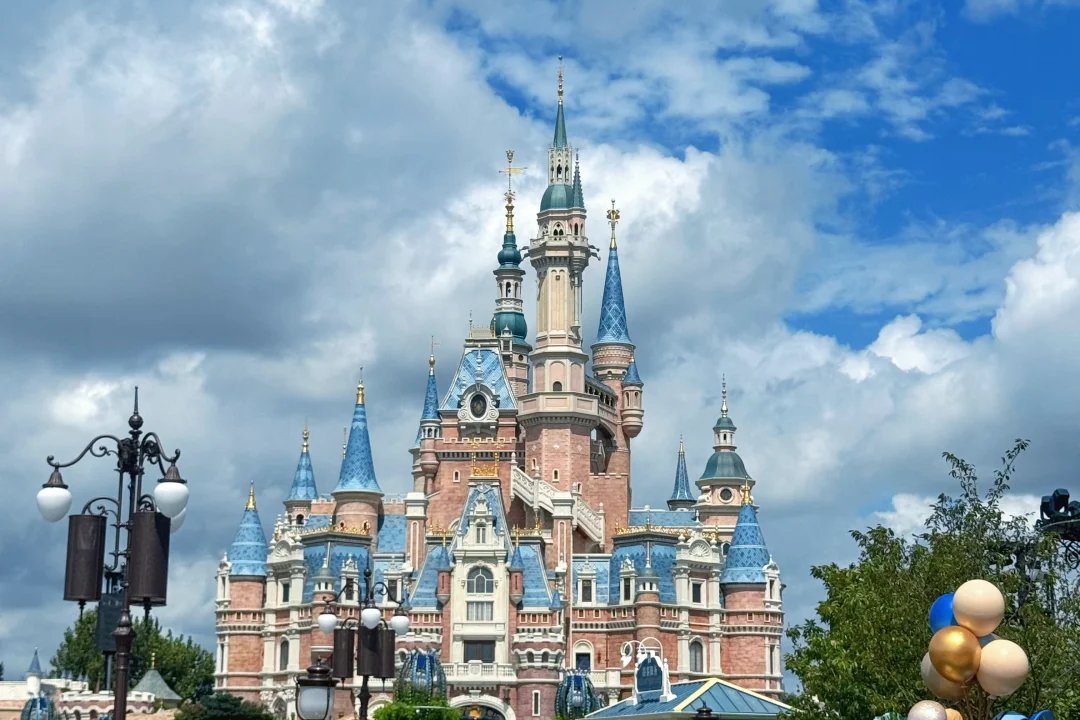
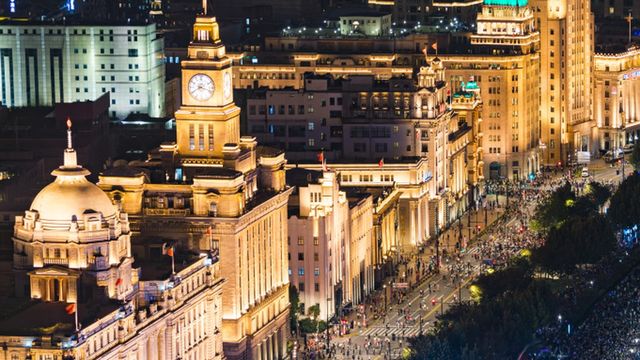
Shanghai is vivid. By day walk beneath the plane trees of Xuhui District where old villas and coffee shops sit side by side; in the evening take a Huangpu River cruise as the Bund's century-old buildings and Lujiazui's skyscrapers light up together on the water — the city's most classic moment. Yuyuan Garden and the City God Temple preserve the foundations of old Shanghai: the zigzag bridge, Nanxiang steamed dumplings, pear syrup candy, everyday life at every turn. Set aside a full day for Disneyland, where the fireworks make adults and children equally happy.
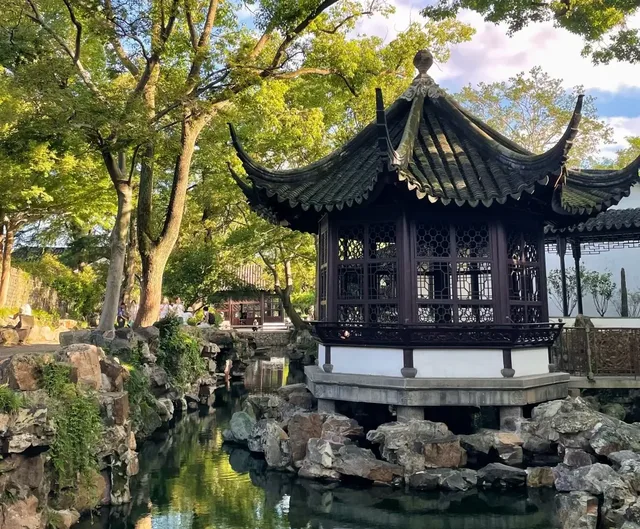
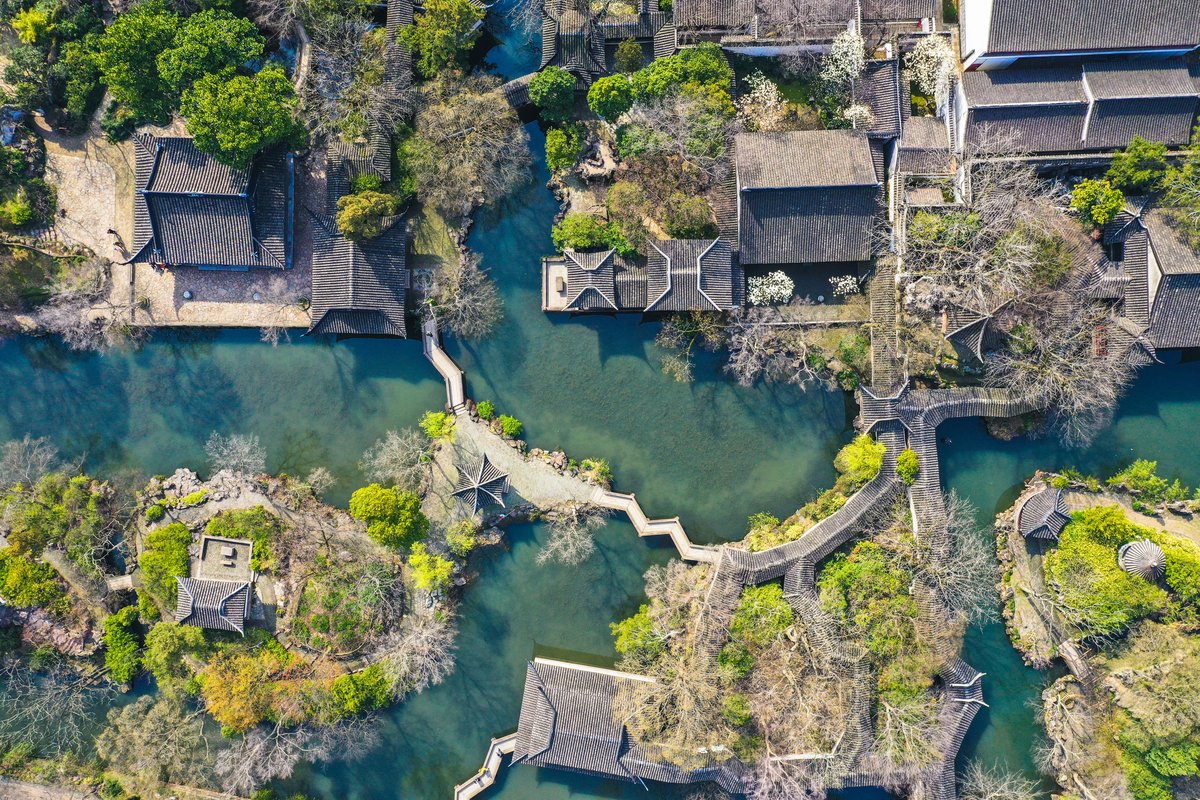
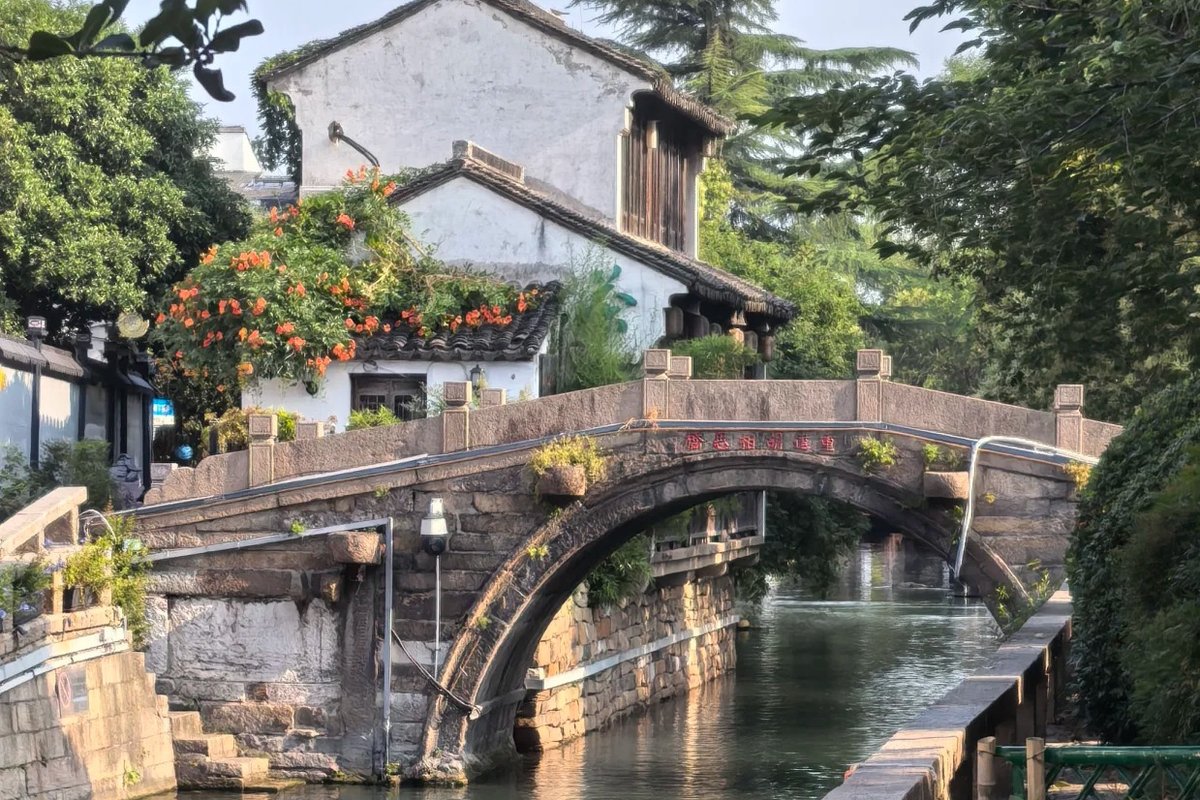
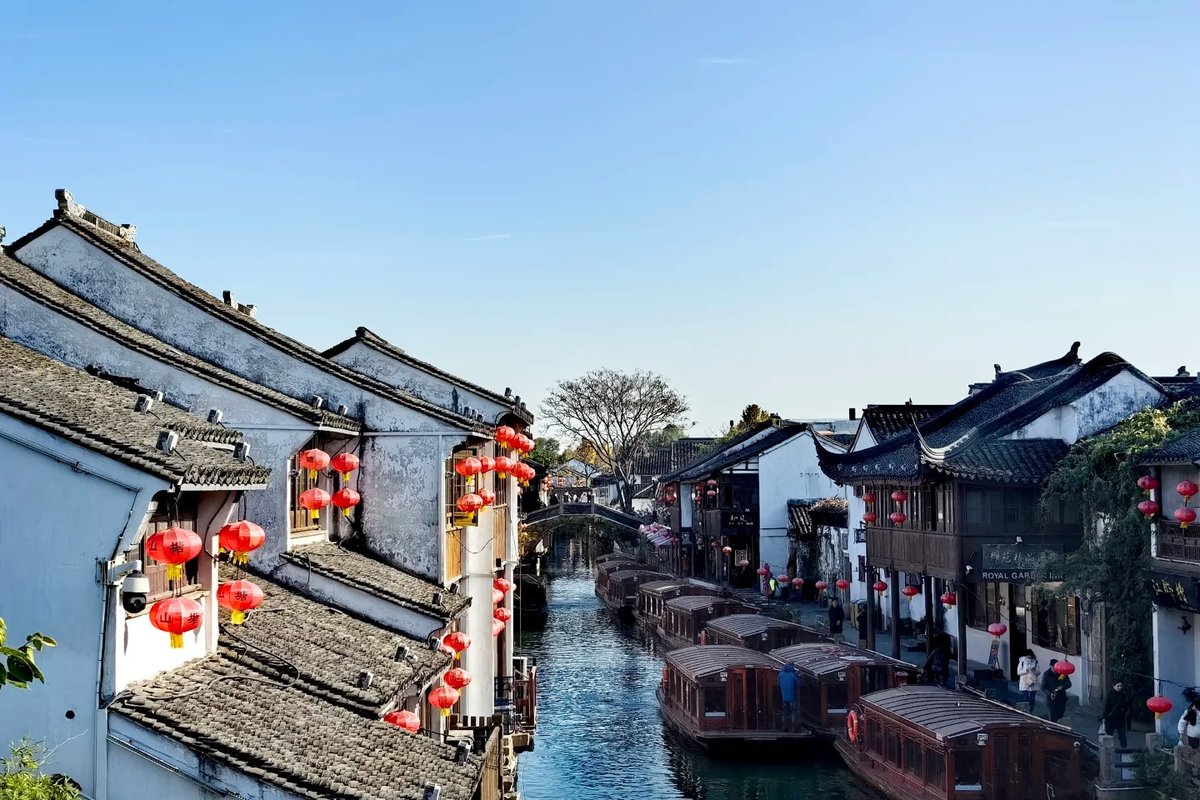
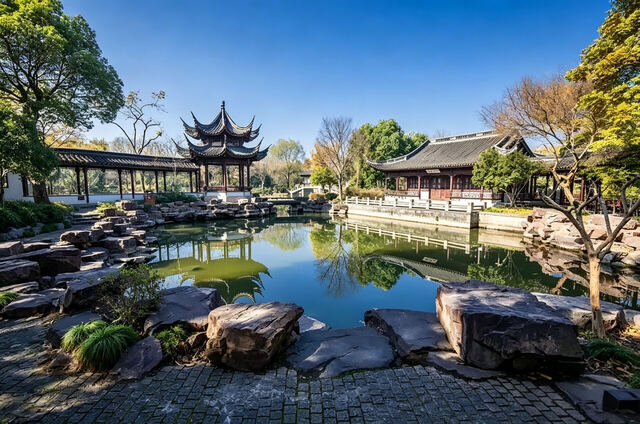
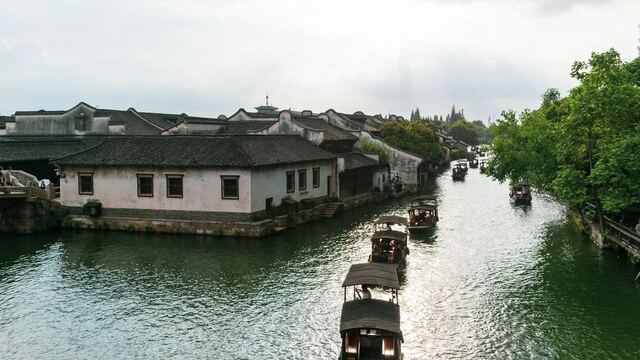
Suzhou is quiet. In the Humble Administrator's Garden a pond of lotus and a few pierced windows explain Jiangnan aesthetics plainly; the Suzhou Museum stands next to it, where I. M. Pei stitched tradition and modernity together with light, shadow and a stone-plate rockery. Pingjiang Road and Shantang Street are a living Gusu — take a rowing boat, listen to a stretch of pingtan, bite into an osmanthus cake, and time slows down. The leaning pagoda at Tiger Hill has stood for a thousand years, with endless stories hidden beneath the Sword Pool.
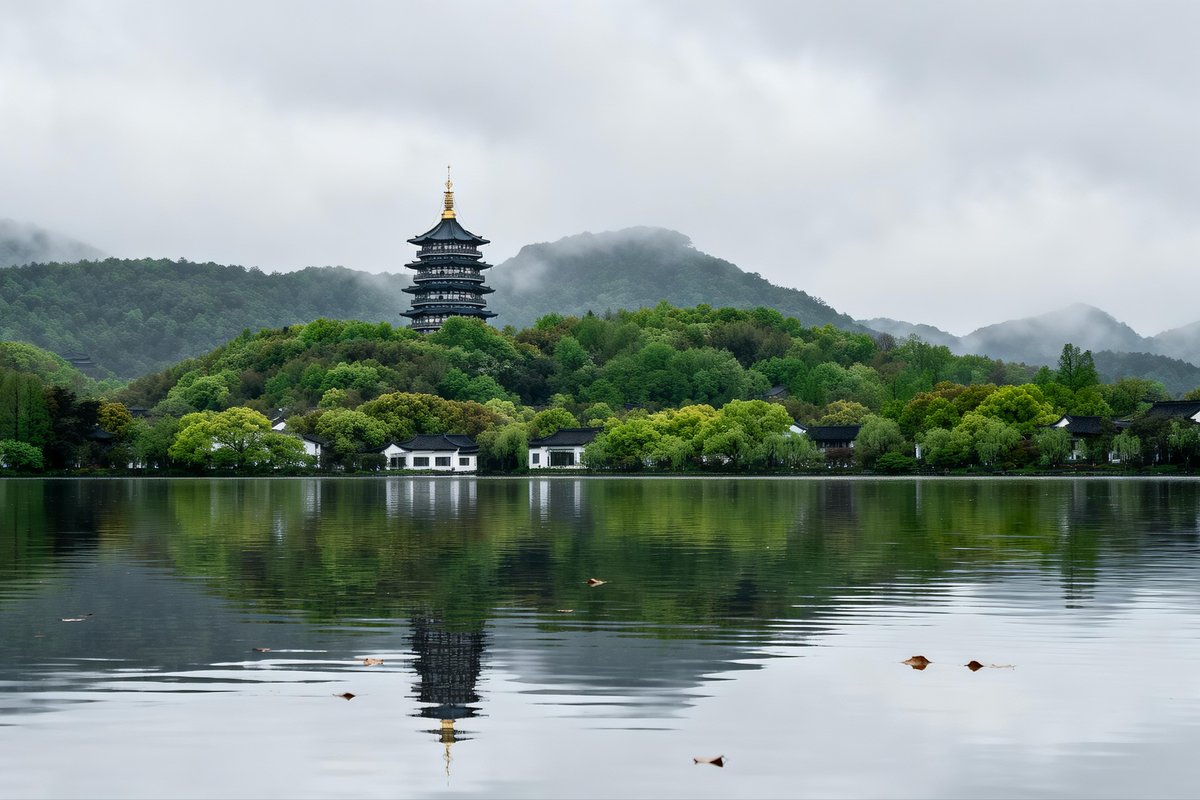
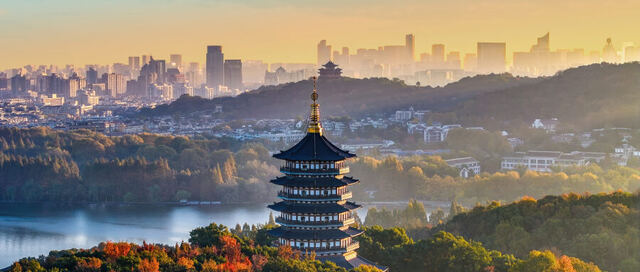
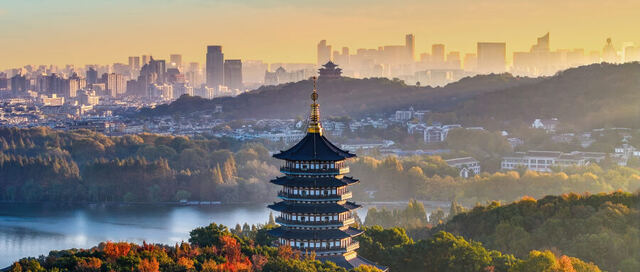
Hangzhou is soft. West Lake needs no deliberate sightseeing — walk around it and Broken Bridge, Su Causeway and Three Pools Mirroring the Moon appear on their own. The incense of Lingyin Temple sits beside the carvings of Feilai Peak, and stepping in, the mind quiets. The tea terraces of Longjing Village climb the hill in layers; find a tea farmer, sit down and drink a cup of freshly fired Longjing, and the taste of spring fills your mouth. Over a final meal of Hangzhou cuisine — West Lake vinegar fish, Longjing shrimp and Dongpo pork — Jiangnan has truly been travelled.
01
One temple, three city gods — a rare Daoist arrangement in China
Shanghai's City God Temple was first built in the Yongle era of the Ming dynasty (1403–1424), predating Yuyuan Garden by a little, and is more than six hundred years old. Its most distinctive feature is that it enshrines three city gods — Huo Guang, Qin Yubo and Chen Huacheng — forming the rare arrangement of one temple with three city gods, extremely unusual among city god temples nationally. Inside are twelve halls including the Hall of Wealth and the Hall of the Year Star, red walls and dark tiles, carved beams and painted rafters, incense curling upward while tourists take photographs and locals pray quietly; commercialisation does not obscure its true character as a Daoist temple. Admission is only ten yuan and it opens early at six in the morning on the first and fifteenth of the lunar month — the most direct place to feel Shanghai's traditional belief culture.
02
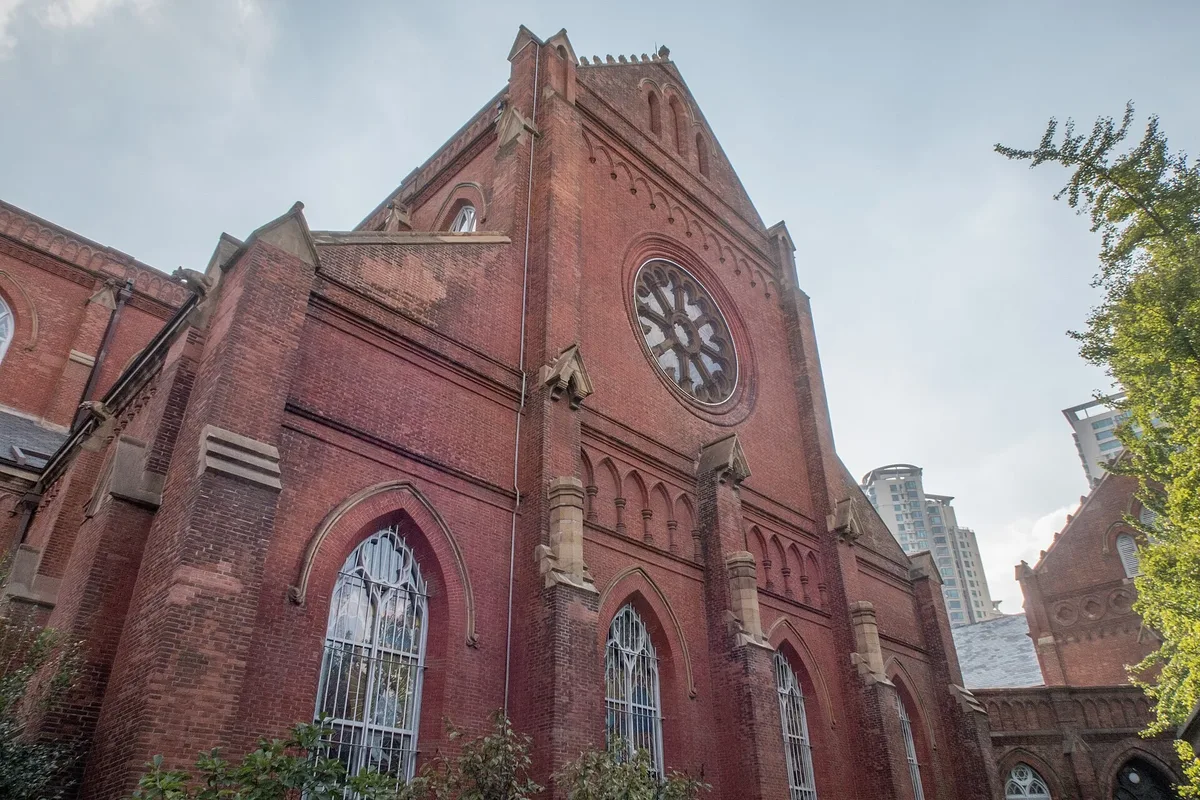
Xujiahui Cathedral — the greatest church of the Far East, core landmark of Xujiahui
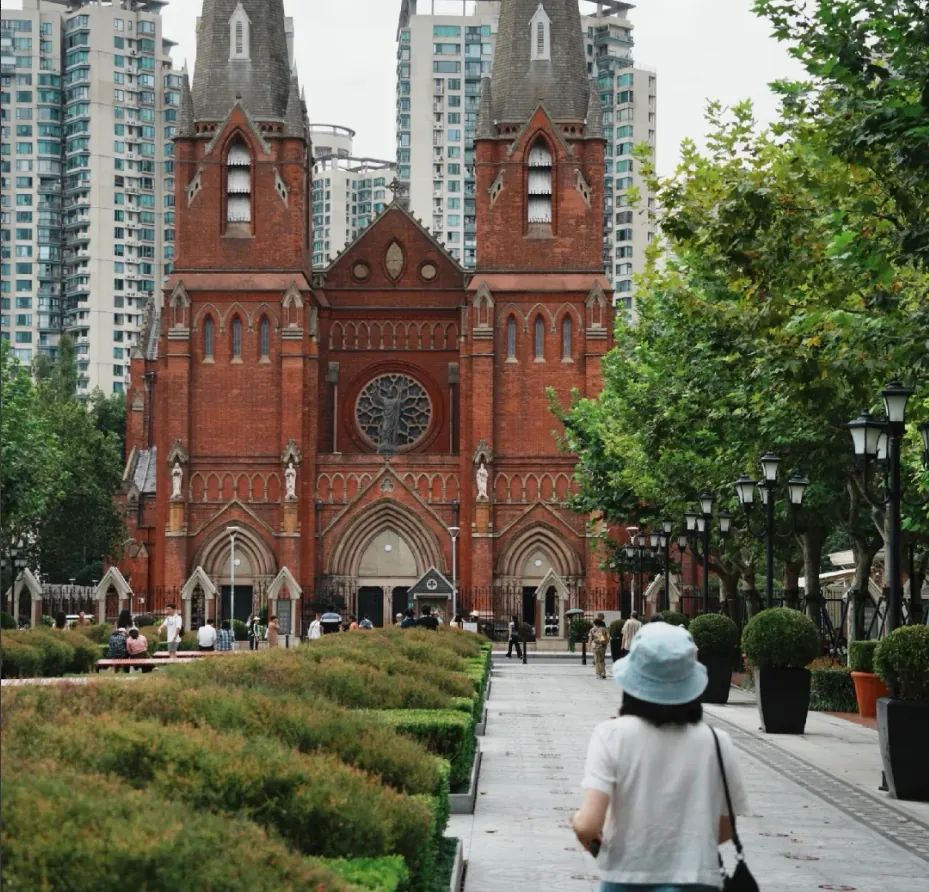
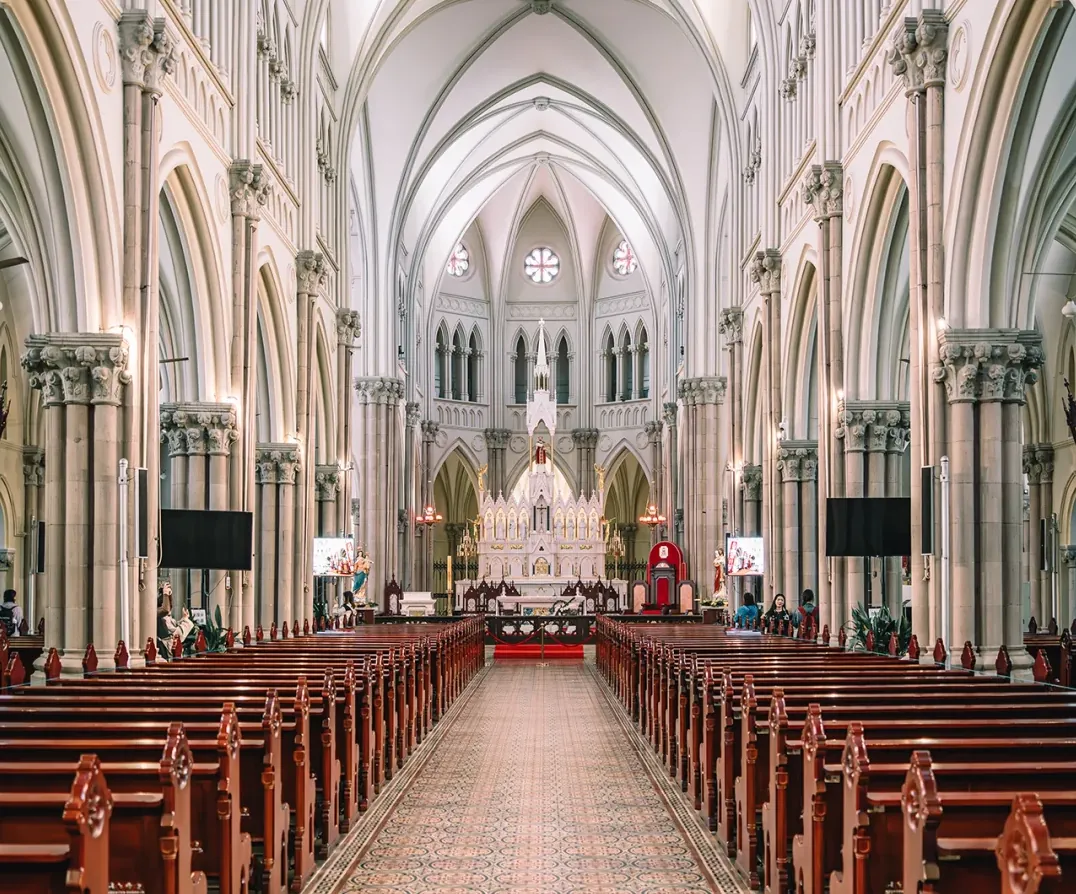
Completed in 1910, St Ignatius Cathedral (Xujiahui Cathedral) is a magnificent Gothic building known as the greatest church of the Far East and remains the core landmark of Xujiahui. Red Gothic twin towers reach into the sky while stained glass, domes and stone columns carry a strong European atmosphere; the interior is lavishly decorated with fine religious paintings and sculpture. It is open Tuesday to Saturday from 9:00 to 16:00, admission free, with modest dress required (no bare shoulders, no shorts). The lawn and green in front, opened to the public in recent years, links the cathedral naturally with the observatory, another historic protected building, and makes an excellent vantage point for photographs.
03
The world's only Zootopia — stepping inside the city of the film
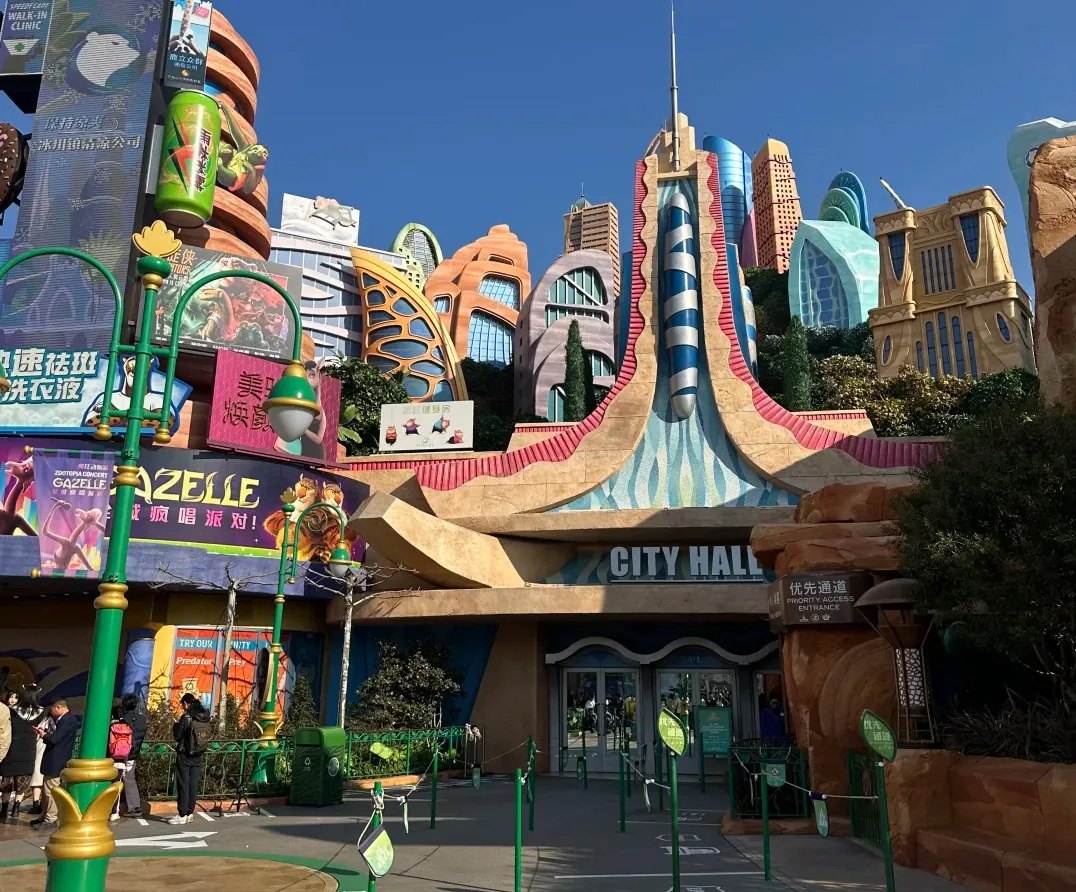
Zootopia is the first and only themed land of its kind at any Disney park worldwide, at Shanghai Disney. Since opening in late 2023 it has quickly become the park's most popular area. It recreates the film's cityscape one-to-one, with Sahara Square, Tundratown, the Rainforest District and downtown all present, down to street lamps, billboards and shop signs hiding film Easter eggs. The core ride, Hot Pursuit, seats visitors in a police car chasing villains alongside Judy and Nick through glacier, rainforest and city streets, the scene changes fast and smooth with a strong sense of immersion. At the exit you can photograph yourself with the sloth Flash, whose signature slow-motion smile keeps you laughing the whole way.
04
A recluse's garden, five hundred years of a Jiangnan dream
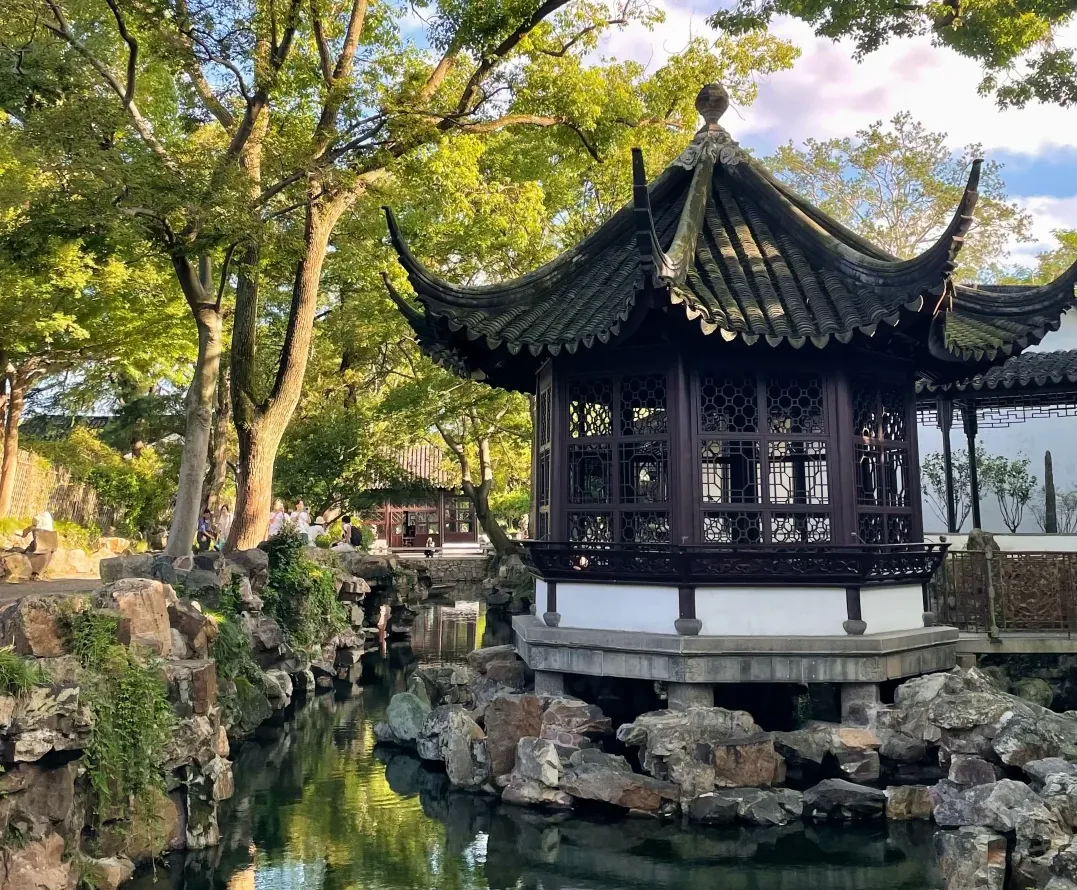
The Humble Administrator's Garden was first built in the fourth year of the Zhengde era of the Ming dynasty (1509) by Wang Xianchen, a presented scholar and censor. After his official career failed and he was dismissed and returned home, he bought the former residence of the Tang poet Lu Guimeng and the site of the Yuan-dynasty Dahong Temple, engaged Wen Zhengming, leader of the Wu School of painting, to help with the design, and took sixteen years to complete it. The name comes from a line in Pan Yue's Idle Living Rhapsody about watering the garden and selling vegetables for daily meals, which is also the business of a clumsy man — a wry self-description of a recluse turning vegetable gardening into his official duties. The garden later changed hands repeatedly, rising and falling several times; from 1860 to 1863 it belonged to the residence of the Taiping Heavenly Kingdom's Loyal King, and it opened to the public in its present form only after restoration in 1951. One garden is almost a condensed history of Suzhou's rise and fall.
05
Yunyan Temple Pagoda — China's Leaning Tower of Pisa, standing for a thousand years
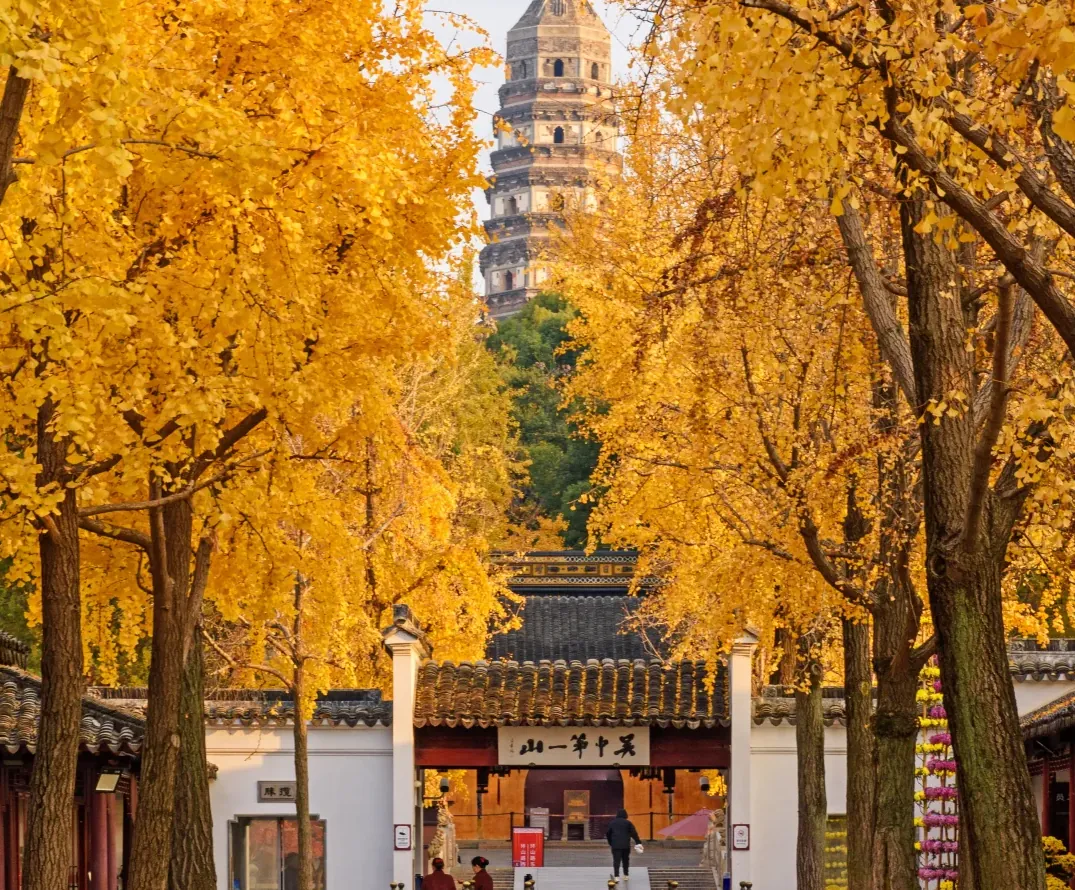
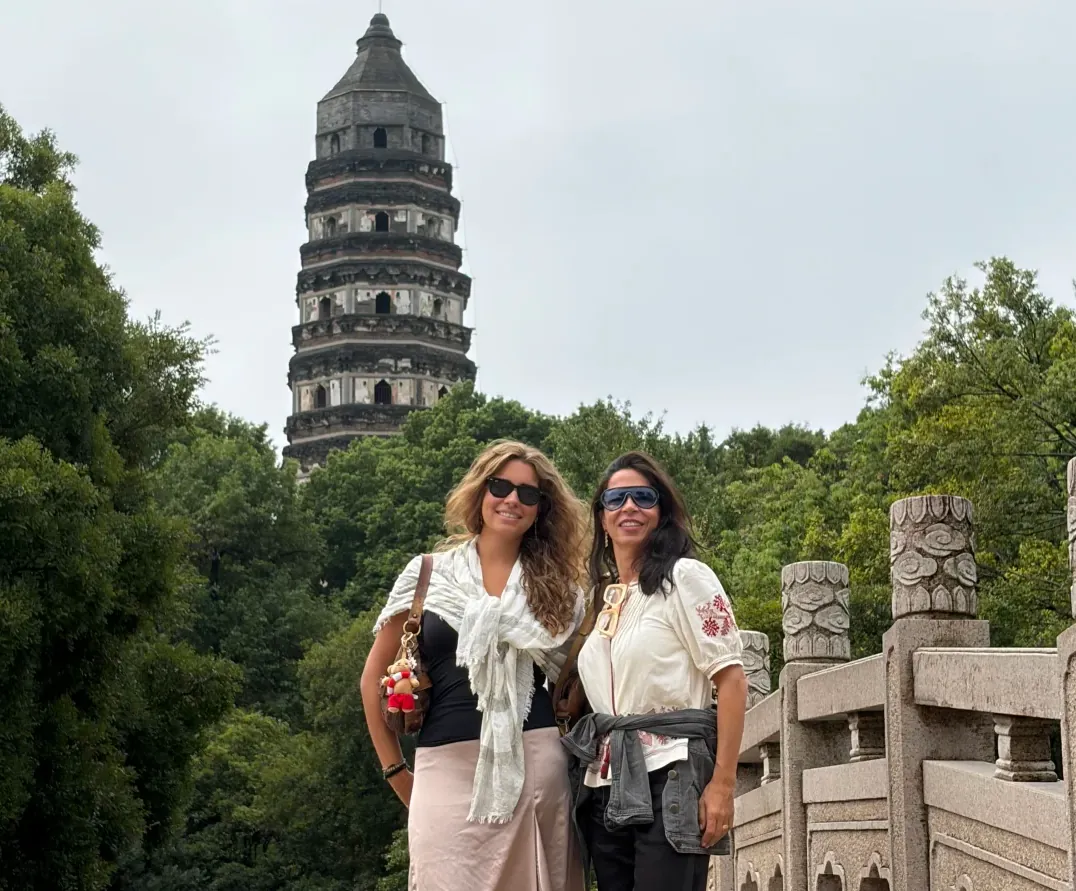
Tiger Hill Pagoda, properly the Yunyan Temple Pagoda, was built between 959 in the sixth year of the Xiande era of the Later Zhou and 961 in the second year of the Jianlong era of the Northern Song. It is a seven-storey, eight-sided brick pagoda with timber eaves in the pavilion style. Its most remarkable feature is that it leans to the north-west by about 2.32 degrees, with the top offset from centre by roughly 2.34 metres, which is why it is called China's Leaning Tower of Pisa. But whereas Pisa leaned only later, Tiger Hill Pagoda was already found to be leaning in the Ming dynasty — and through a thousand years of weather, earthquakes and war it still stands, the most robust historical landmark in Suzhou.
06
The foremost Zen temple of Jiangnan, seventeen hundred years of unbroken incense
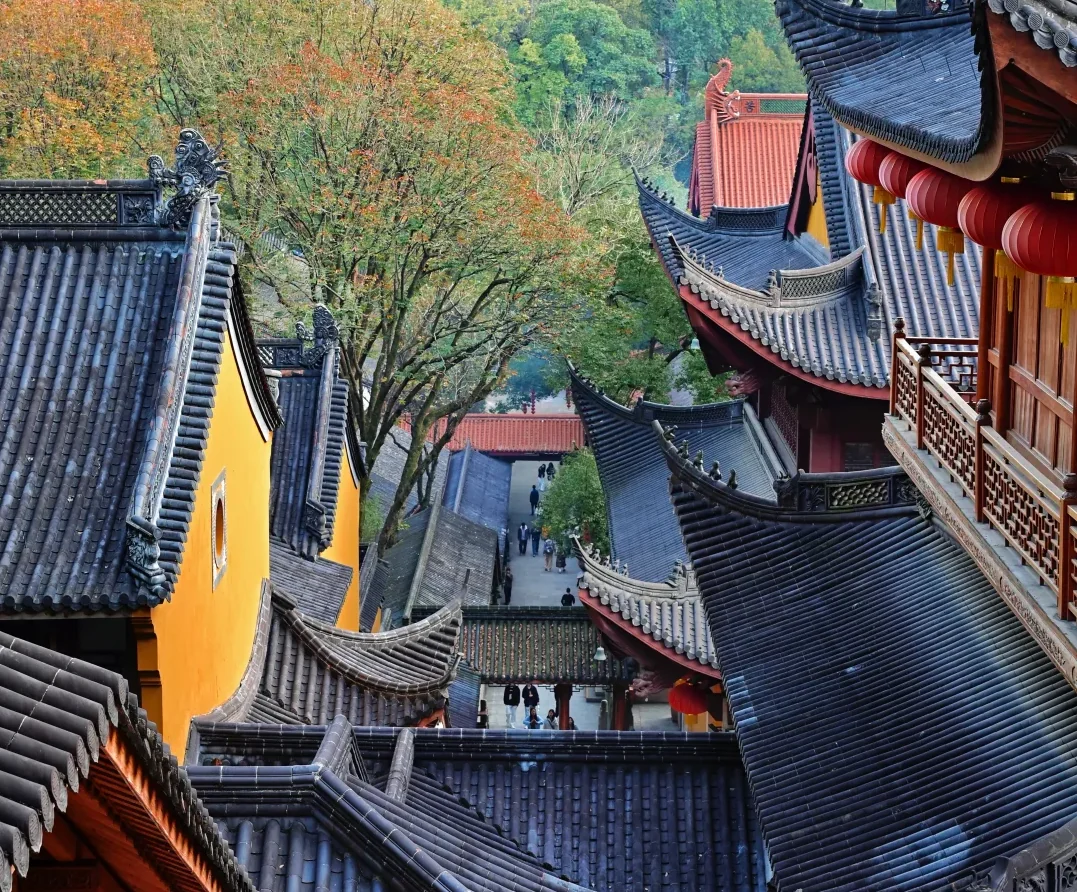
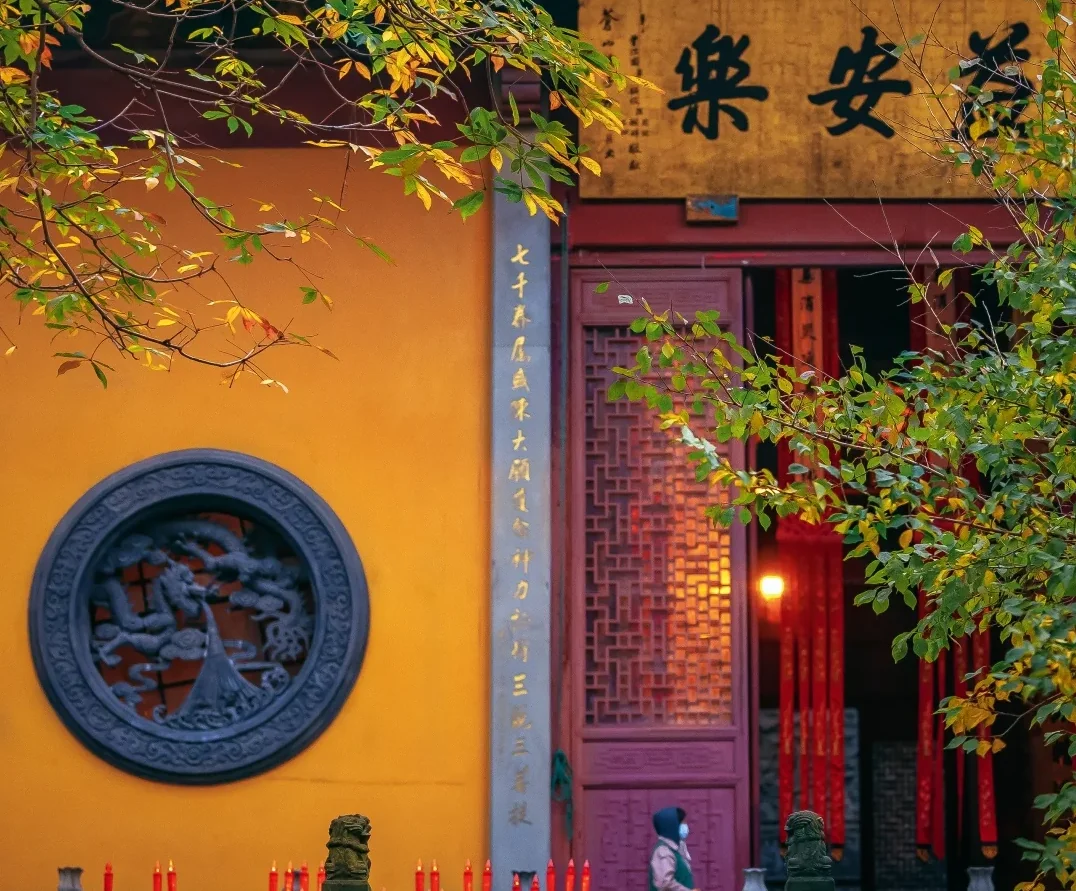
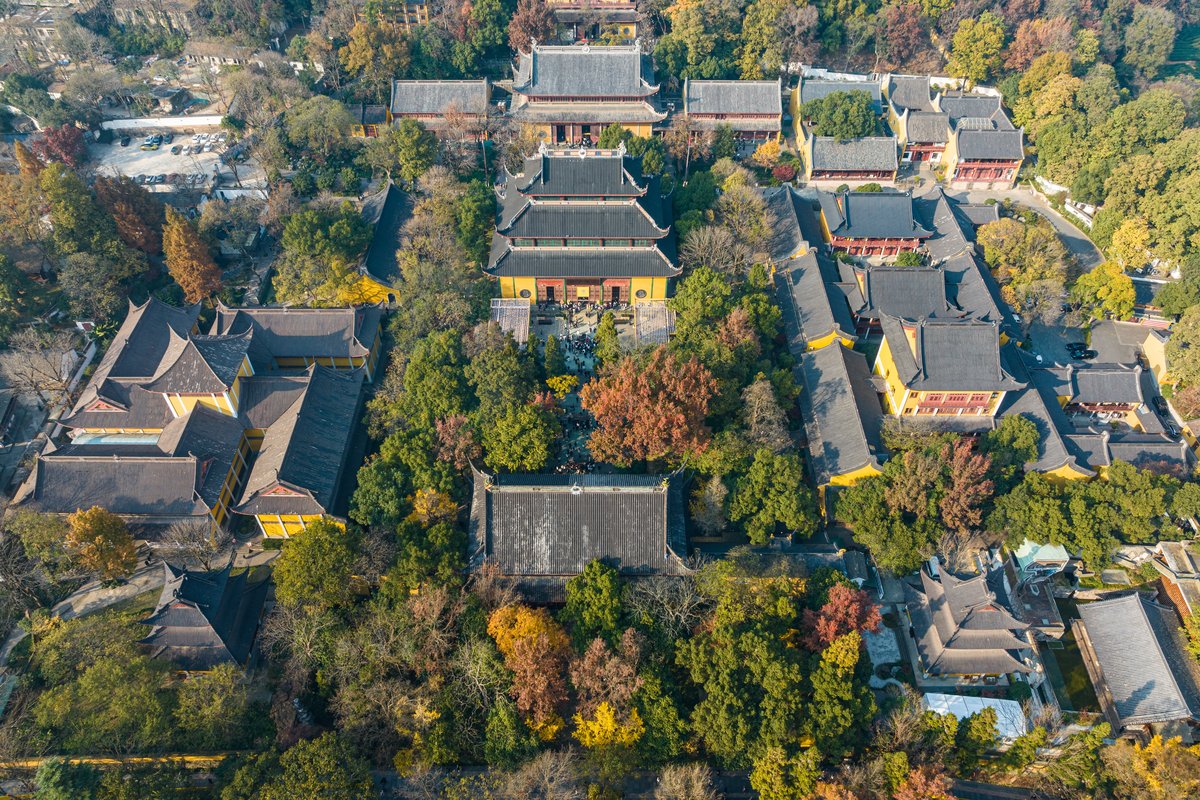
Lingyin Temple was founded in the first year of the Xianhe era of the Eastern Jin (326), some seventeen hundred years ago, and is the earliest famous temple in Hangzhou. Its founding master was the monk Huili from west India, who while travelling in Zhejiang saw a peak in the Wulin hills and marvelled that it must be a small ridge of Vulture Peak in central India that had flown here, a place where immortals and spirits hid — and so built a temple before the peak, naming it Lingyin, or hidden spirit. At its height Lingyin had nine halls, eighteen pavilions and seventy-two sanctuaries, thirteen hundred monks' quarters and more than three thousand monks, and is counted among the five great mountains of Jiangnan Zen. In 1689 the Kangxi Emperor, on his southern tour, bestowed the name Yunlin Temple, and that plaque still hangs above the Hall of Heavenly Kings. One temple is a condensed history of Chinese Buddhism's rise and fall.