This journey packs Chengdu's unhurried, fashionable, everyday character and the grandeur of the western Sichuan snow mountains into the same stretch of time.
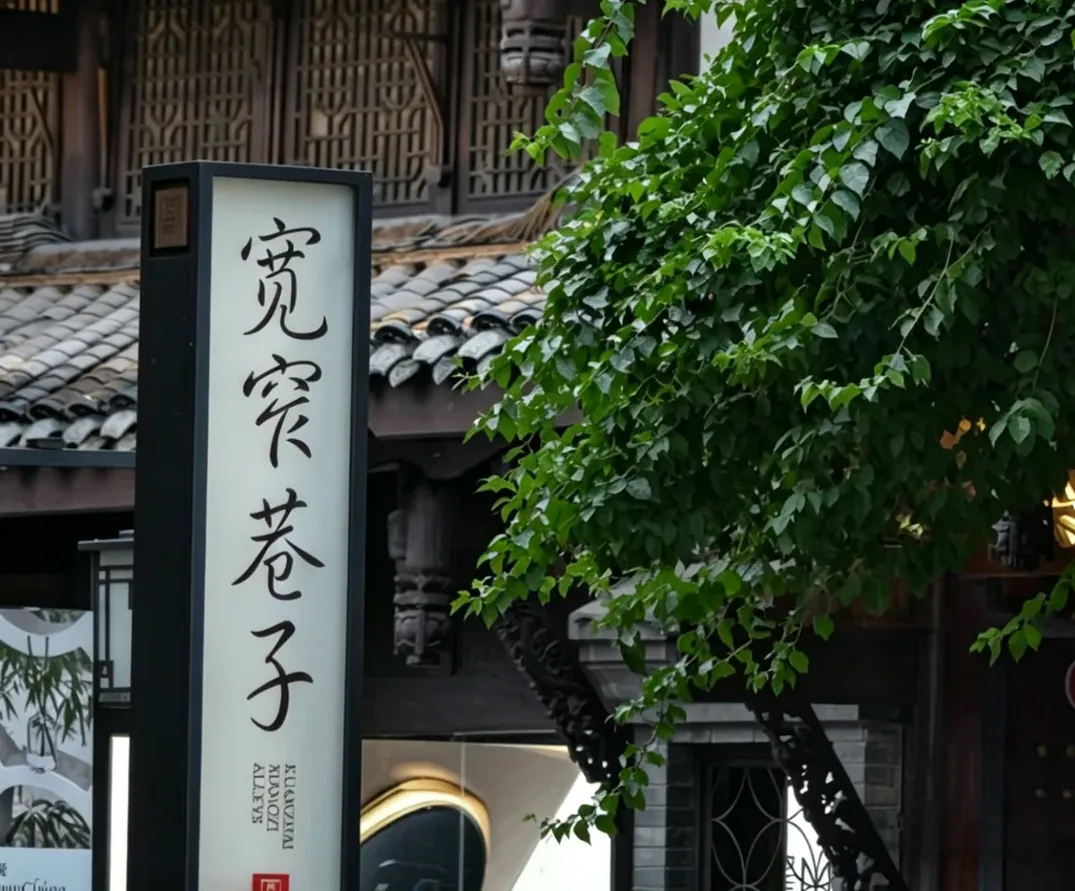
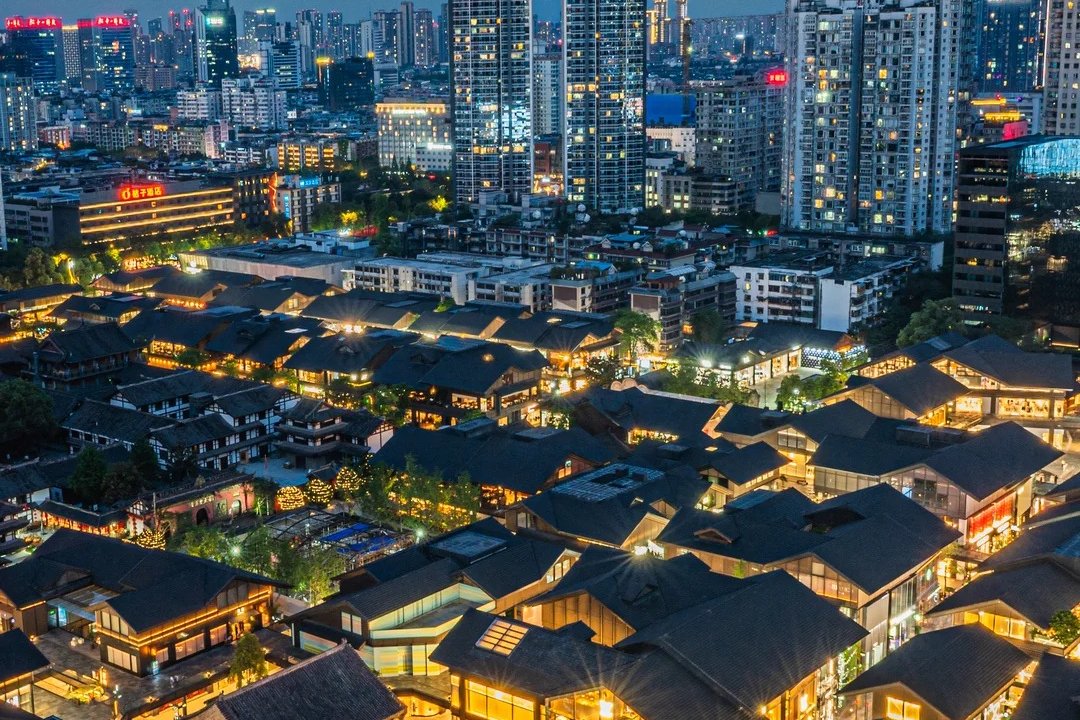
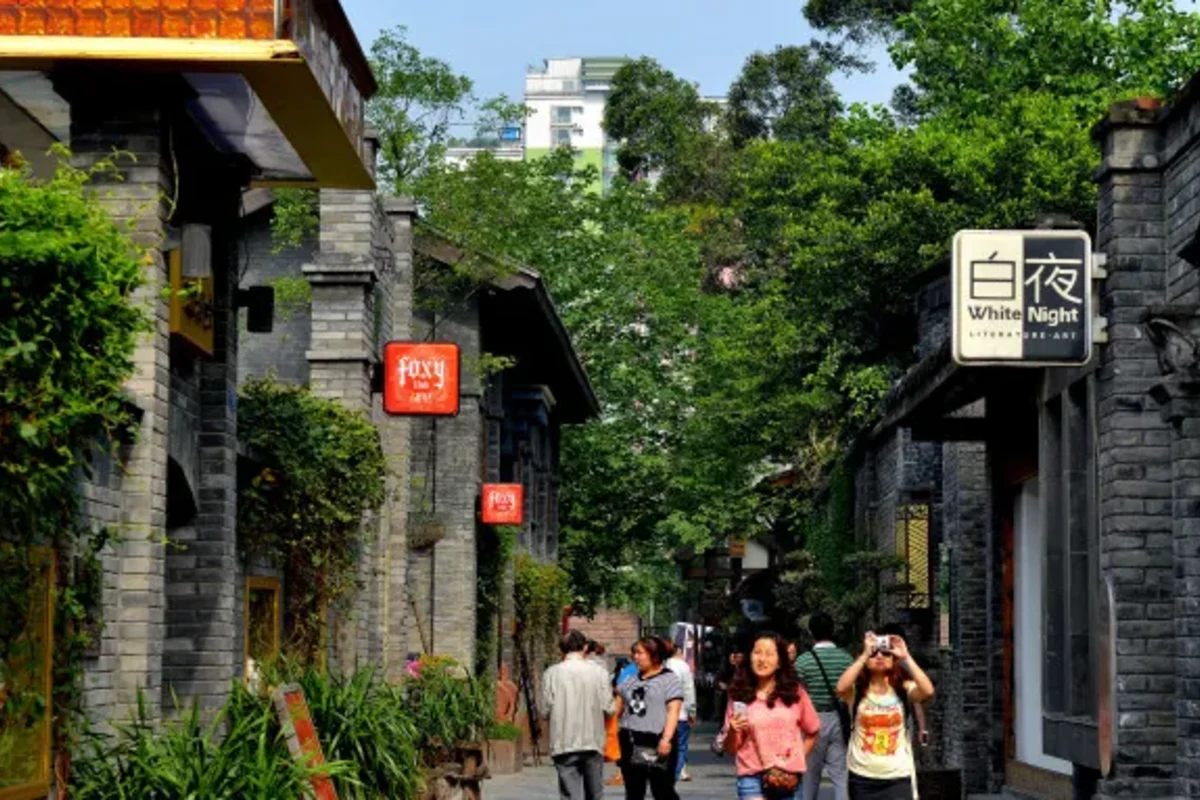
Land in Chengdu with a private transfer and free time after check-in; start with a hotpot in the backstreets, the proper way to open this city. Then walk Chengdu's fashionable core — Jiulong Plaza, Chunxi Road, IFS and Taikoo Li in turn, where modern urban prosperity and the everyday life of old lanes alternate; turn a corner into Kuanzhai Alley for a bowl of gaiwan tea among grey brick and tile, then look in at SKP's bamboo-light courtyard, framing Eastern aesthetics and modern design in one photograph.
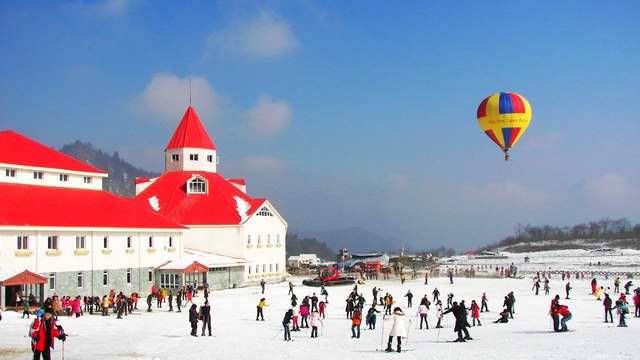
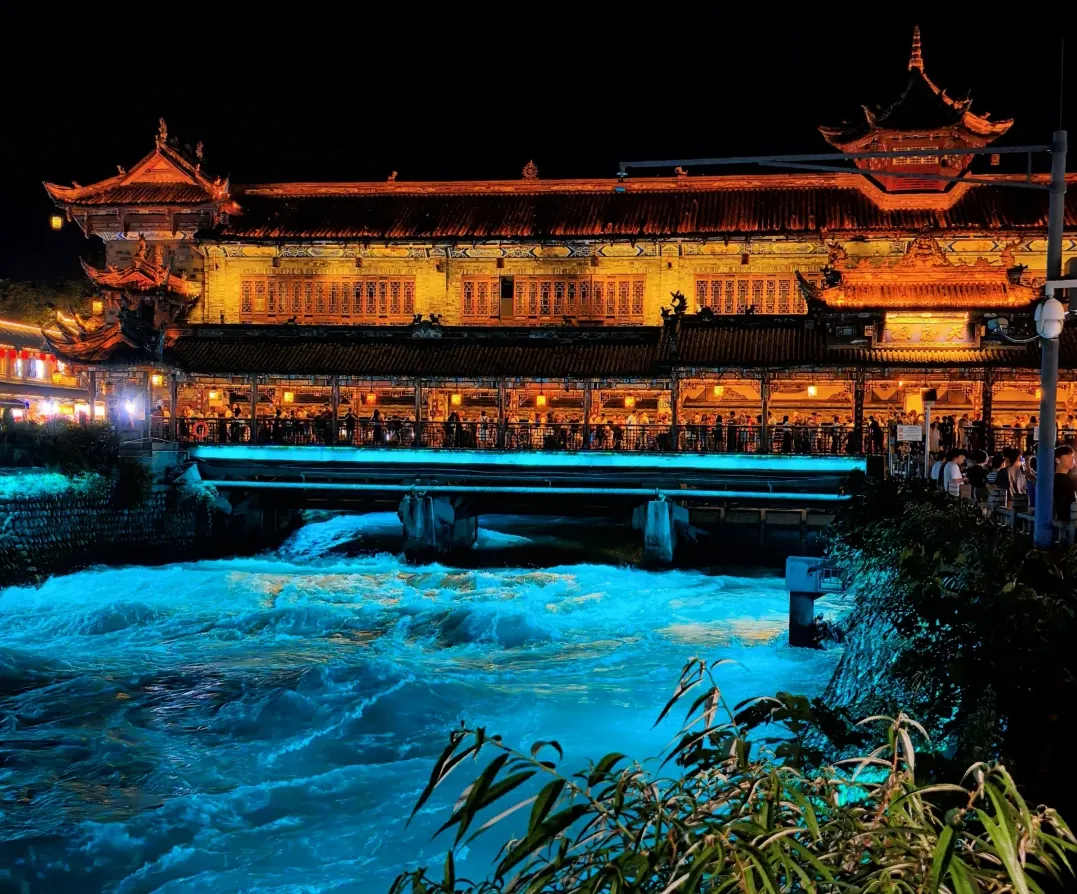
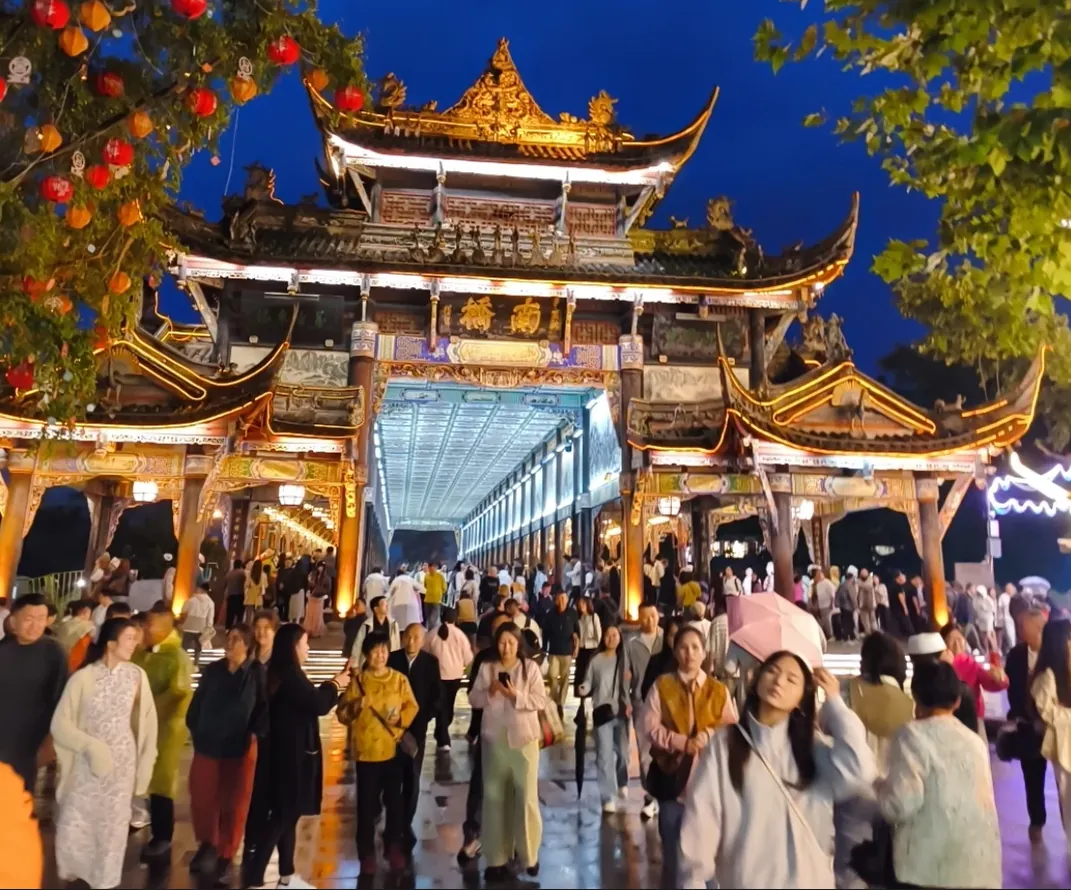
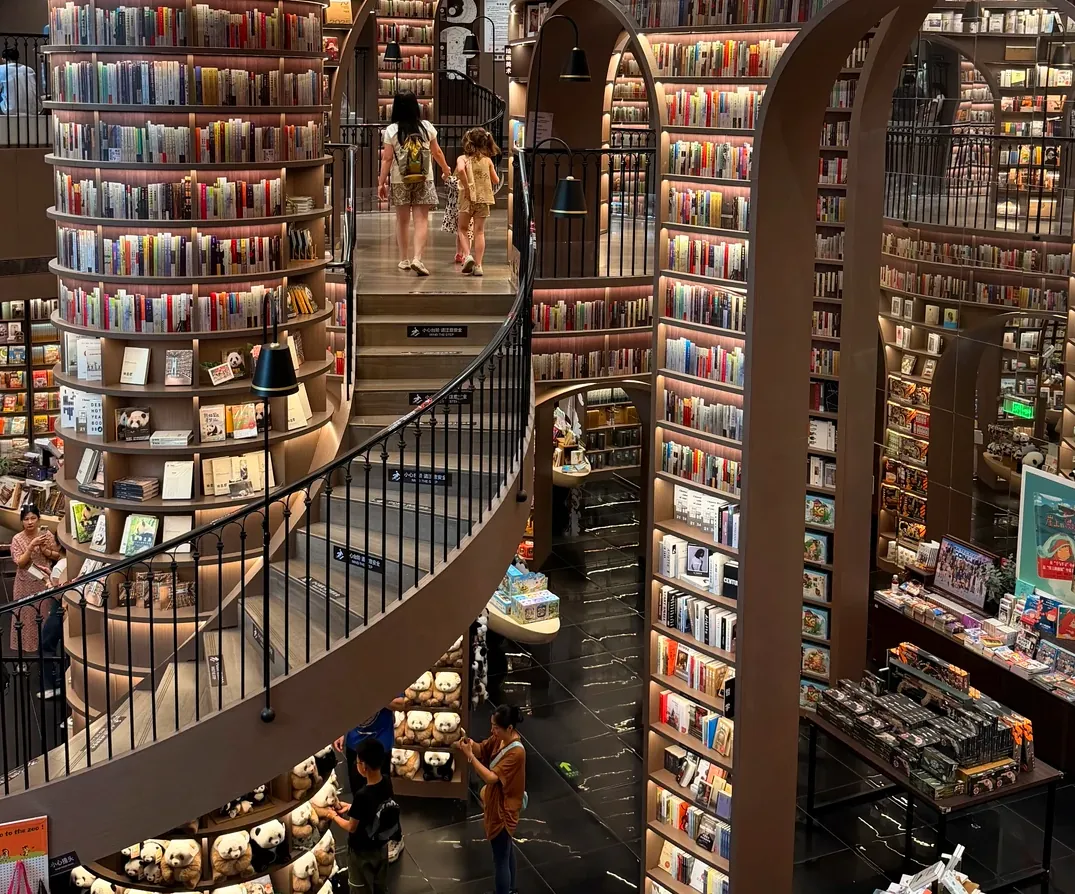
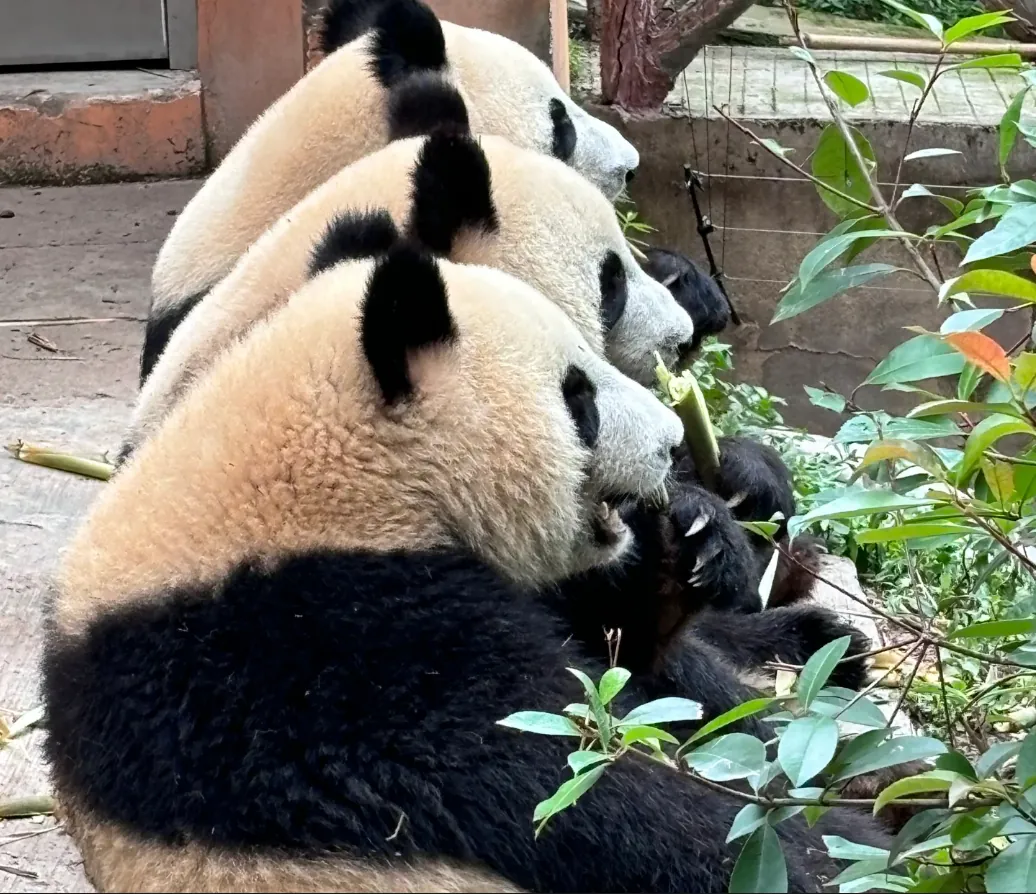
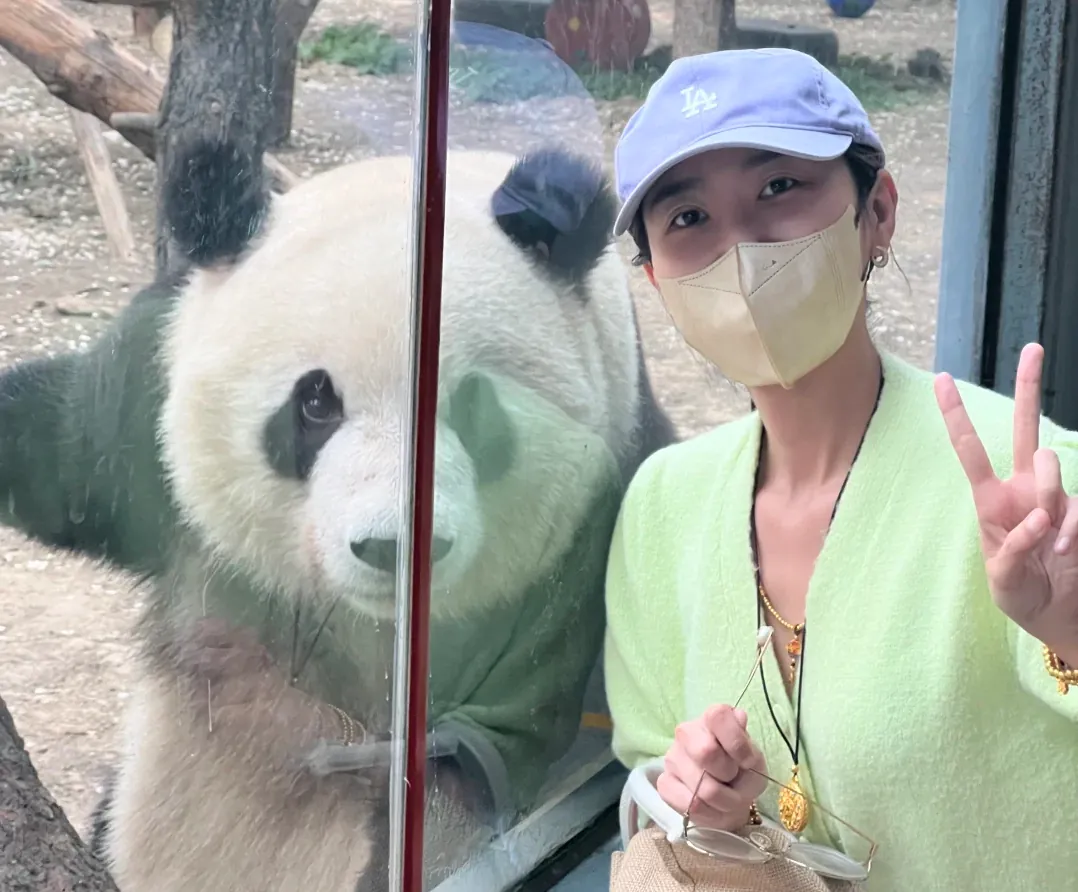
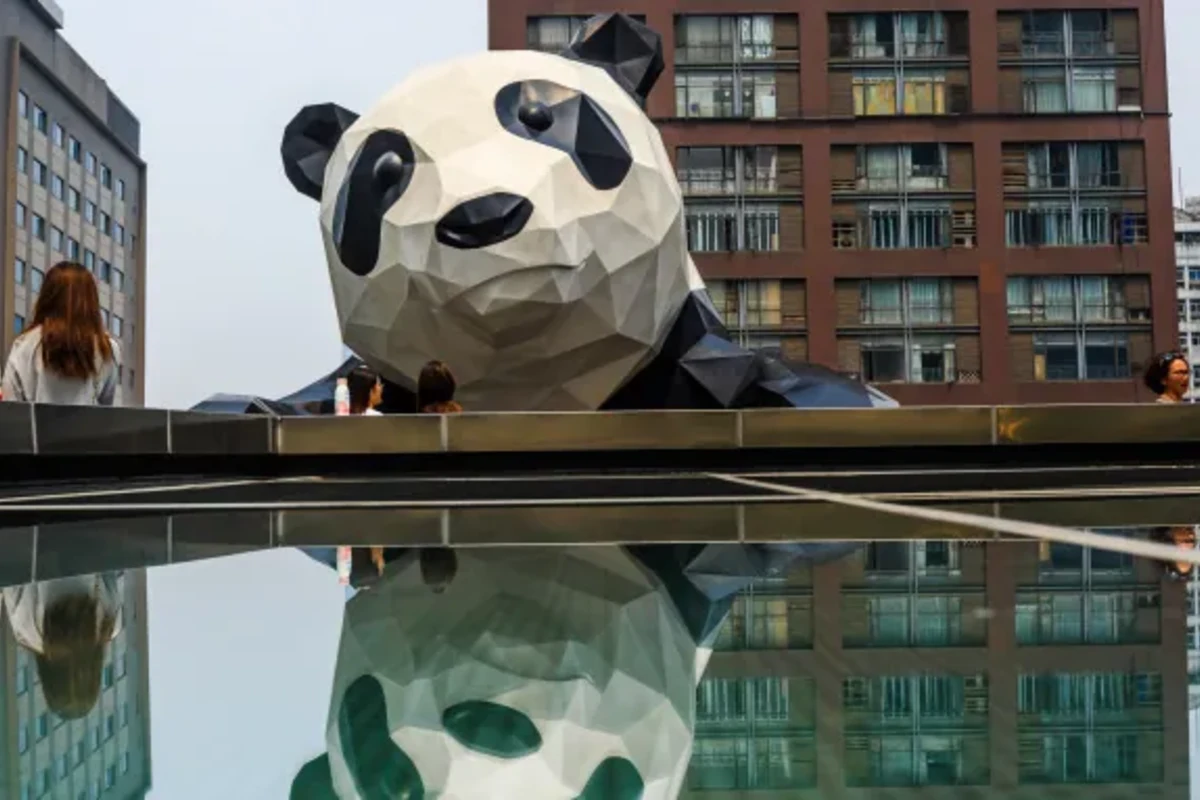
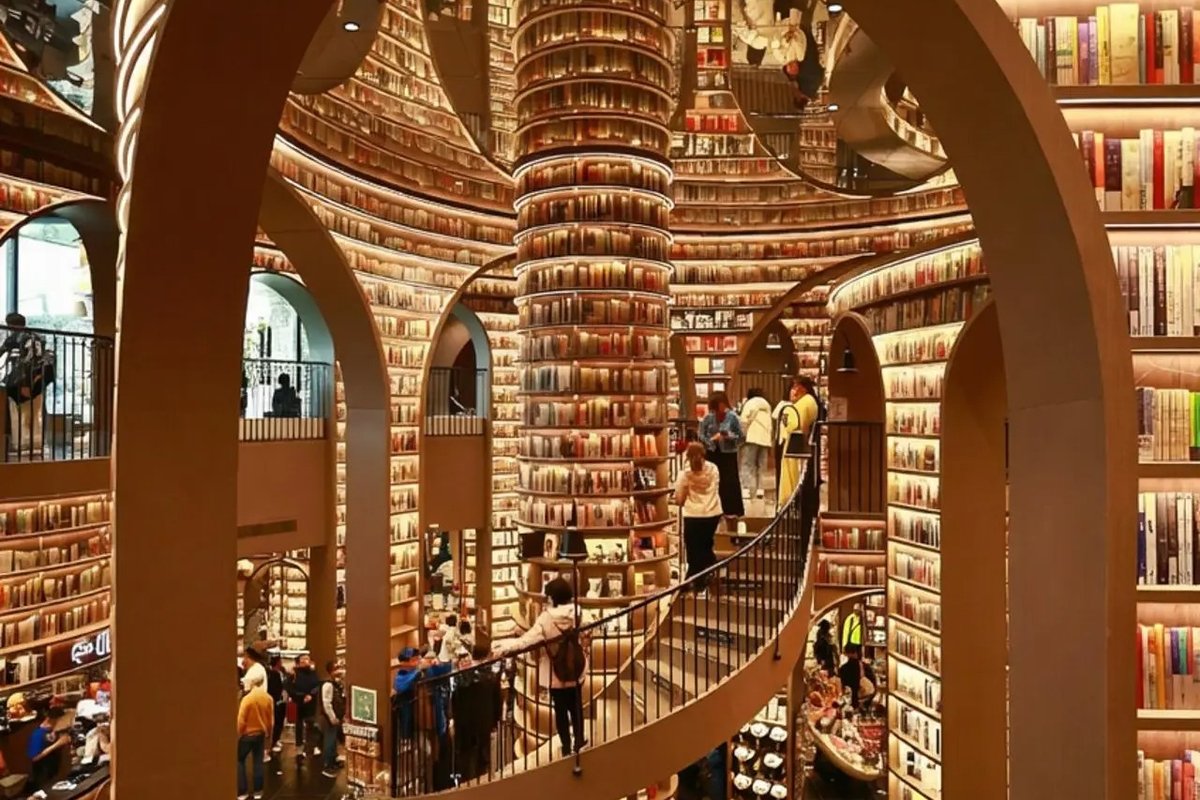
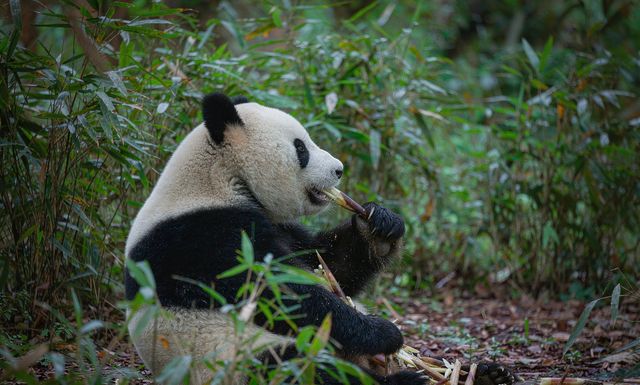
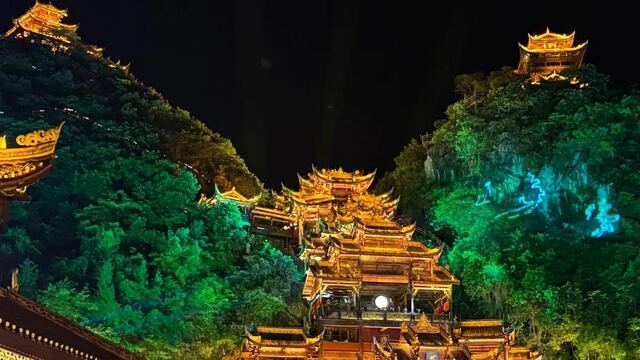
Head west and up Xiannv Mountain's namesake — Xiling Snow Mountain. Tickets and the Yuanyang Pool cableway are included, so without a hard climb you stand at the summit above a surging cloud sea and range upon range of snow peaks. Descending, go to the South Bridge at Dujiangyan, where at night the covered bridge lights mirror on the river and the evening breeze carries off the day's tiredness. The next day visit Yangtianwo Panda Plaza and the Dujiangyan Panda Valley to watch the national treasures crunch bamboo and tumble about, thoroughly healing; then step into Zhongshuge to turn a few pages in one of the world's most beautiful bookshops and feel Chengdu's artistic side, before heading to Li County to stay.
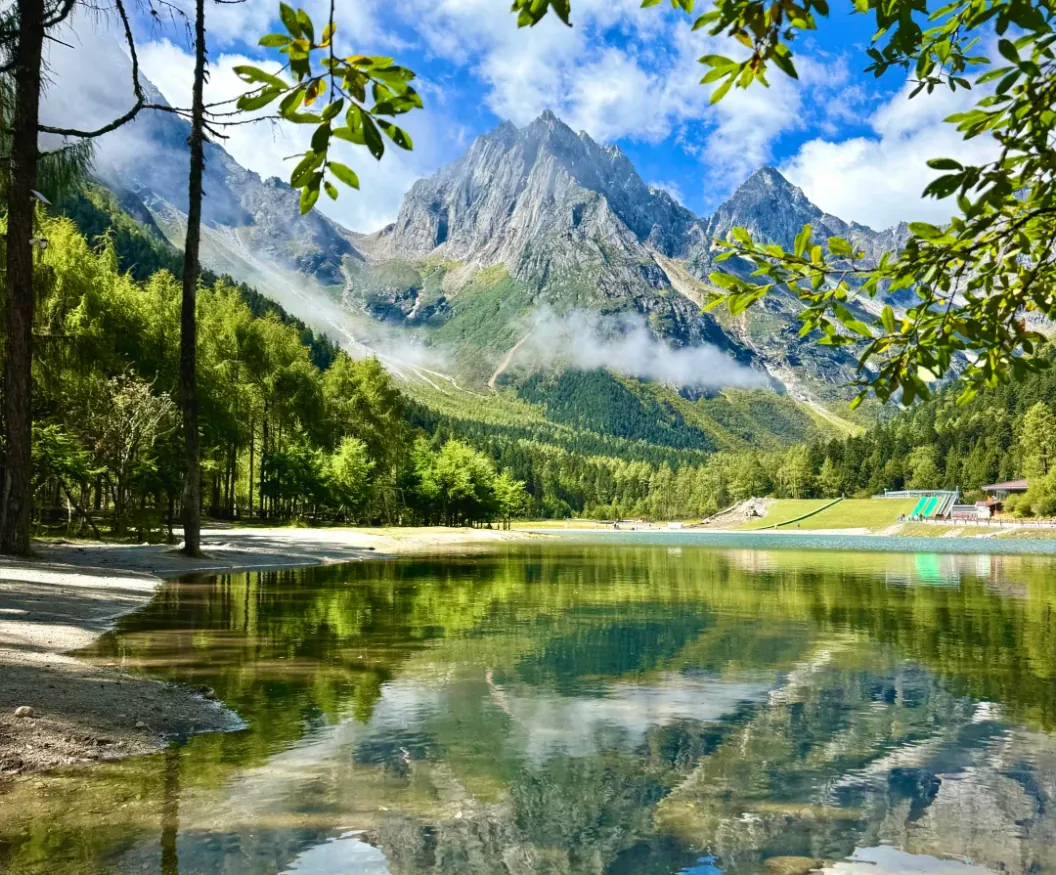
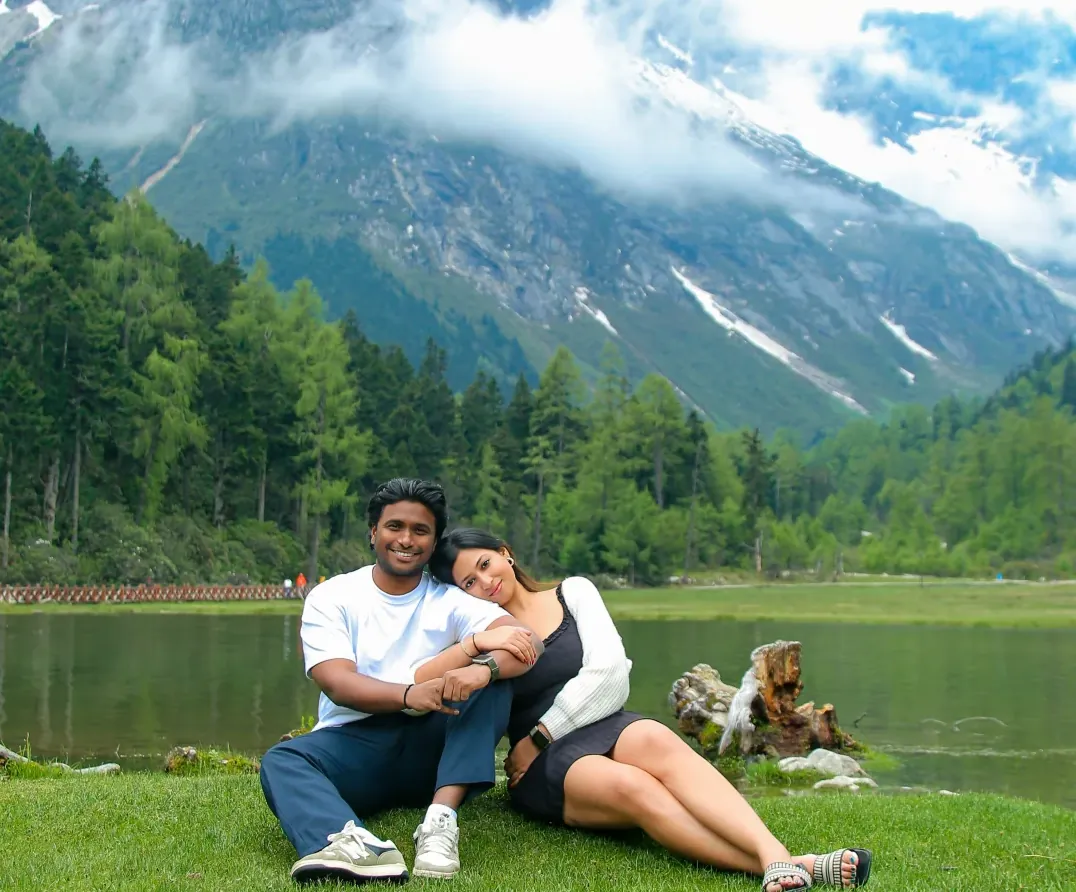
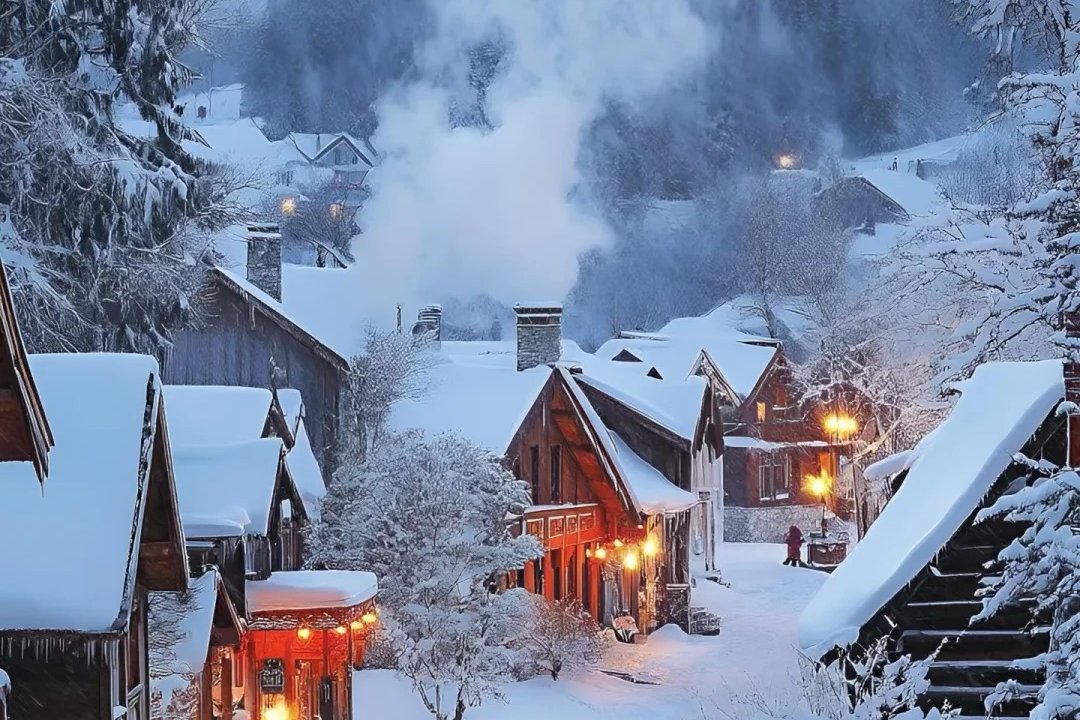
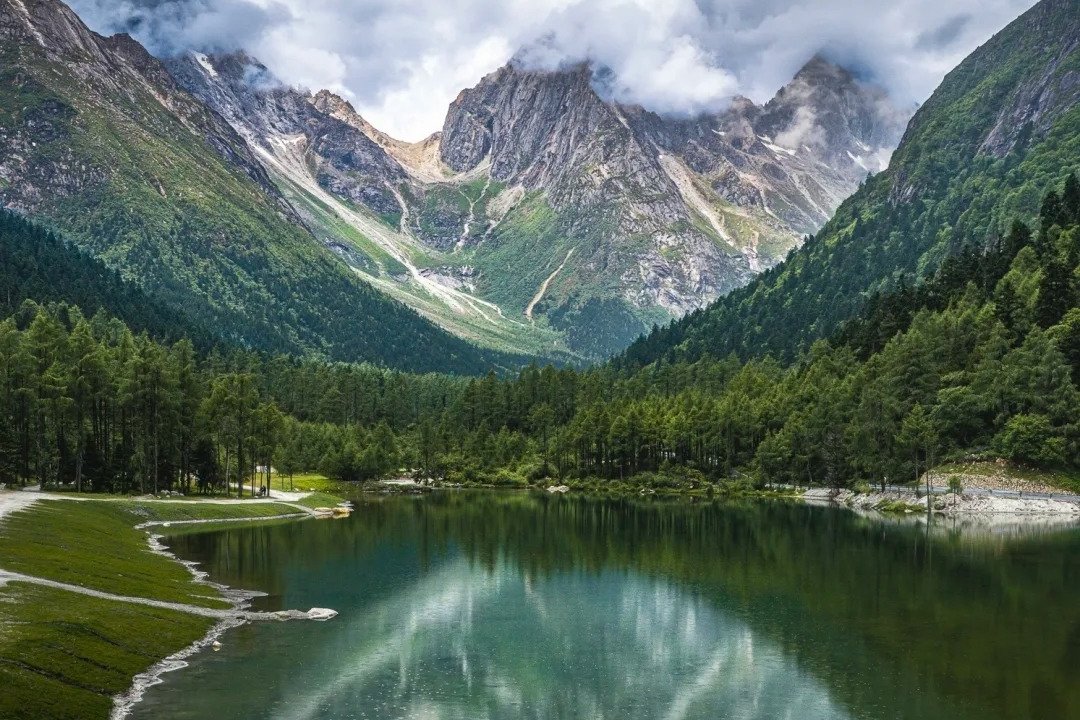
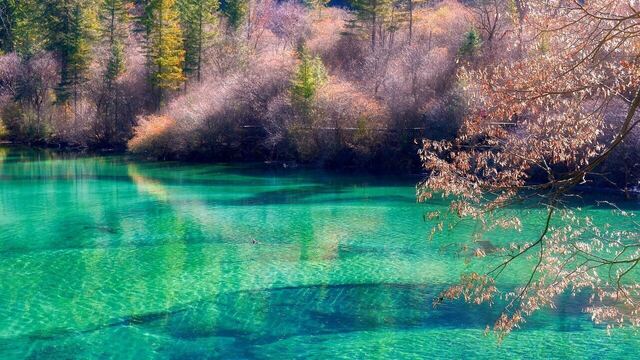
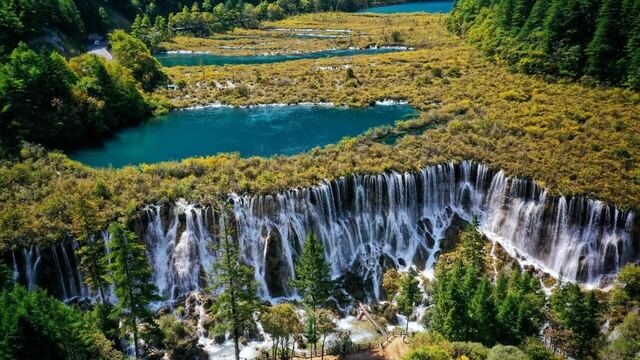
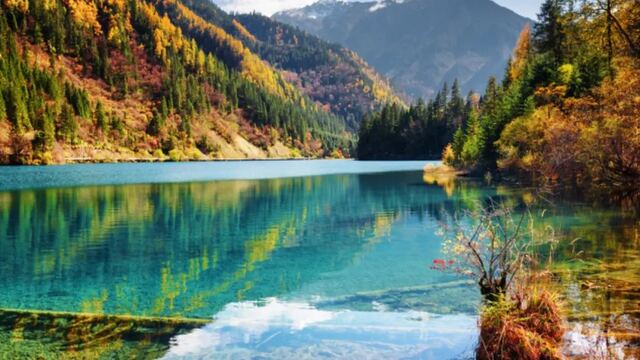
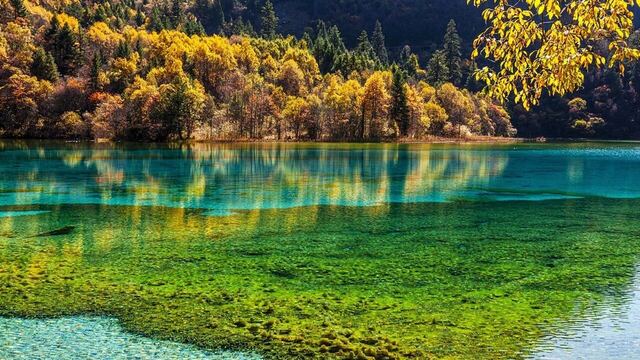
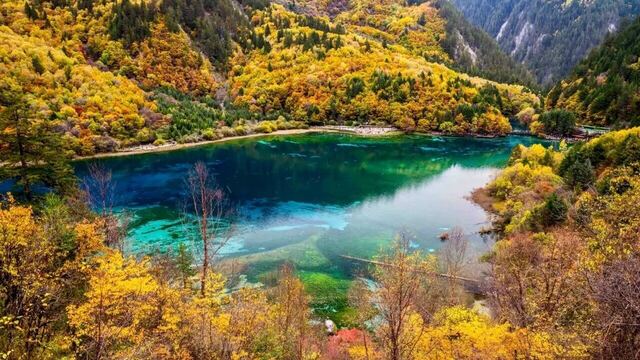
Bipenggou is the natural climax of the whole journey. Tickets, the sightseeing vehicle and both electric cart legs are included, so without hiking you can easily take in snow mountains, alpine lakes, coloured forests and meadows — beautiful in every season, and every snap a western Sichuan photograph. Back in Chengdu, the final day is free for last sights and souvenirs, then a private transfer to the airport, heading home with hotpot flavours, snow mountain memories and the charm of the pandas.
01
The face-changing master comes to your table — close-up interaction is the essence
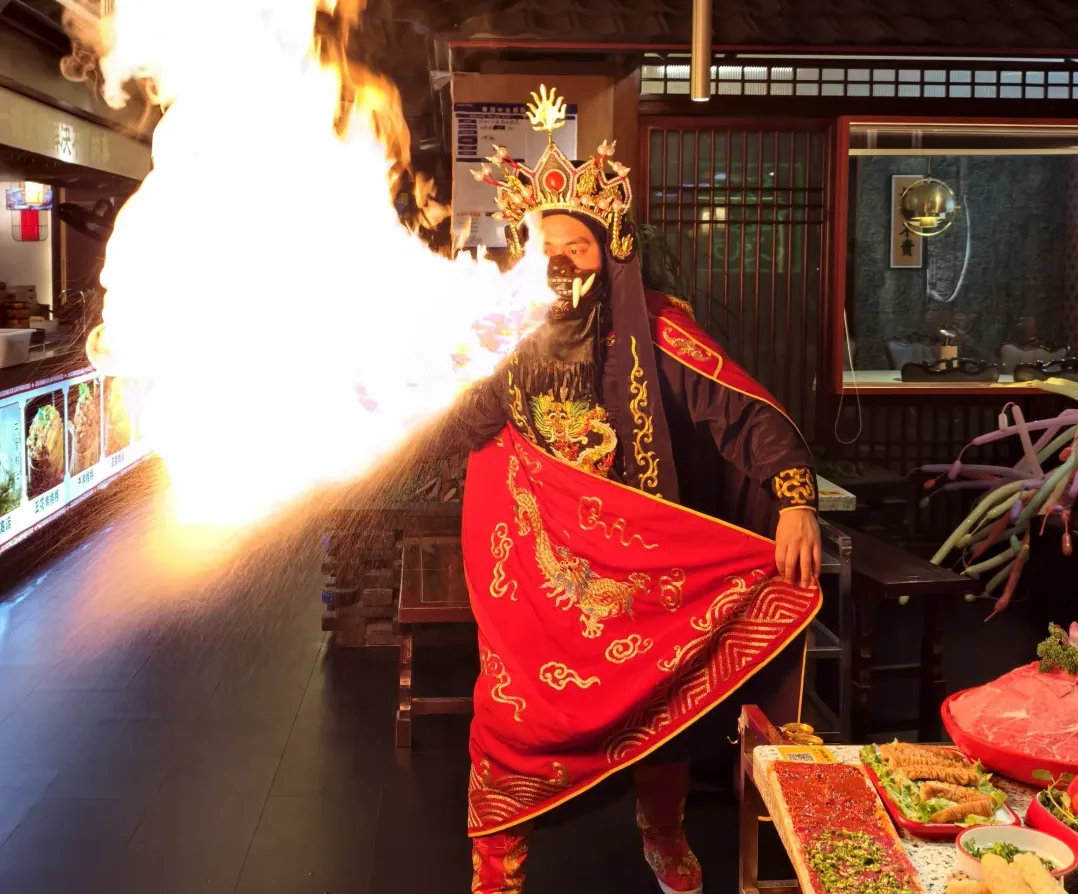
The most surprising thing about Sichuan opera hotpot is that the performance does not happen far away on a stage. The face-changing master comes down and walks right up to diners' tables, changing masks at almost touching distance — a flick of the hand and the mask switches instantly. Some performers even produce meme masks audiences recognise, bringing the house down. Visitors have described shaking the master's hand and having a mask changed right in front of them, a closeness no screen can convey. The fire-spitting is equally close up, with flames rising through the steam of the hotpot for an immediate visual punch.
02
Sink into a bamboo chair with a bowl of tea and the soul of Chengdu appears
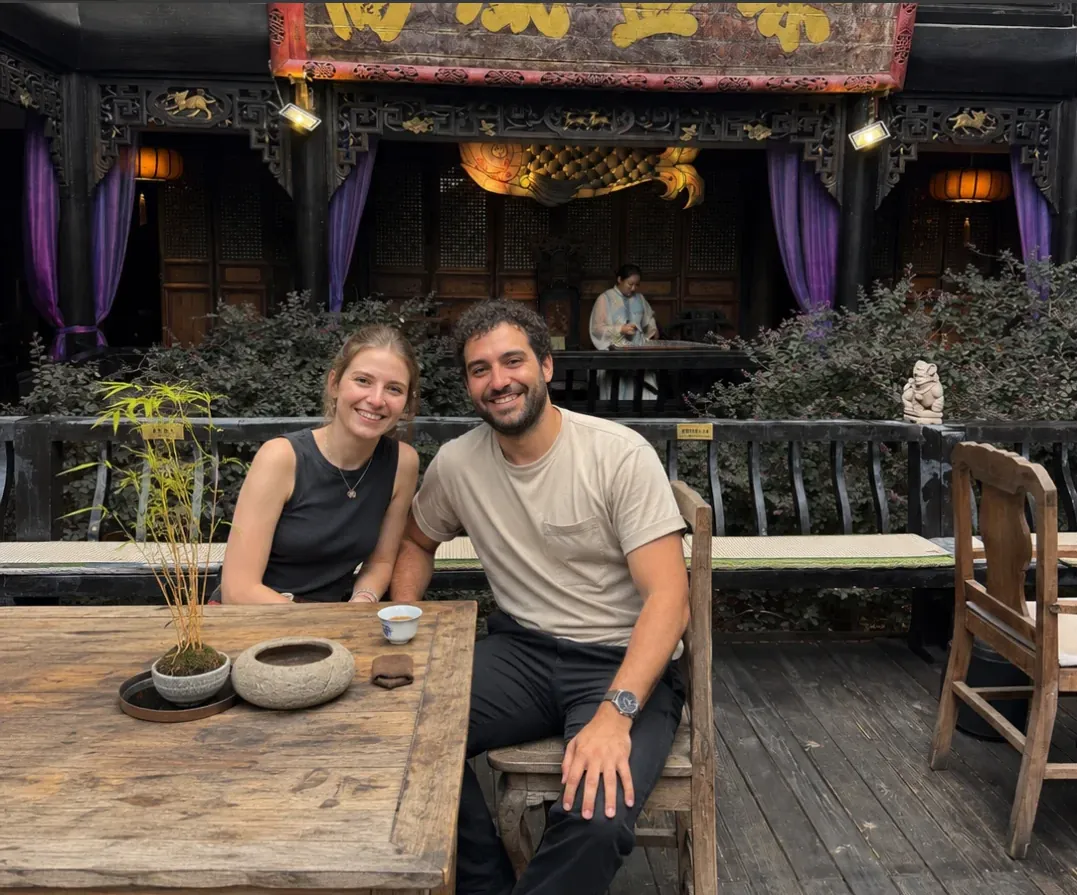
Pick any old teahouse, order a cup of Biluoxue or Zhuyeqing, and the moment the lid comes off and the fragrance rises, the whole body relaxes. Gaiwan tea honours the three powers — the lid as heaven, the saucer as earth and the bowl as humanity; you hold the saucer with the left hand, lift the lid with the right, gently push the floating leaves aside with the rim and sip slowly. What you are drinking is not tea but Chengdu's ease — the attitude that even if the sky falls, finish the tea first.
03
The South Bridge blue tears — a river of blue stars on the Minjiang
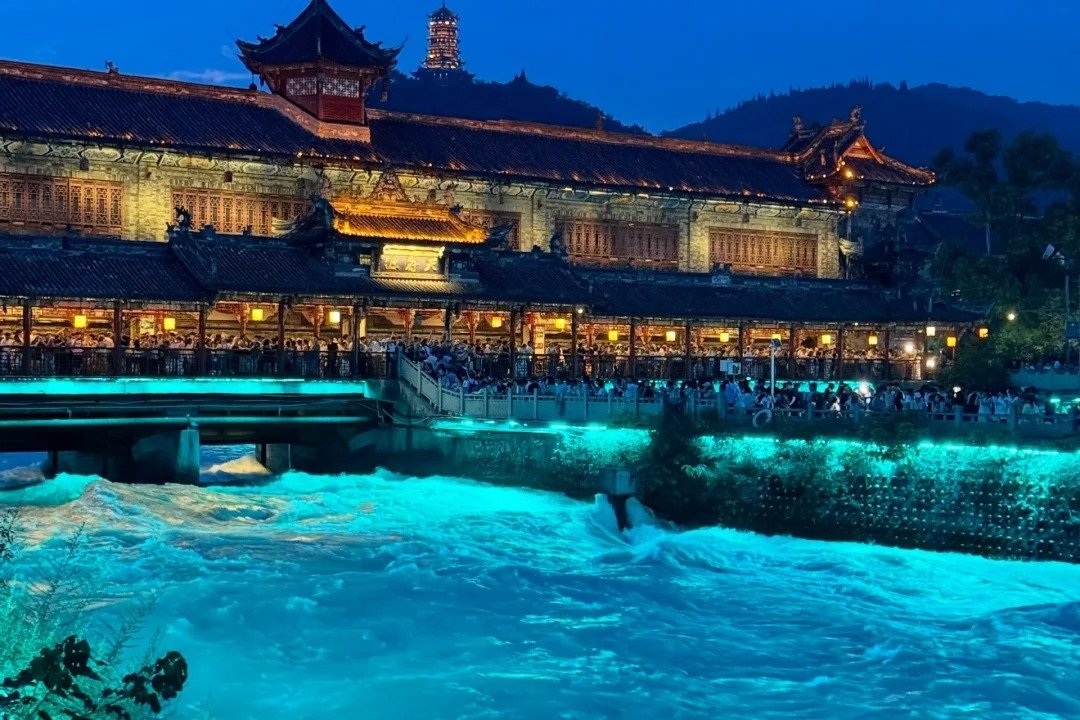
As night falls, the cyan-blue neon of the South Bridge at Dujiangyan comes on in stages and the rushing Minjiang takes on a ghostly blue glow under the lights, like a flowing blue ribbon dancing through the channel — the blue tears that have gone viral online. To the eye the water tends greenish, but through a phone or camera it becomes a translucent aurora blue, surging with the current while the bridge's carved beams and painted rafters stand out in clear layers. Shooting up from the low steps beneath the bridge fills the frame with rippling blue light. The bridge itself is a five-arch covered bridge about 133 metres long, its vermilion columns, painted carvings, calligraphy and couplets combined into one whole — quietly elegant by day, brilliant by night, echoing the blue light on the water.
04
One of the world's ten most beautiful bookshops, the only one in China
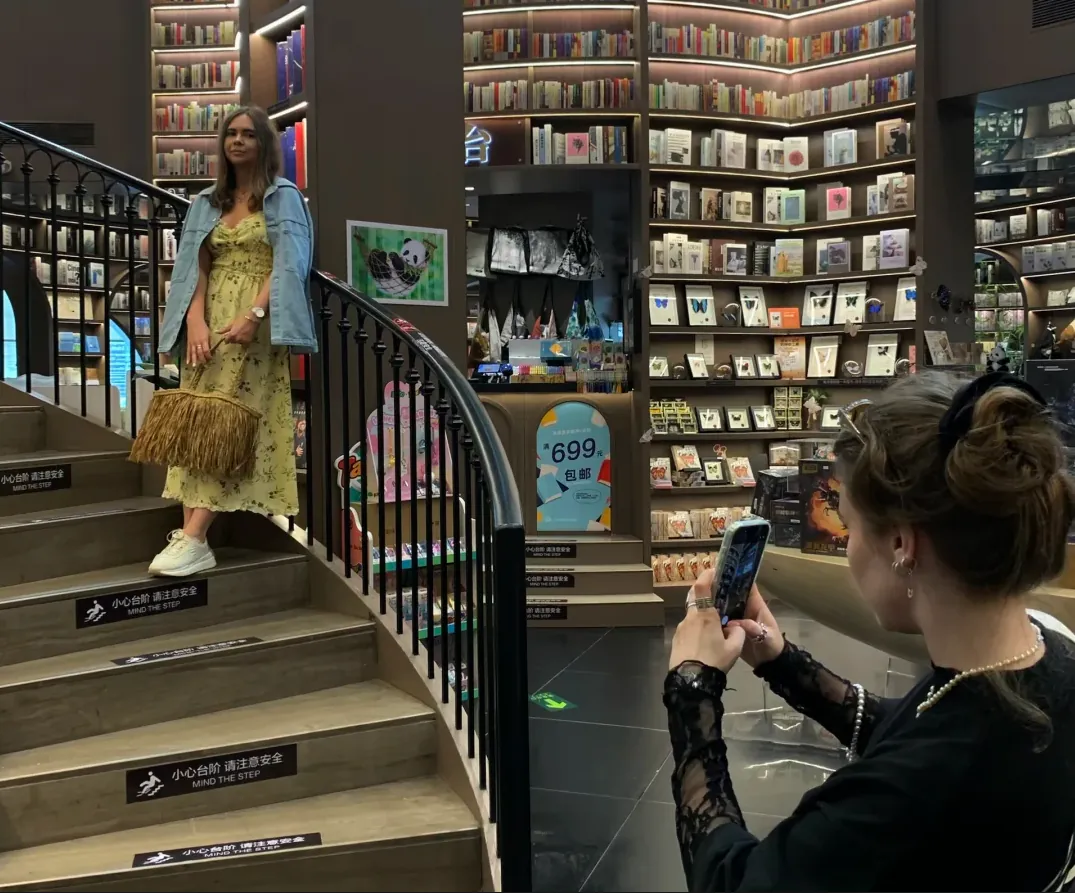
Zhongshuge at Dujiangyan opened in September 2020 as the first bookshop themed on culture and travel, with a floor area of about 1,136 square metres. In 2025 it was named one of the world's ten most beautiful bookshops by The 1000 Libraries Awards, the only Chinese bookshop on the list, with the organisers calling it a vivid surrealist painting. It had already won the Architizer A+Awards professional jury prize, known as the Oscars of architecture, along with the annual best bookshop design award from the American magazine Interior Design and a gold at Italy's A' Design Award. Foreign ministry spokespeople Hua Chunying and Zhao Lijian both shared its short videos on their personal social accounts, bringing this bookshop hidden on the second floor of a Dujiangyan mall to global attention overnight.
05
Not a zoo but a training camp for pandas returning to the wild
The full name of Panda Valley at Dujiangyan is the Chengdu Research Base of Giant Panda Breeding's Dujiangyan Wild Release Research Centre. Founded in 2010 and opened to the public in 2015, its core task is not exhibition but the wild-training of giant pandas — helping captive-bred animals gradually adapt to the wild and eventually return to nature. The site covers 2,004 mu with native vegetation covering over ninety per cent, ranging from 740 to 1,161 metres in elevation in a valley at Yutang Town, Dujiangyan, next to Qingcheng Mountain and the Dujiangyan irrigation works. What you see here is not pandas shut behind glass but near-wild pandas moving, climbing and foraging in a semi-wild environment. Fifteen giant pandas and twenty-one red pandas live here year-round — a place genuinely doing conservation rather than simply displaying.
06
An ecological sanctuary on the northern slope of Siguniang Mountain
Bipenggou lies at Putou Town, Li County, Aba Prefecture, on the northern slope of Siguniang Mountain. It is part of the giant panda habitat World Natural Heritage site and the core area of the Miyaluo nature reserve, a national 4A-level tourist attraction and one of China's ten great ecological tourism areas. Elevation climbs from 2,015 to 5,922 metres, the terrain steep and the forest dense, encompassing almost every type of western Sichuan natural landscape: virgin forest, wetland meadow, alpine lake, stream and waterfall, snow mountain and glacier, coloured forest and red leaves, gorge and hot spring. The valley holds several snow mountains above five thousand metres, including the Banjifeng glacier at 5,430 metres, a well-developed glacier known as an ancient glacier of international renown and the first choice of training ground for those progressing towards six-thousand-metre peaks. One walk through the valley is a complete survey of western Sichuan's finest terrain.
07
Muslim-friendly · Chengdu Huangcheng Mosque & Dujiangyan South Street Mosque
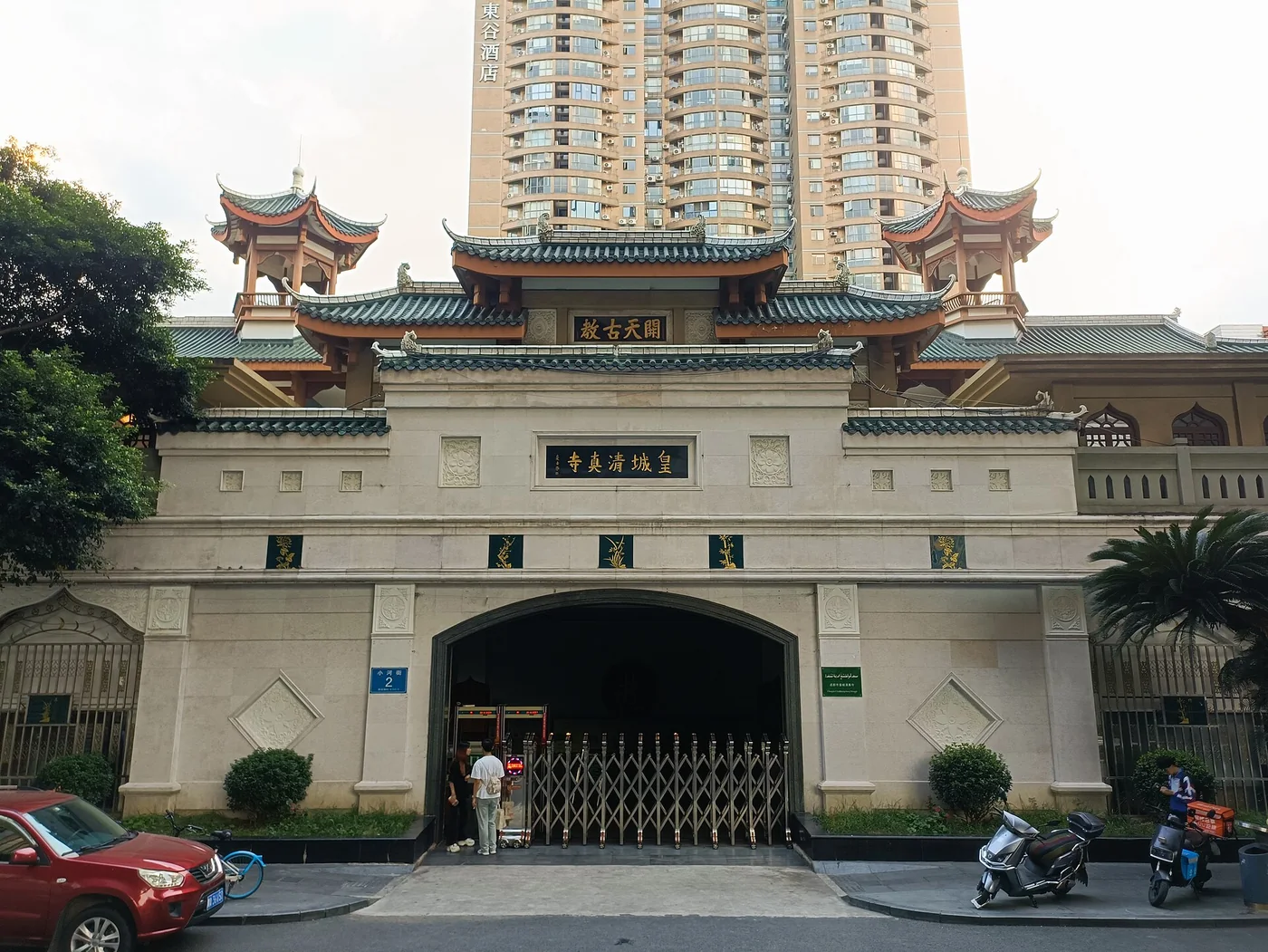
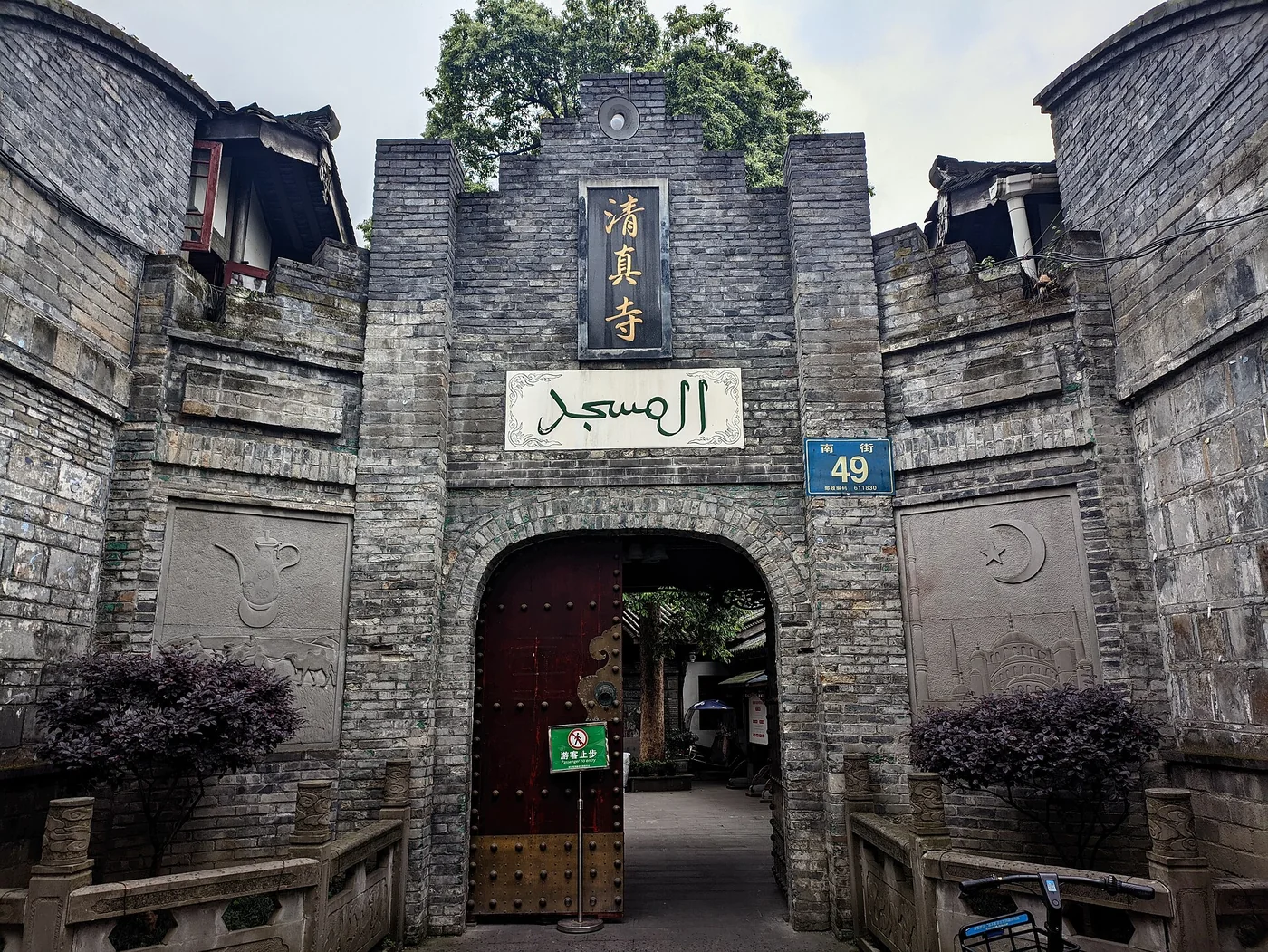
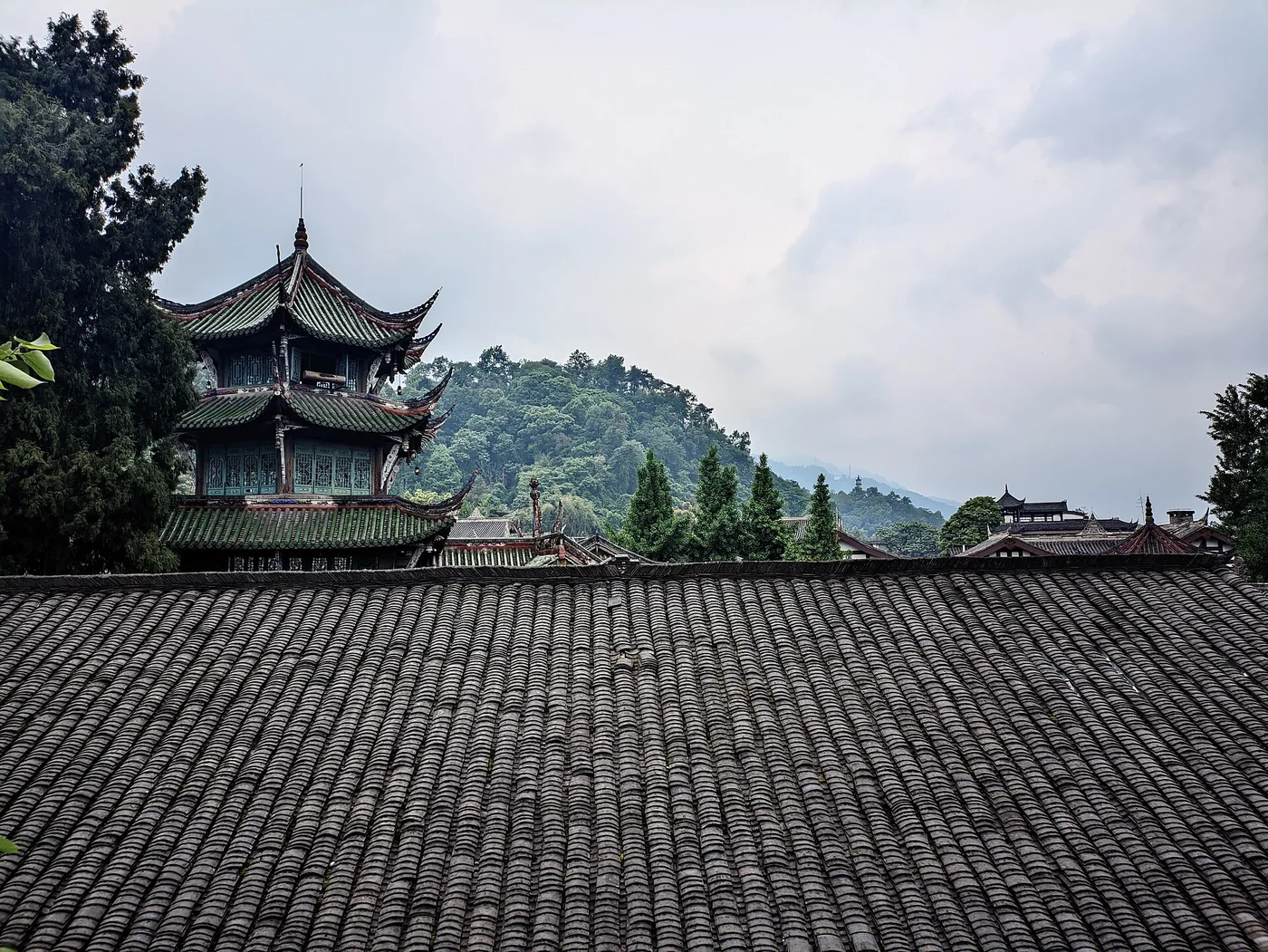
Chengdu's Huangcheng Mosque stands on the west side of Tianfu Square, named after the Ming-dynasty Shu princely palace whose remains lie beside it. It is the largest historic mosque in Sichuan and the only religious site open to visitors in the city centre. Traditionally founded in 1666, it was rebuilt after being destroyed in the fighting of 1917 and relocated to its present Xiyu Street site in 1998 when Tianfu Square was expanded. The new complex blends Arabic elements with Ming- and Qing-style architecture; the prayer hall seats several hundred, and the second gate still carries the 1729 'Ka Tian Gu Jiao' tablet. Dujiangyan South Street Mosque, also known as Guanxian Mosque, sits on South Street in the old town, barely a hundred metres from the South Bridge. Founded in the late Ming dynasty by Muslim traders who settled here along the ancient tea-and-horse road, it is built in the Chinese palace style, with three courtyards that widen as you go deeper. The 21-metre, three-storey hexagonal moon-watching tower behind the hall dates from 1934, and Qing-dynasty tablets such as Prince Guo's 'Shi Shou Liang Gui' are still kept inside. Damaged in the 2008 Wenchuan earthquake, it took three years to restore. Both mosques hold daily and Friday prayers, and Muslim guests can include a visit in the itinerary.
Photos: Kcx36 / Wikimedia Commons, CC BY-SA 4.0