A journey through six hundred years of the capital, an in-depth experience that brings together imperial grandeur, the sweep of the Great Wall, the refinement of classical gardens and the everyday life of the hutongs.
It opens with a relaxed private transfer from the station or airport, followed by a free wander after check-in to get a first feel for the city's rhythm. Over the following days you move immersively between Beijing's past and present: touch the imperial presence of the Ming and Qing dynasties among the red walls and golden tiles of Tiananmen Square and the Forbidden City; hear the everyday symphony of old Beijing in the grey brick and tile of Shichahai and Nanluoguxiang, and feel how quietly time passes.
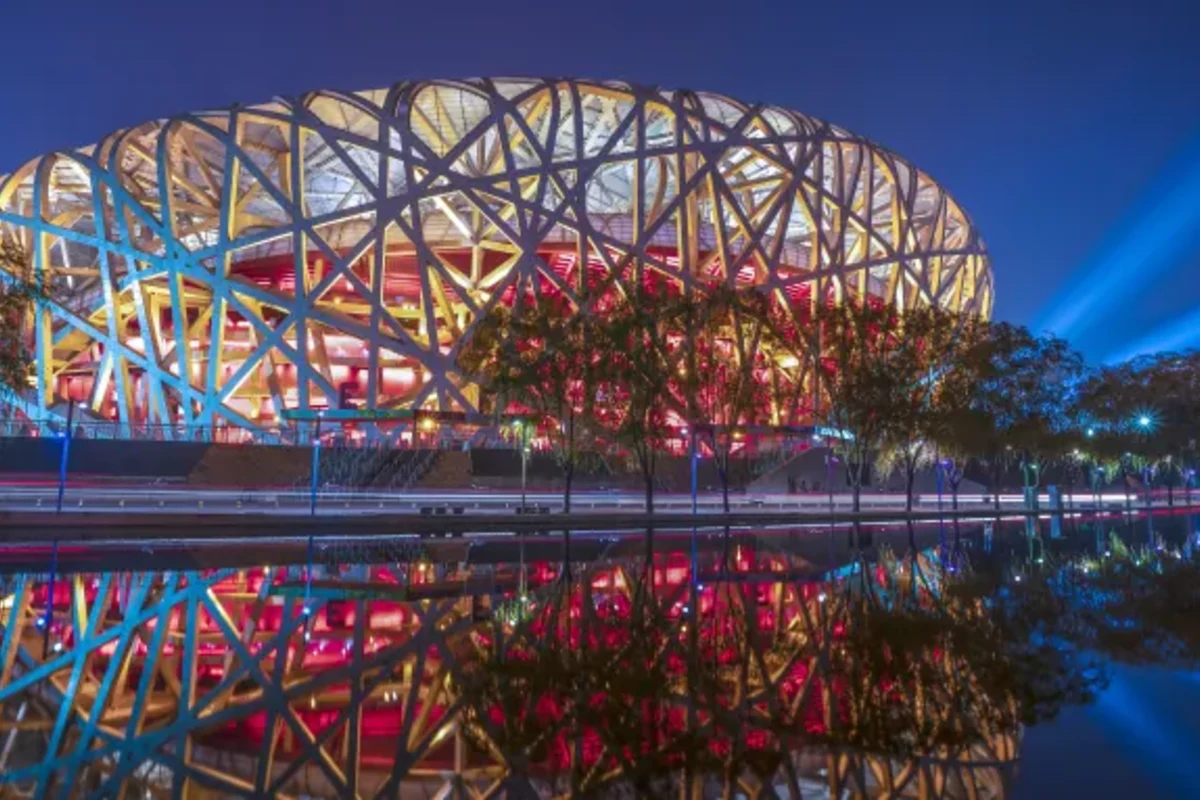
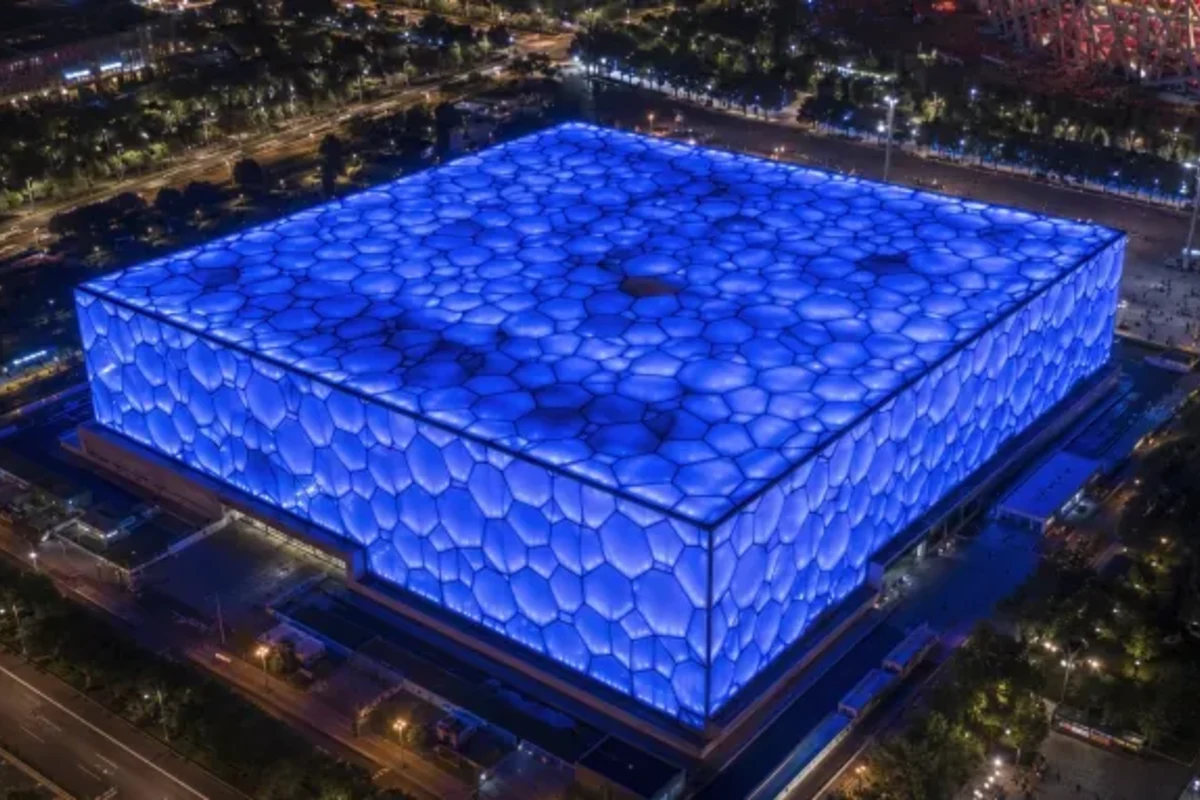
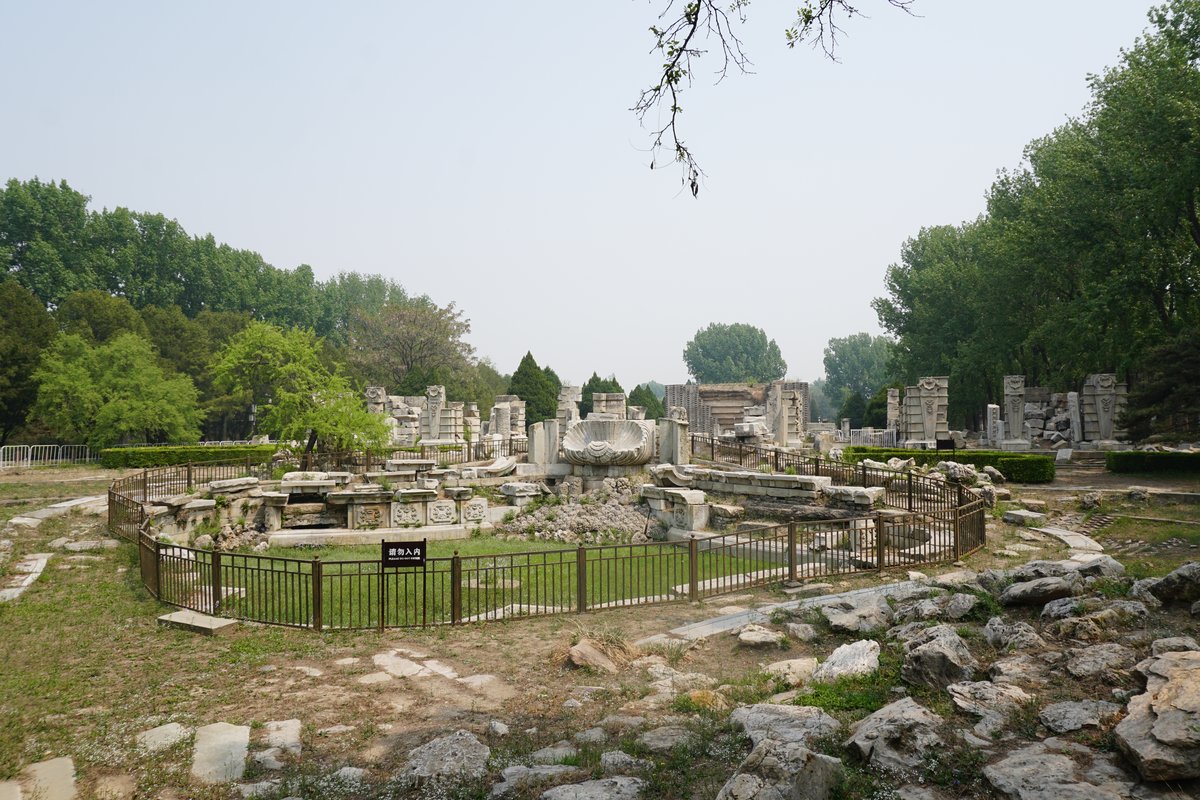
Climb the Great Wall at Badaling or Mutianyu and look out over mountains and rivers from the ridge line, savouring the pride behind the saying that only a true hero reaches the Great Wall; then turn to the modern landmarks of the Bird's Nest and Water Cube for the new face of a double-Olympic host city. Among the lake and hills of the Summer Palace and the ruins of the Old Summer Palace, read both the splendour and the sigh of the imperial gardens; move through the sacrificial culture of the Temple of Heaven and the deep-household legends of Prince Gong's Mansion to trace the city's historical threads. On the final day, wake naturally, take away a piece of Beijing that is yours alone, and let a private transfer to the station or airport bring the journey to a close.
01
Step into the ancient imperial palace
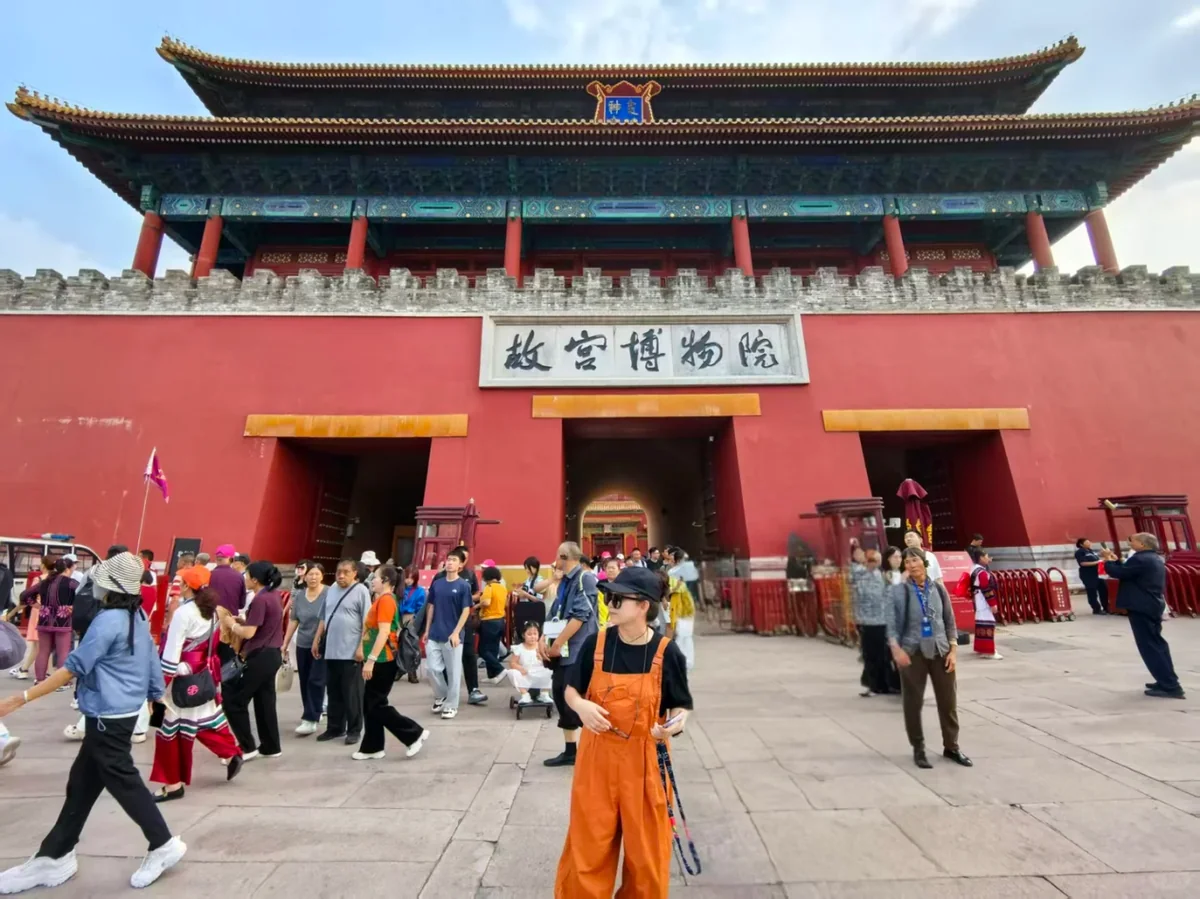
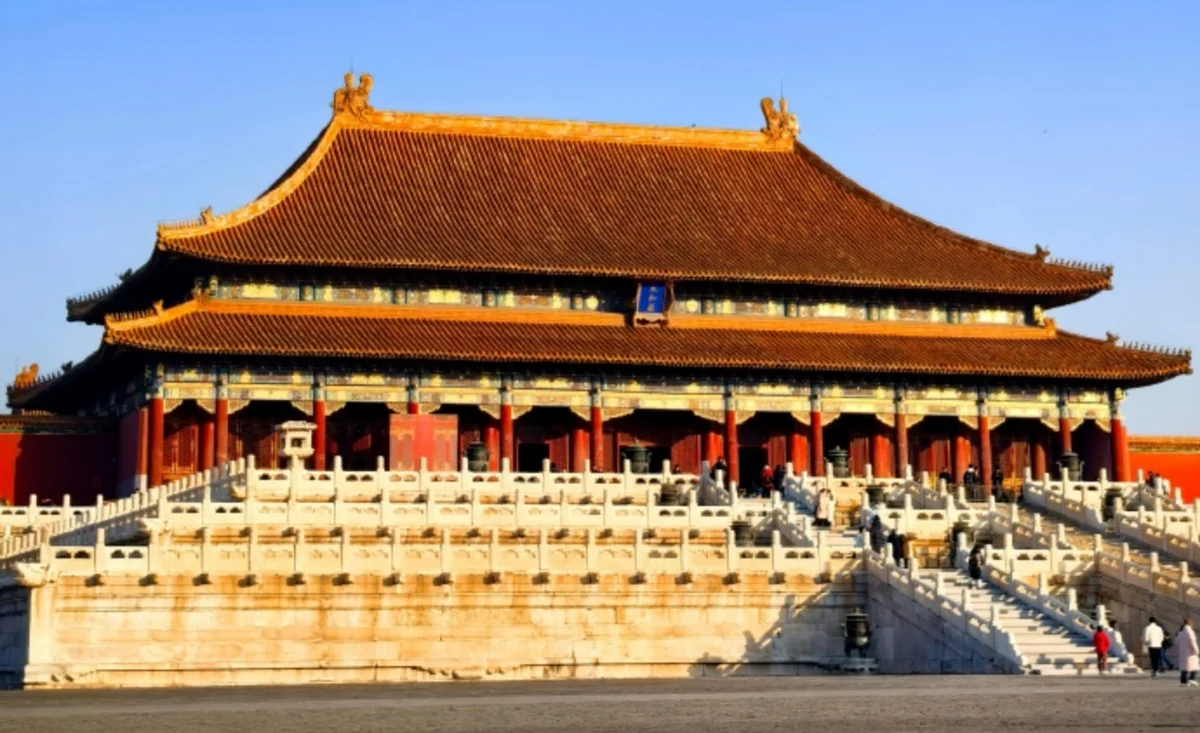
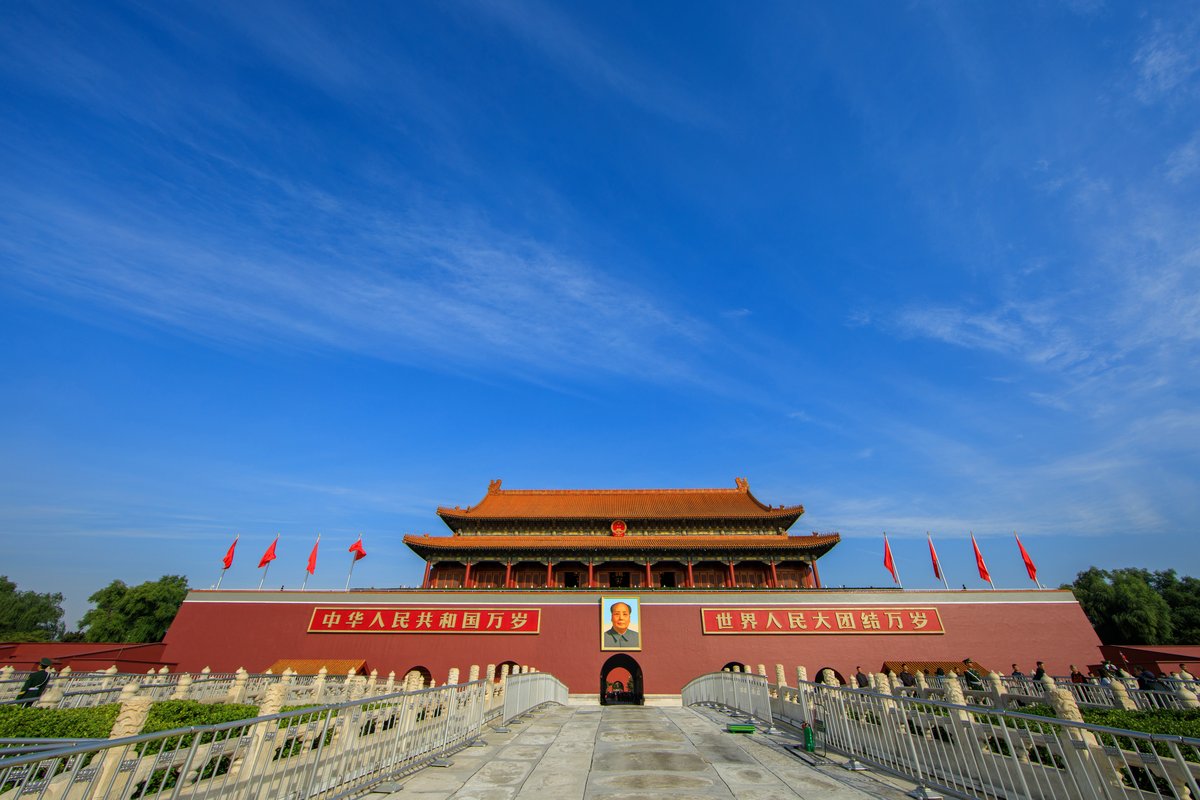
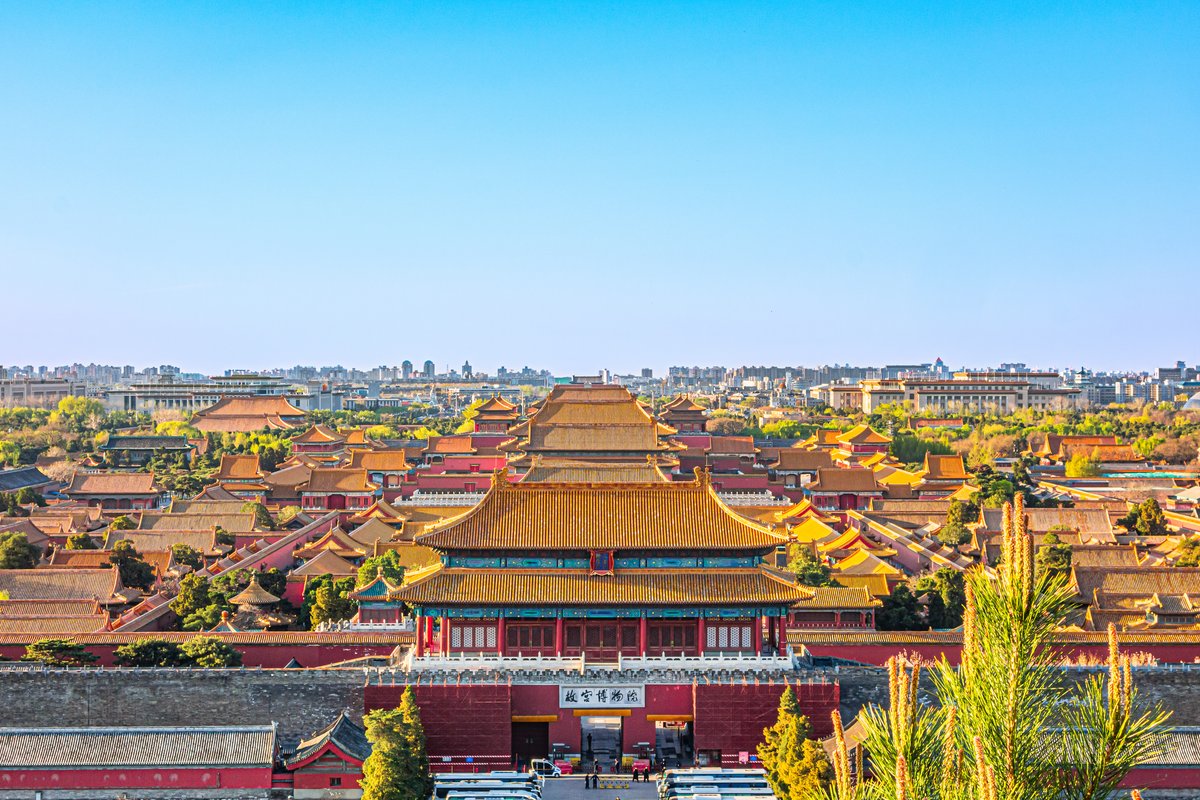
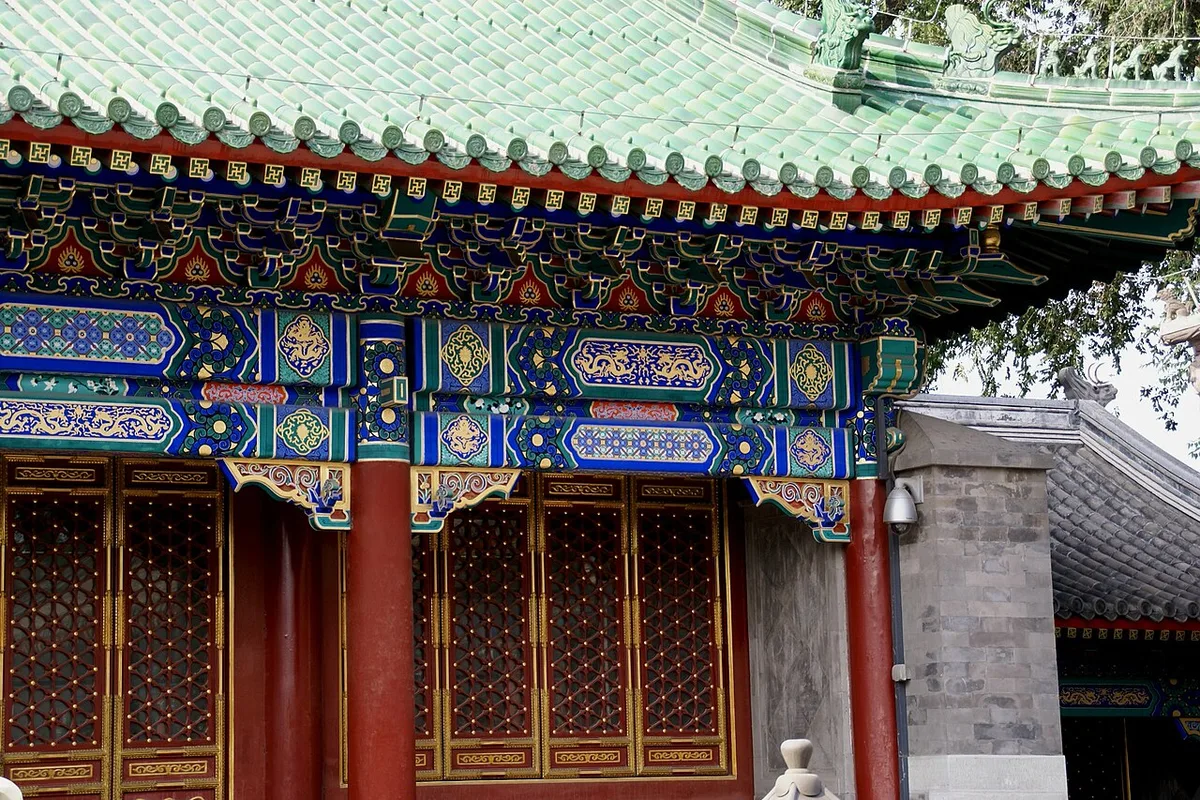
Wander the heart of Beijing at Tiananmen Square, then enter the Forbidden City and see where emperors of the Ming and Qing lived and worked. Red walls and golden tiles make a magnificent impression — the most direct first stop for understanding Chinese history. From Meridian Gate to the Hall of Supreme Harmony, follow the central axis north through the halls where emperors were enthroned, held ceremonies and lived. Layer upon layer of red walls and golden tiles, set against the corner towers and the moat, make this the stop no first visit should skip.
02
The Hall of Prayer for Good Harvests — a marvel without a single nail
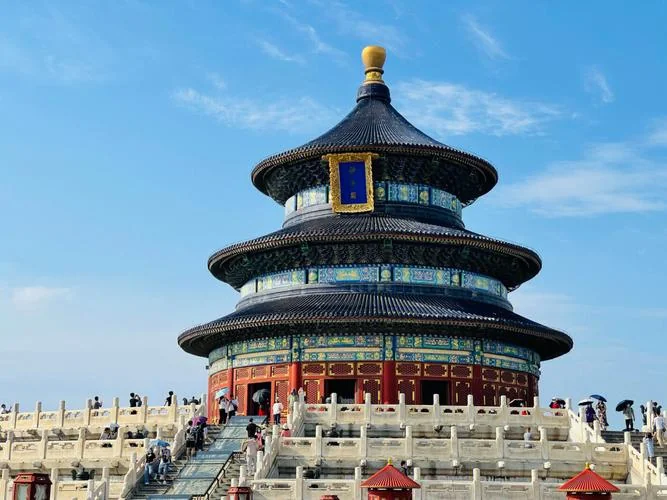
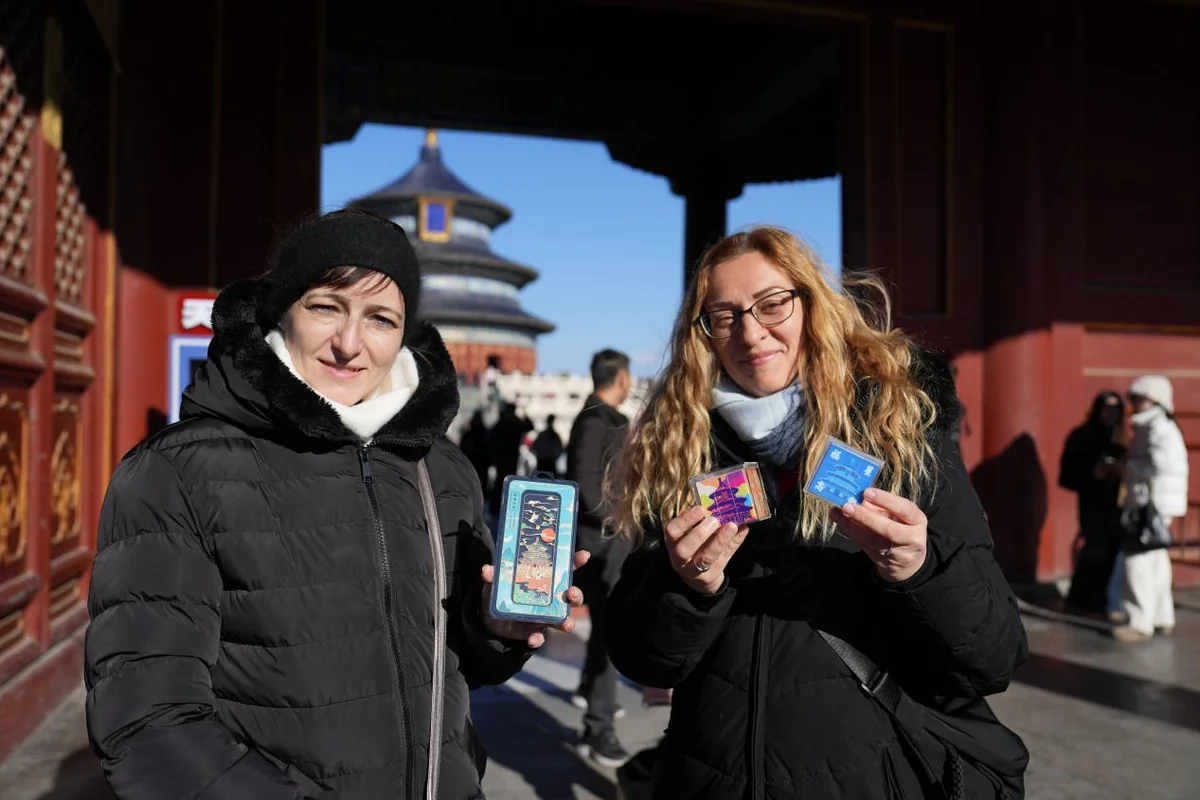
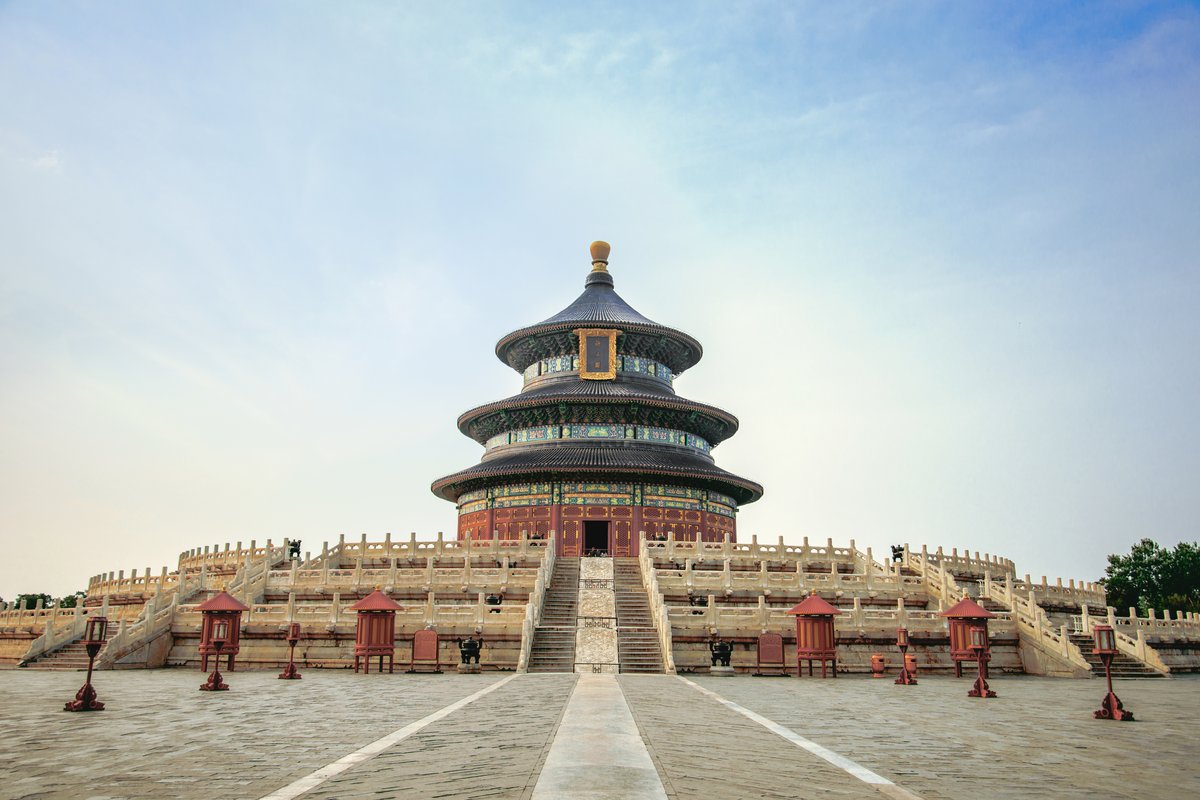
The Hall of Prayer for Good Harvests is the emblem of the Temple of Heaven, with its three tiers of blue glazed tiles rising in a solemn, generous dome. The entire hall is assembled from timber mortise-and-tenon joints without a single iron nail. Visitors can admire Chinese timber construction at its most accomplished and feel the aesthetics of Eastern architecture close up. Standing on the Circular Mound Altar, the whole complex unfolds around the ancient cosmology of a round heaven and square earth, the old imagining of heaven made fully concrete.
03
Stroll the emperors' back garden
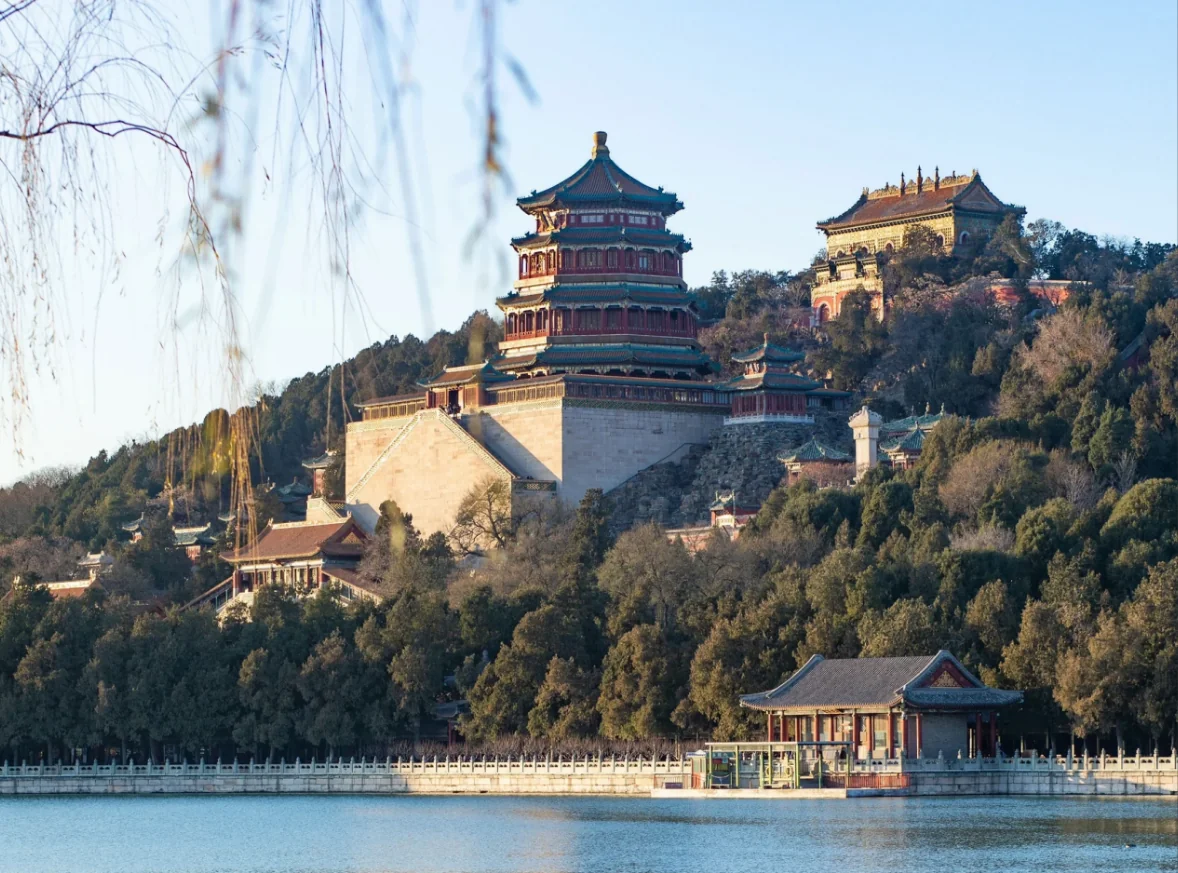
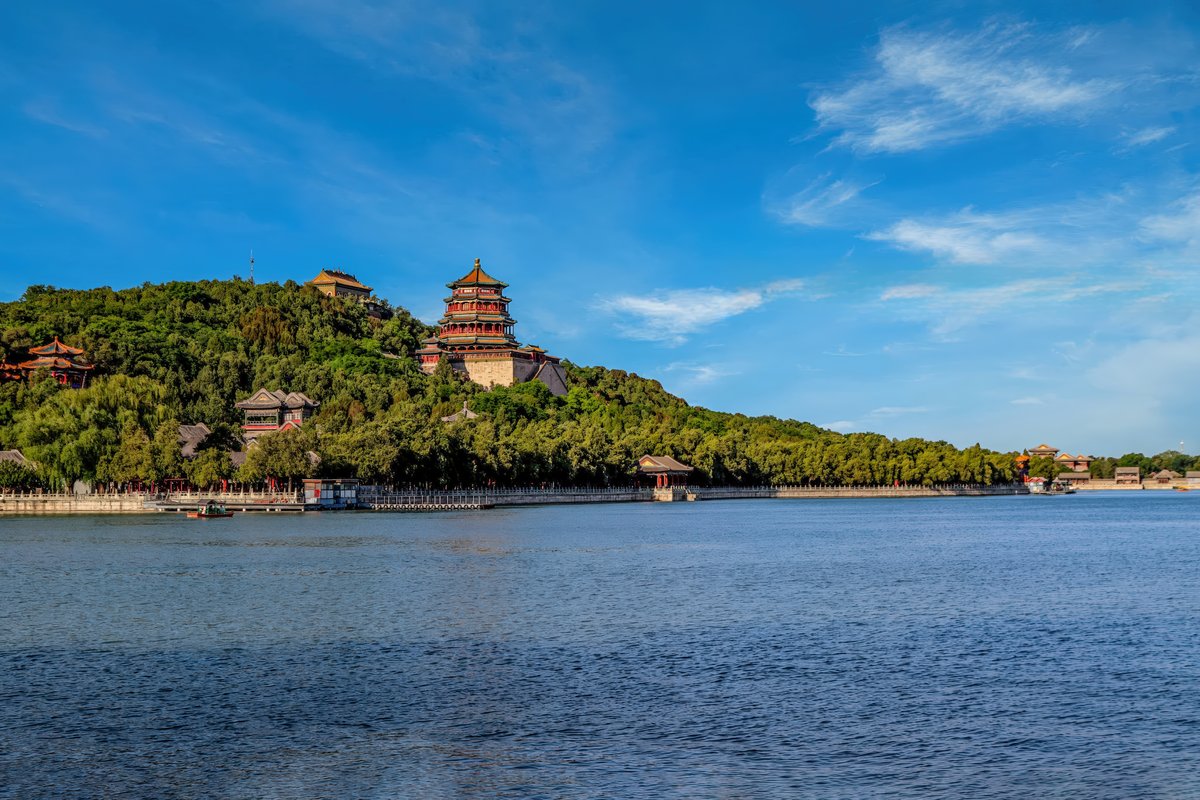
The Summer Palace is the largest and best-preserved imperial garden in China and a World Cultural Heritage site. Originally a Qing-dynasty imperial palace and garden, it has lake, hills, pavilions and terraces in abundance and is known as a museum of imperial gardens. From Kunming Lake to Longevity Hill, walk slowly along the Long Corridor as water and hills meet pavilions one after another; climb the Tower of Buddhist Incense for the whole panorama, and you understand the name.
04
Taste Beijing's signature dish, a favourite with international visitors
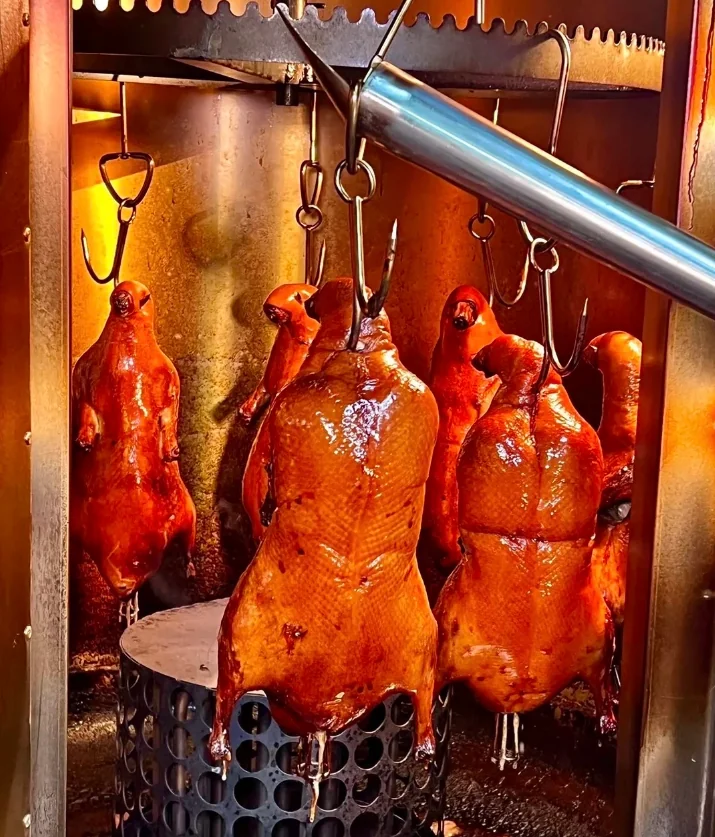
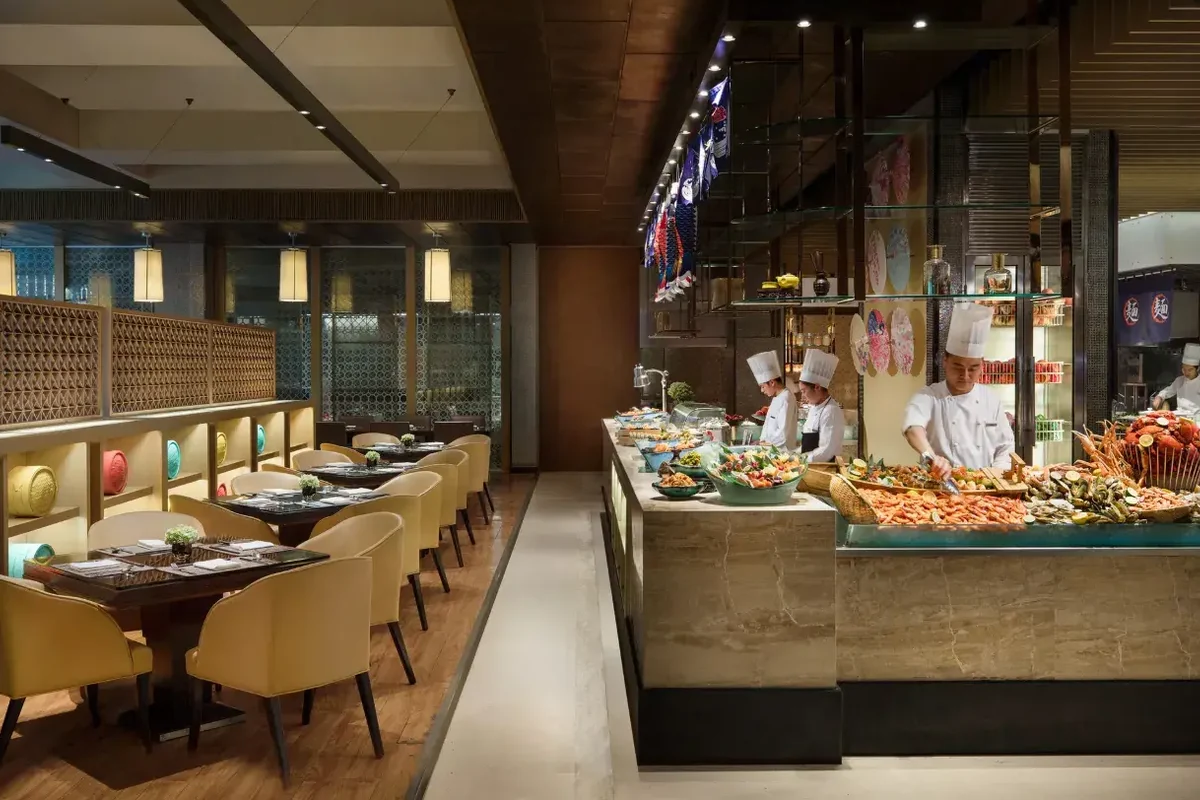
The highest honour in Beijing dining. A chef carves the duck at the table, and you roll the meat with spring onion and sweet bean sauce in a thin pancake for a mouthful of fragrance. It is one of the Chinese dishes most familiar and most approachable for international visitors. At a century-old establishment the chef carves at the table, separating crisp skin from meat and plating both; rolled in a thin pancake with spring onion and sweet bean sauce, it is rich but never greasy, and the most memorable Chinese meal for many visitors.
05
Stand on the Great Wall — a world-class experience
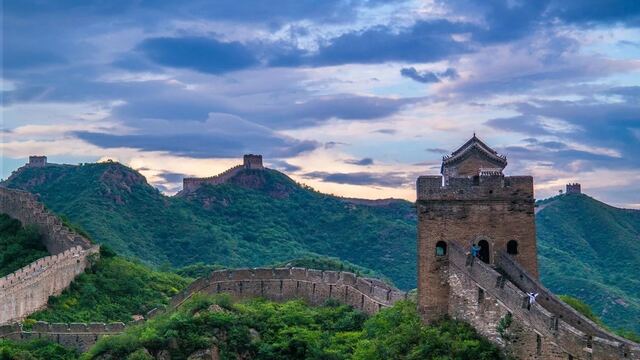
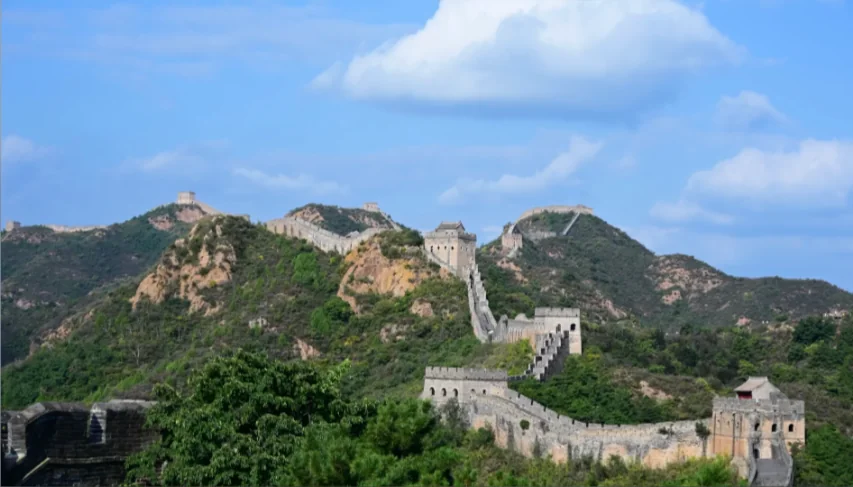
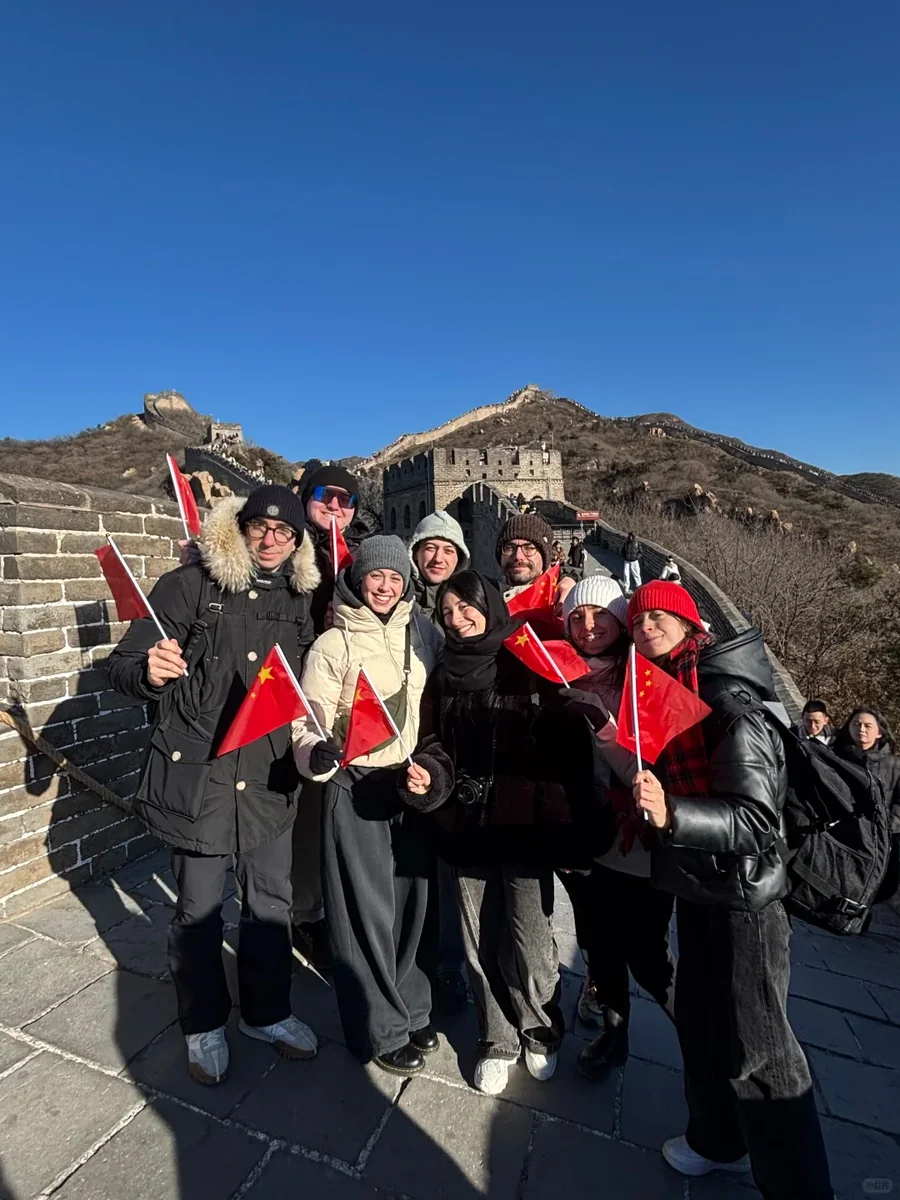
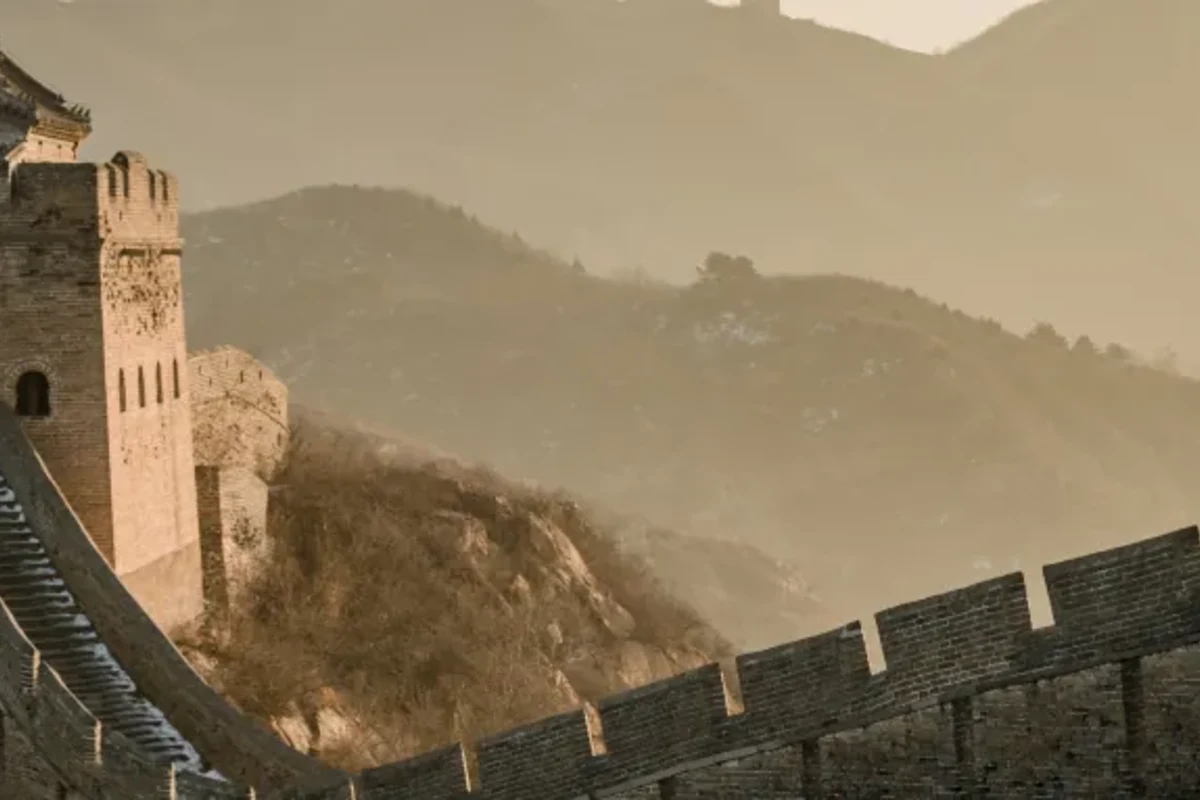
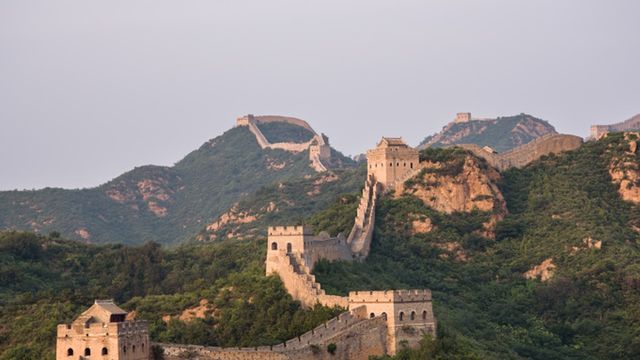
The Great Wall is the greatest ancient defensive work in the world and one of China's most famous World Cultural Heritage sites. The itinerary offers a choice of Badaling or Mutianyu so you can decide what suits you, then stand on the ramparts and feel this human marvel straddling the mountain ridges. Badaling is grand and highly accessible; Mutianyu is thickly wooded and quieter. From the wall, ridge lines rise and battlements wind away, and the pride behind the saying about true heroes surges up (cable car and toboggan at your own expense).
06
Duck into grey-brick lanes for the most down-to-earth Beijing
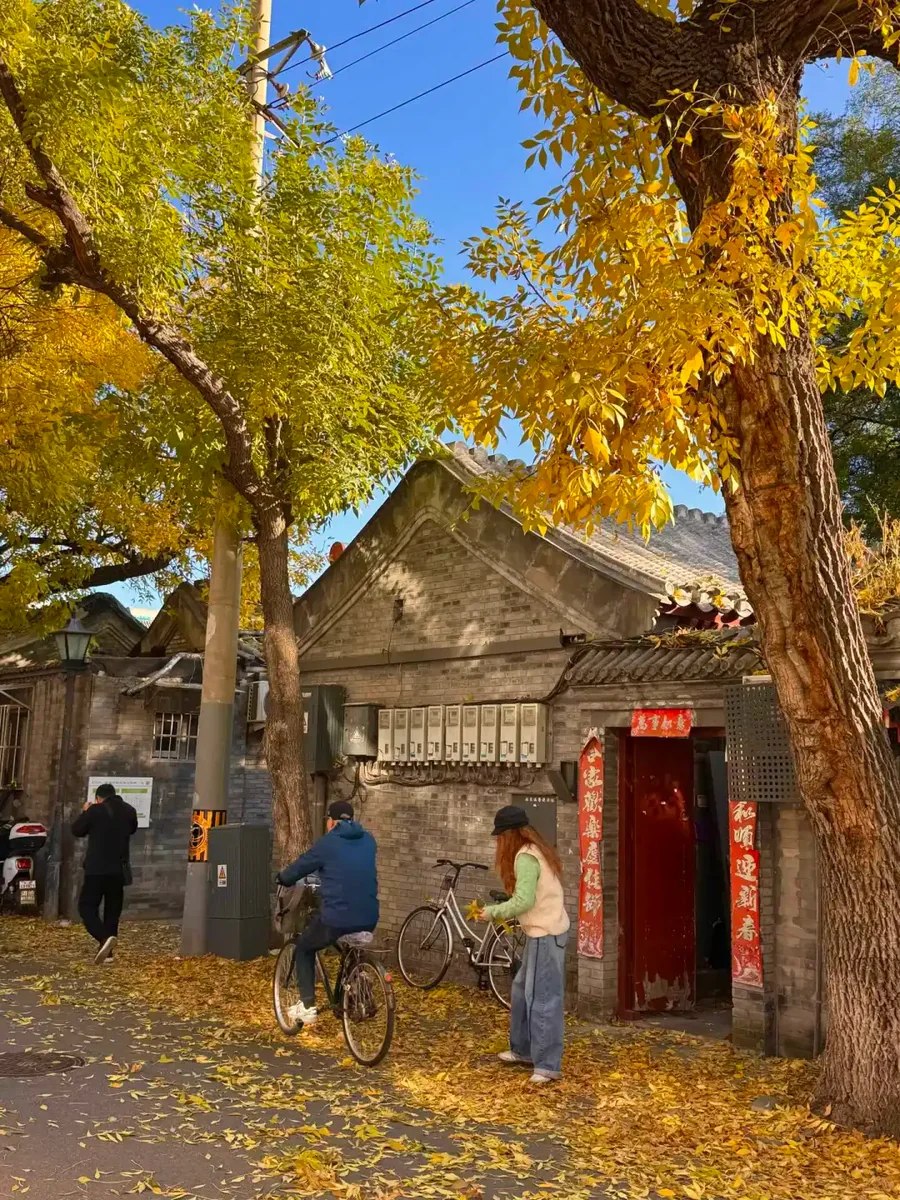
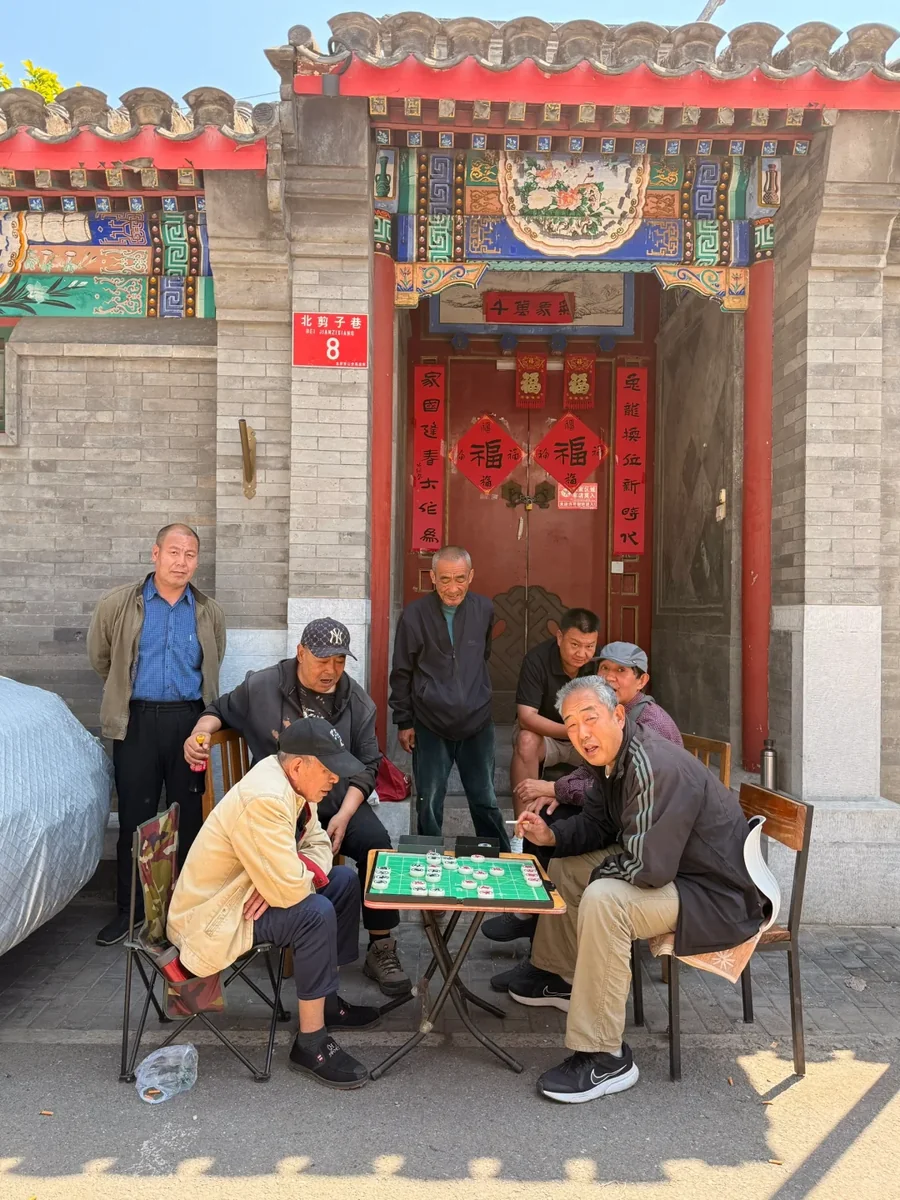
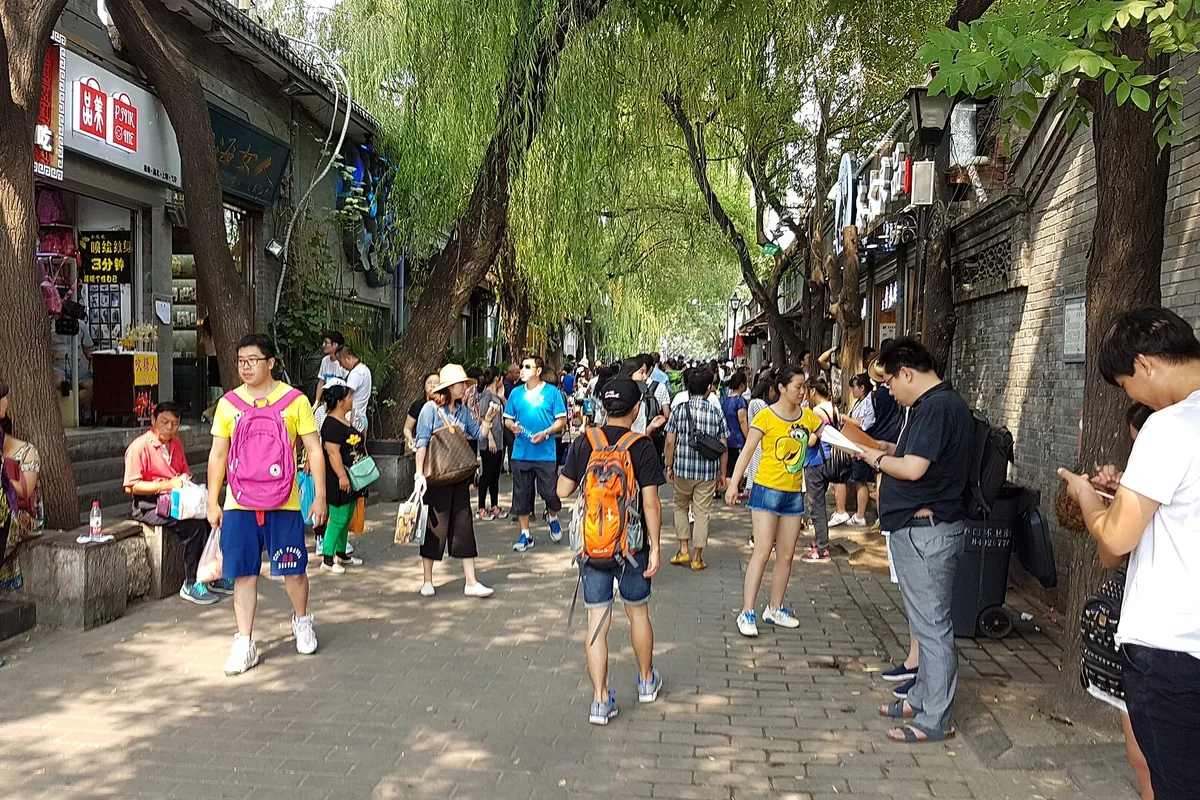
Hutongs are Beijing's distinctive urban fabric and the real stage of old Beijing life. The areas around Shichahai and Nanluoguxiang preserve whole stretches of traditional lanes and courtyard houses. Leave the wide arterial roads and step into the long, narrow alleys, grey walls and tiles on both sides and green trees overhead, and you feel Beijing at its most grounded at once. Turn into a small lane and you may hear pigeon whistles, catch the aroma of zhajiangmian and see elderly residents playing chess at their doorways — this is the real everyday life of old Beijing.
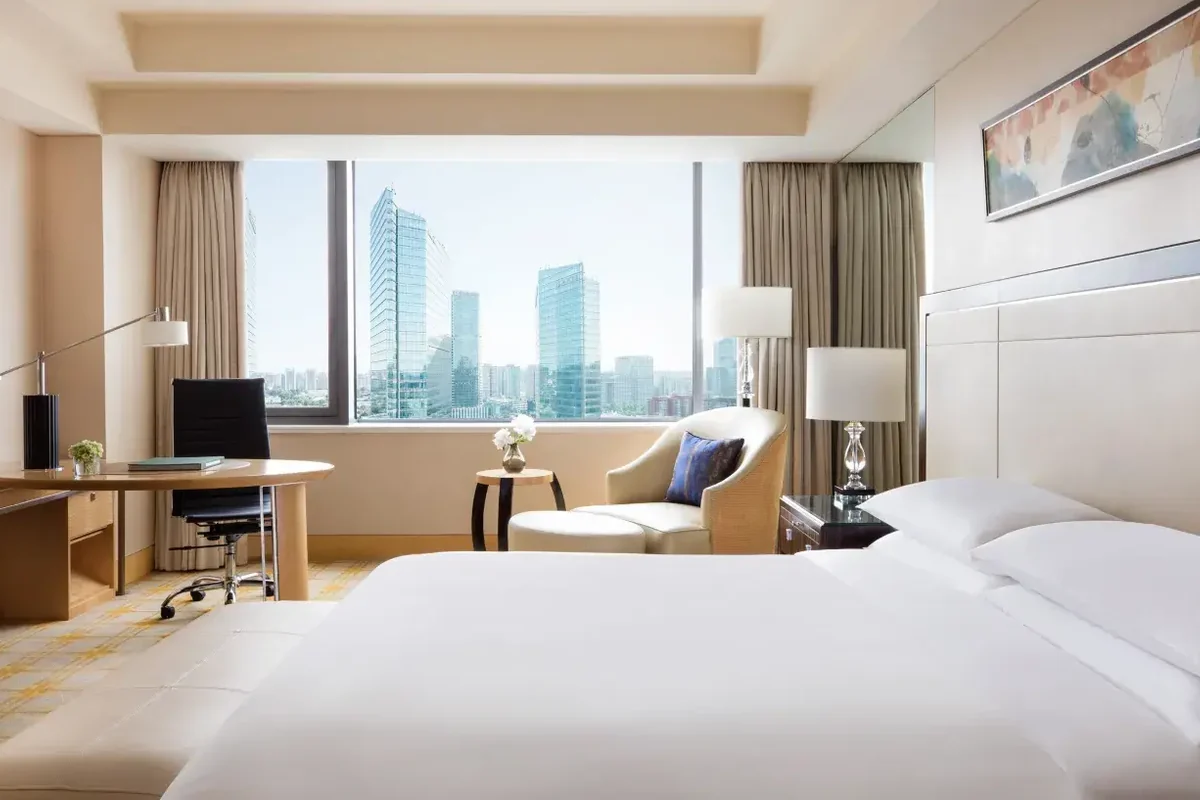
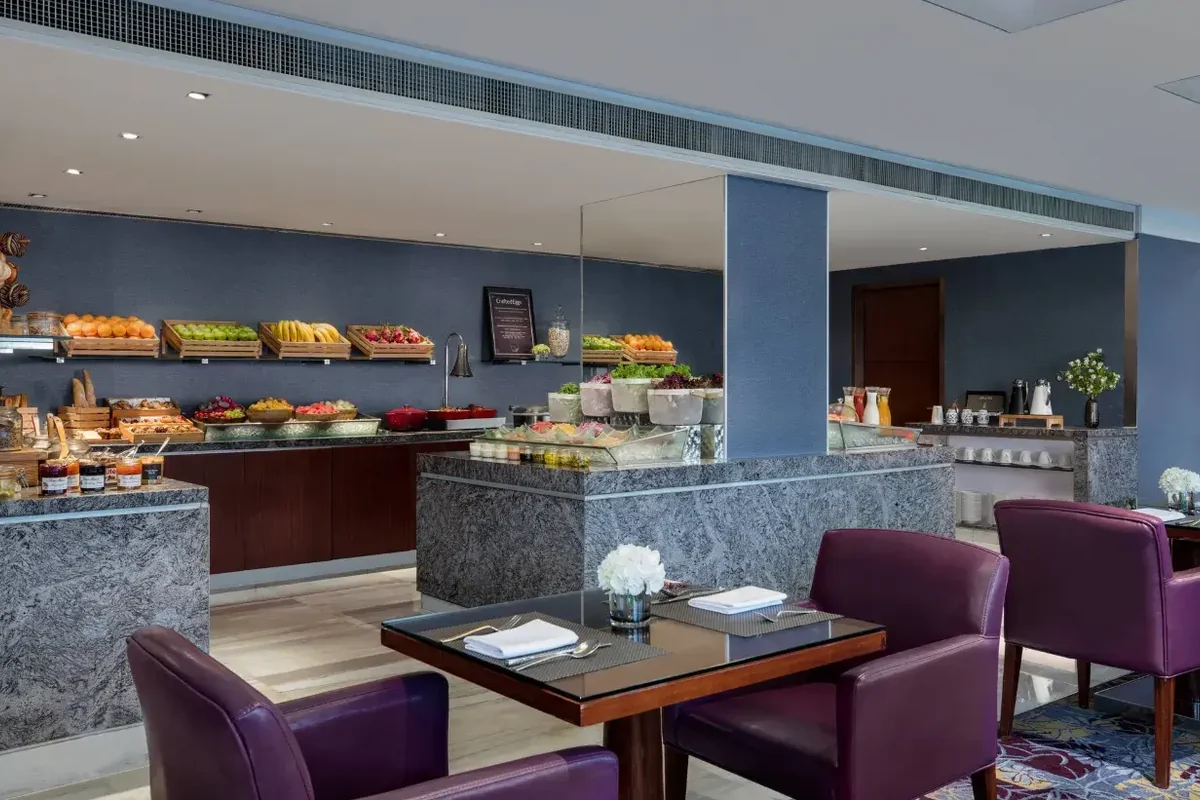
Four-star equivalent rooms throughout, clean and well equipped. Different room types can be arranged on request, and every room includes daily breakfast.