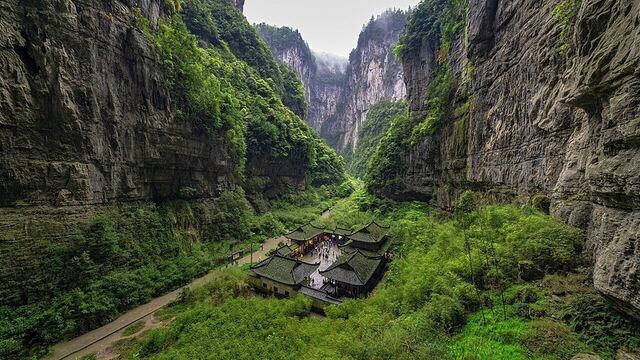
This Chongqing journey packs the vertical romance of an eight-dimensional dream city and the pure softness of a winter alpine snowfield into a single itinerary.
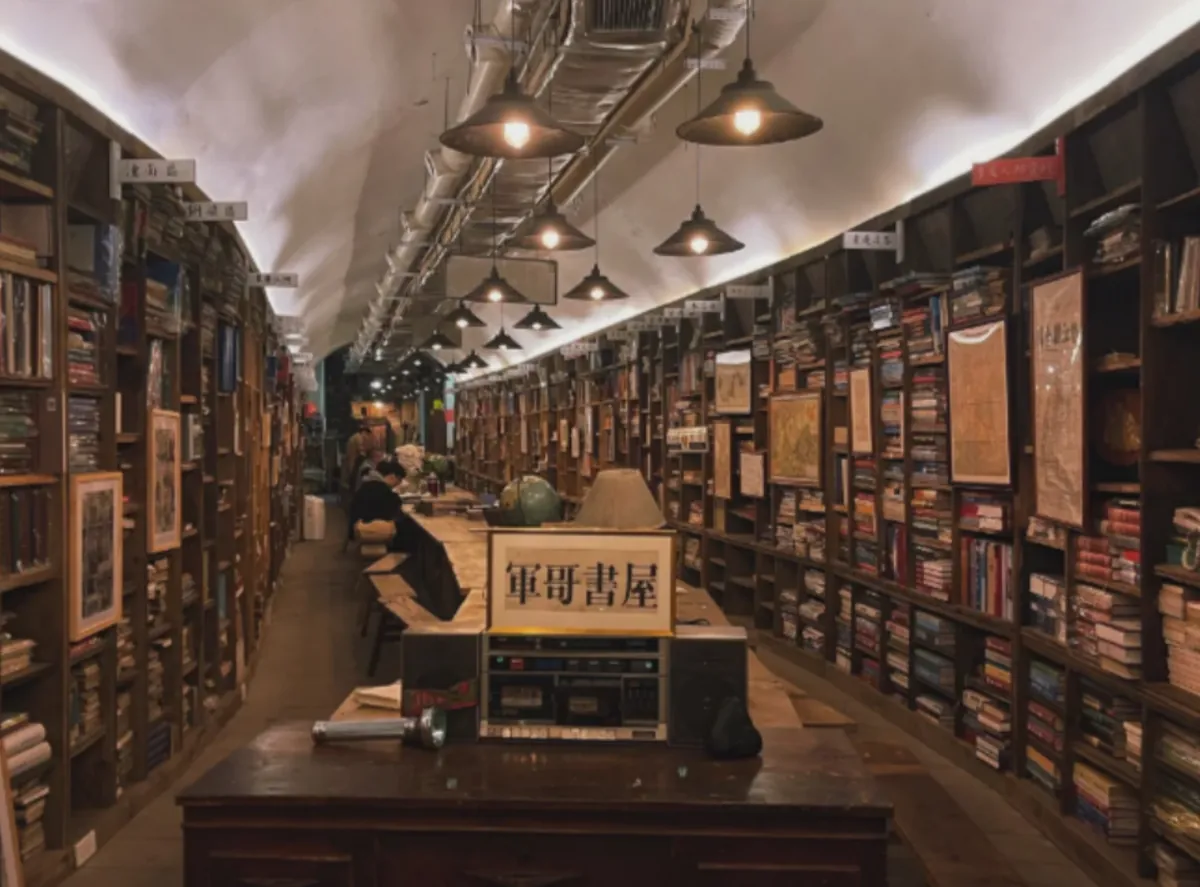
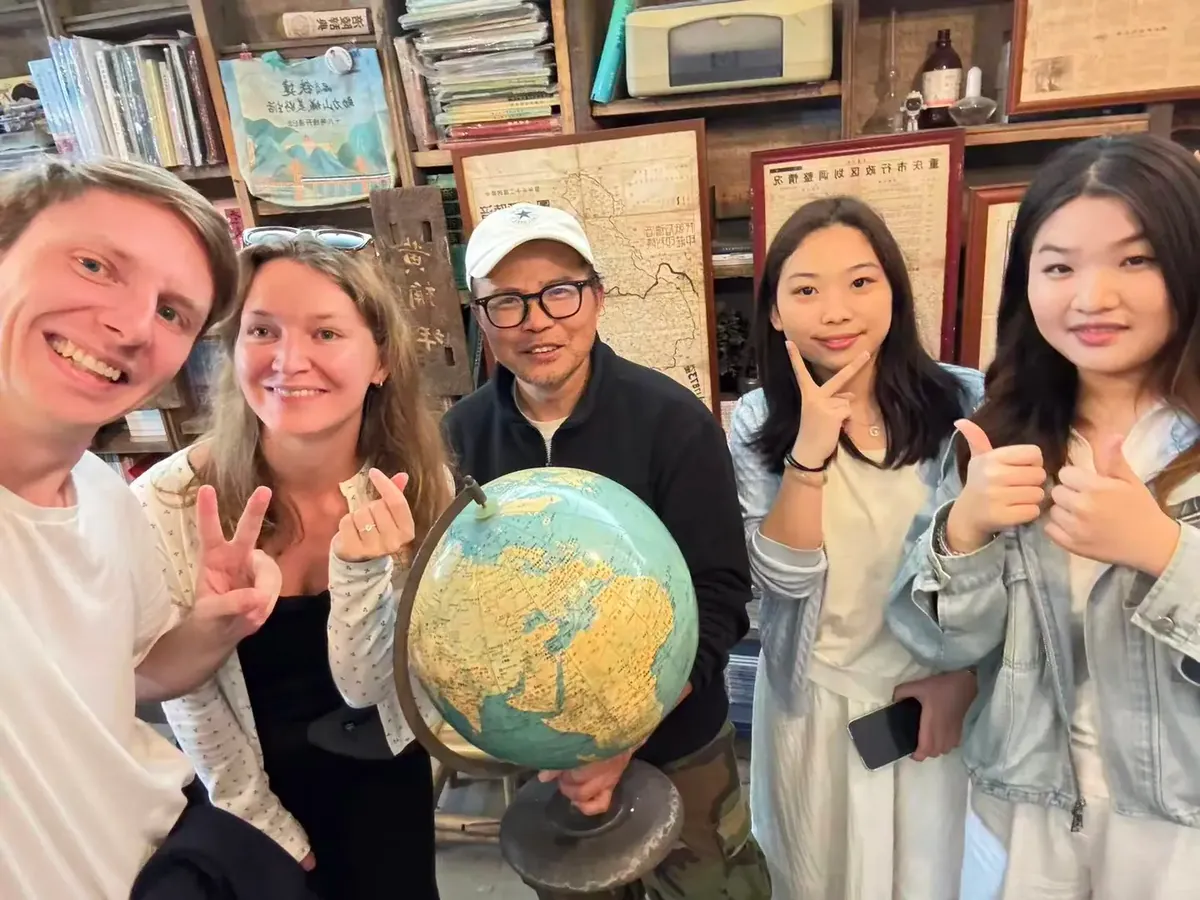
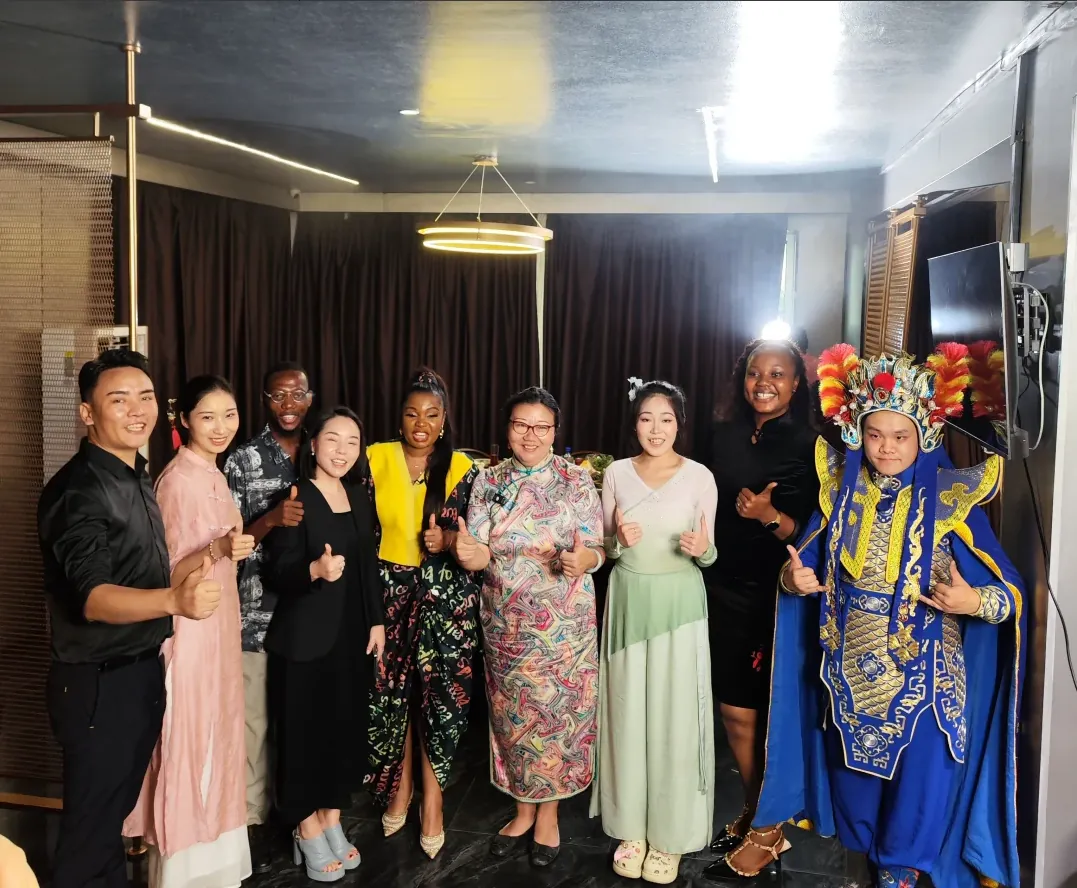
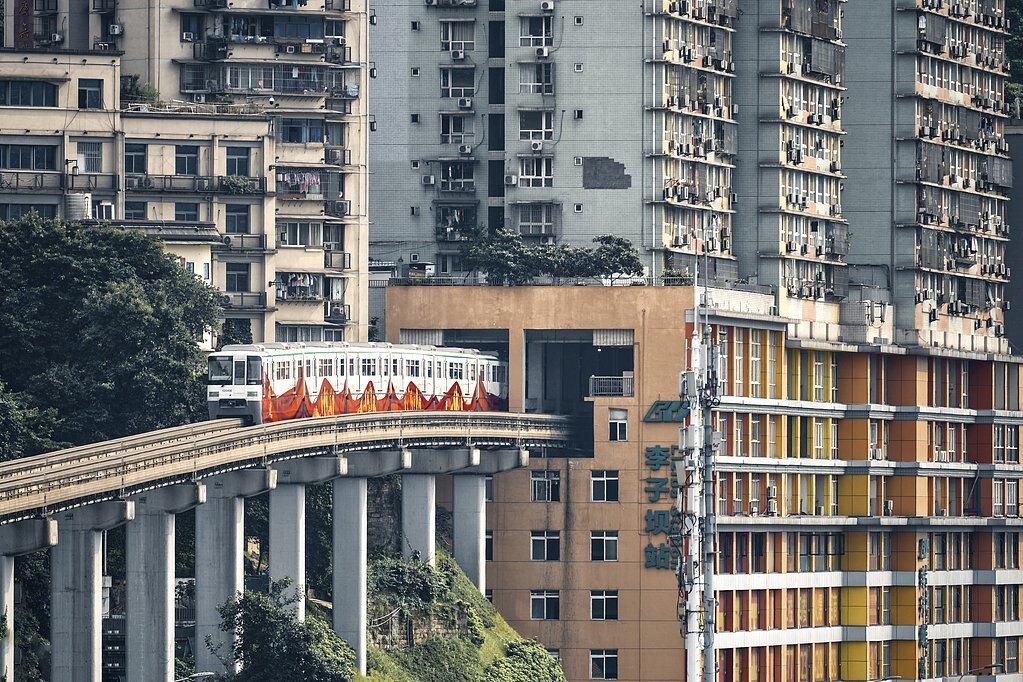
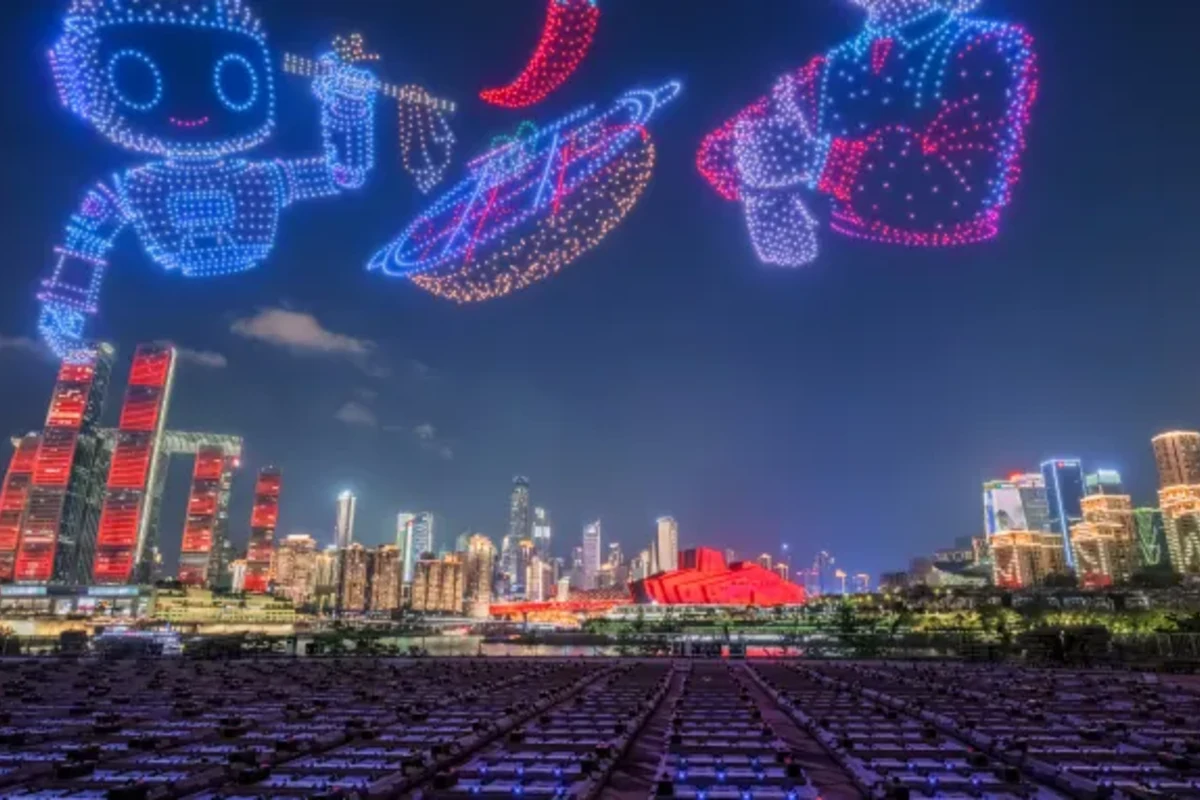
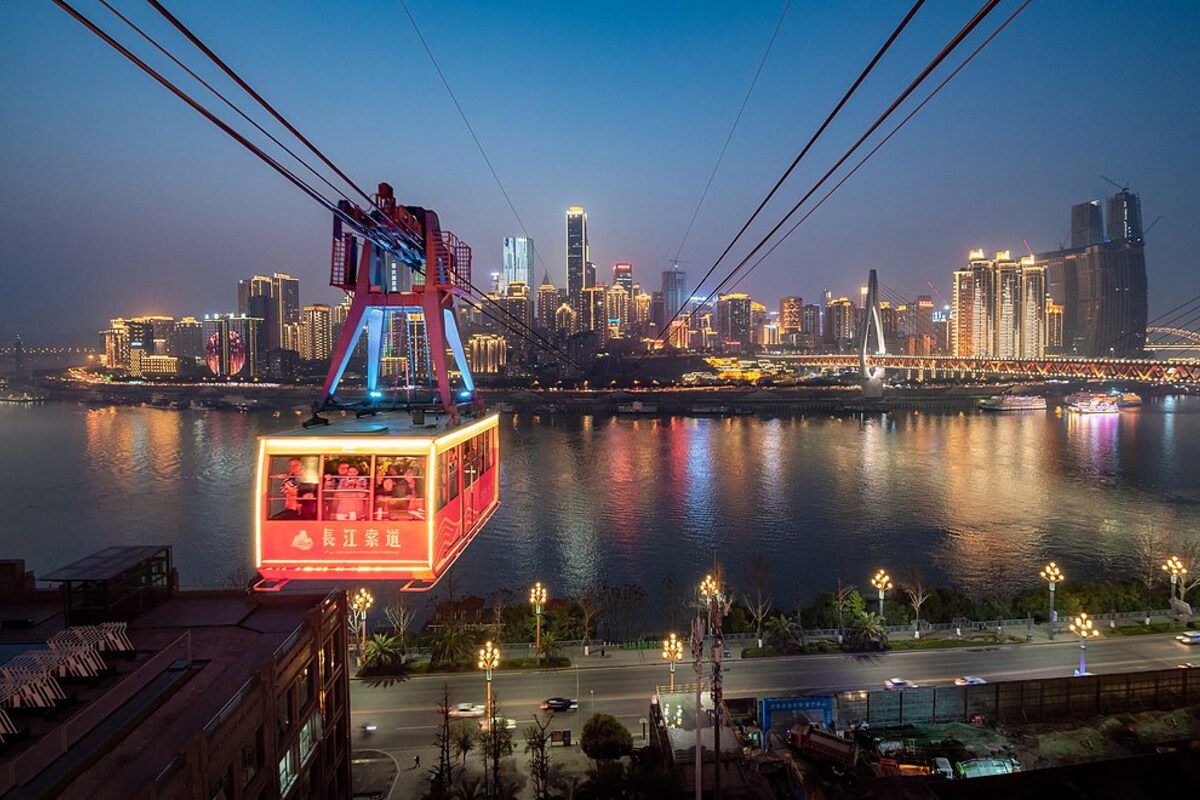
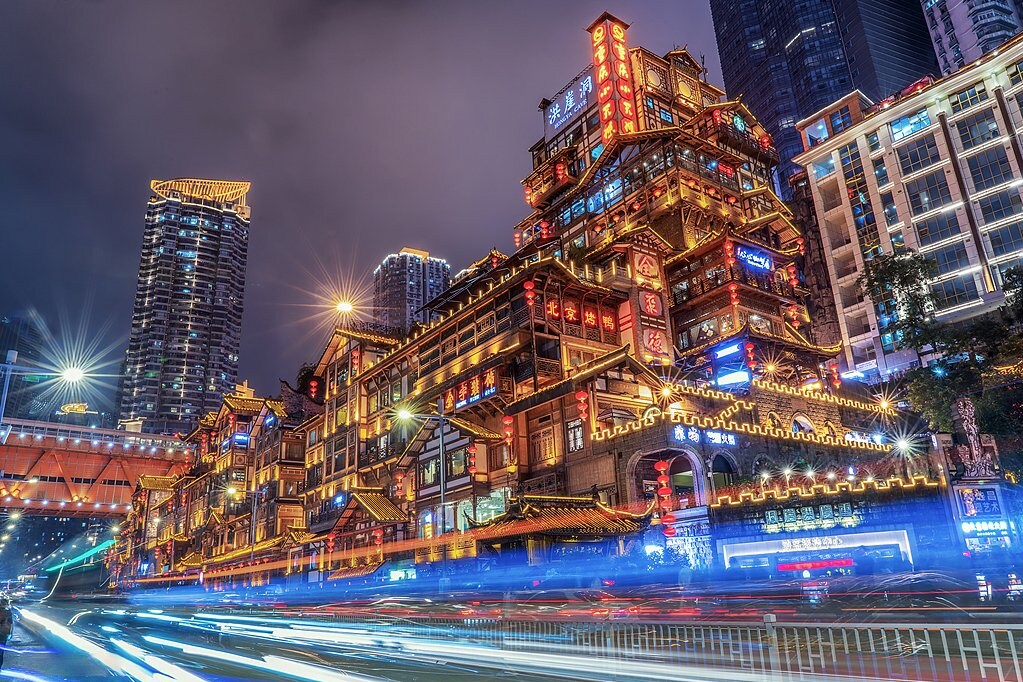
A private transfer meets you on arrival; after check-in the time is free to begin the Mountain City holiday easily. Watch giant pandas at their most endearing, drop into a teahouse for a bowl of lidded-bowl tea, or visit Junge Bookstore and the mosque for old Chongqing's everyday life and diversity. The artistic Huangjueping graffiti street, the monorail threading a building at Liziba and the drone light show in the river breeze along Nanbin Road lay out the city's verticality and romance at once. Ride the Yangtze River Cableway across the water, hear a spellbinding Sichuan opera performance at the opera museum, then wander Kuixing Tower, the Eighteen Steps old street and the Jiefangbei pedestrian area, finishing amid the brilliant lights of Hongyadong.
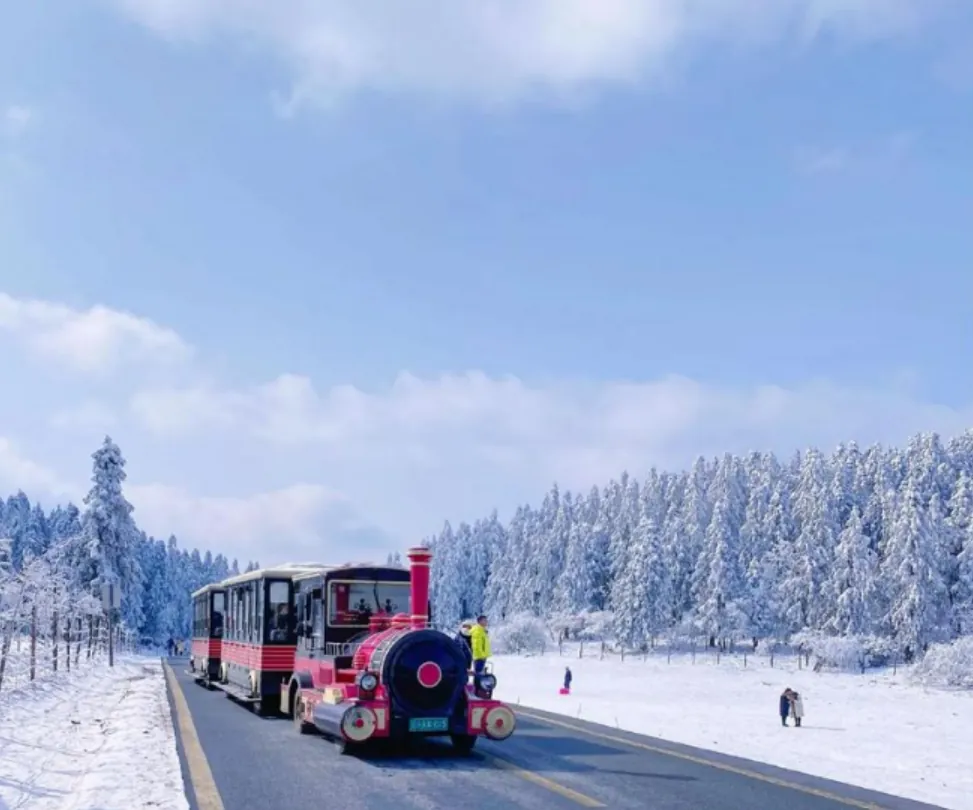
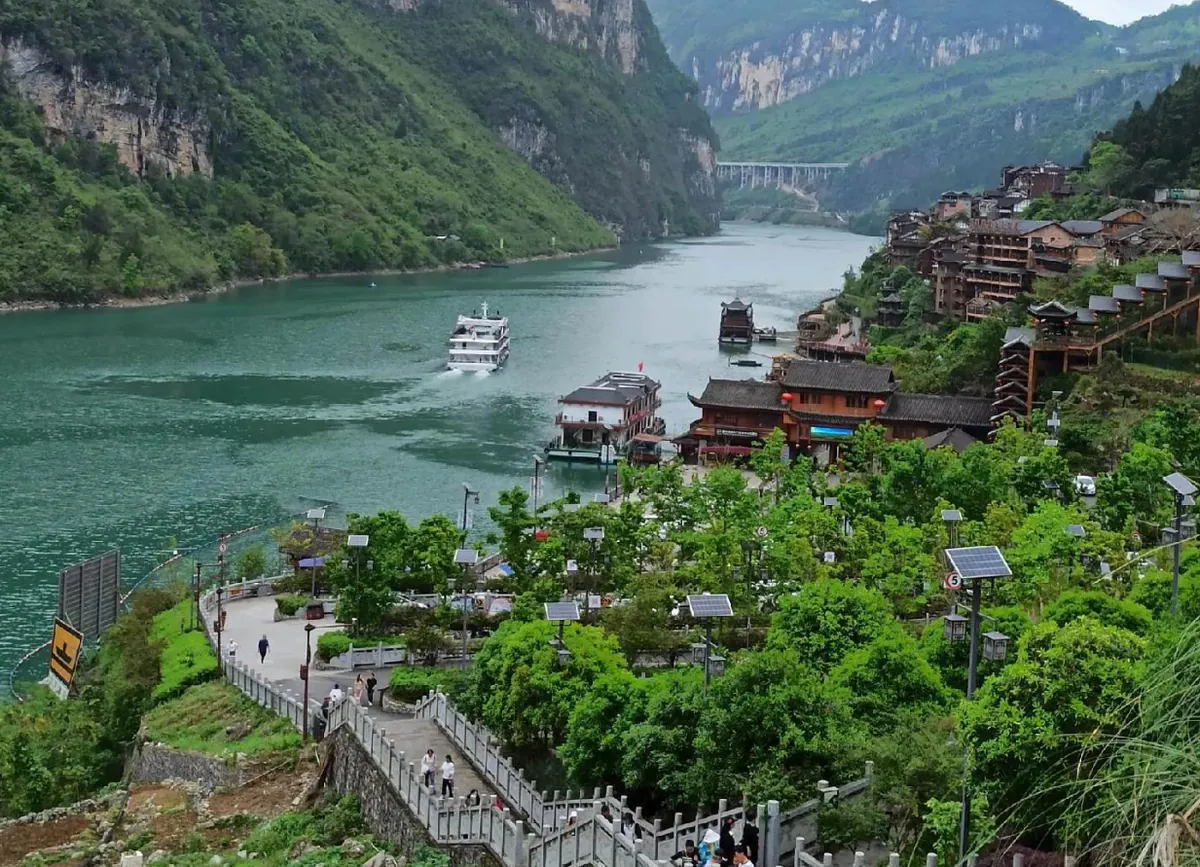
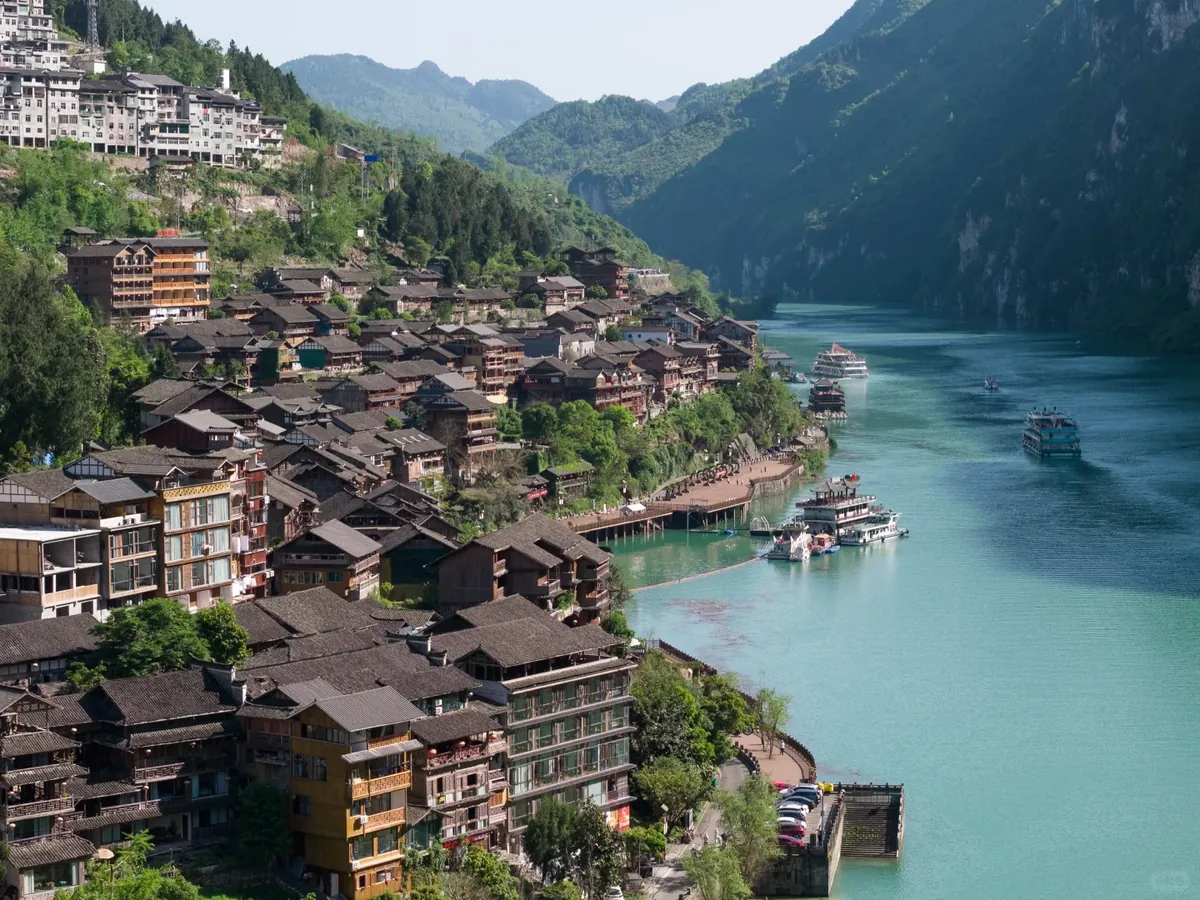
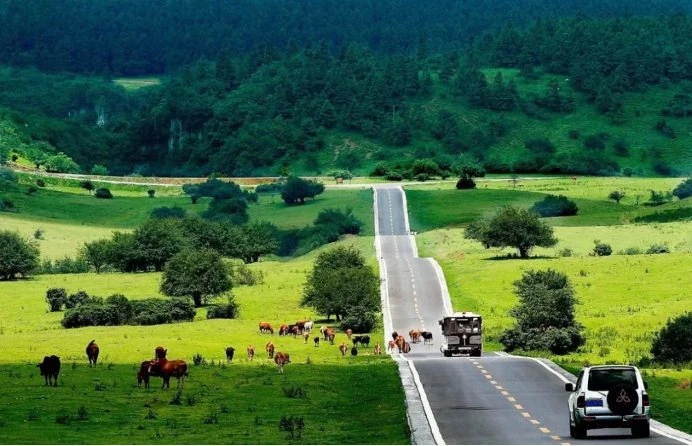
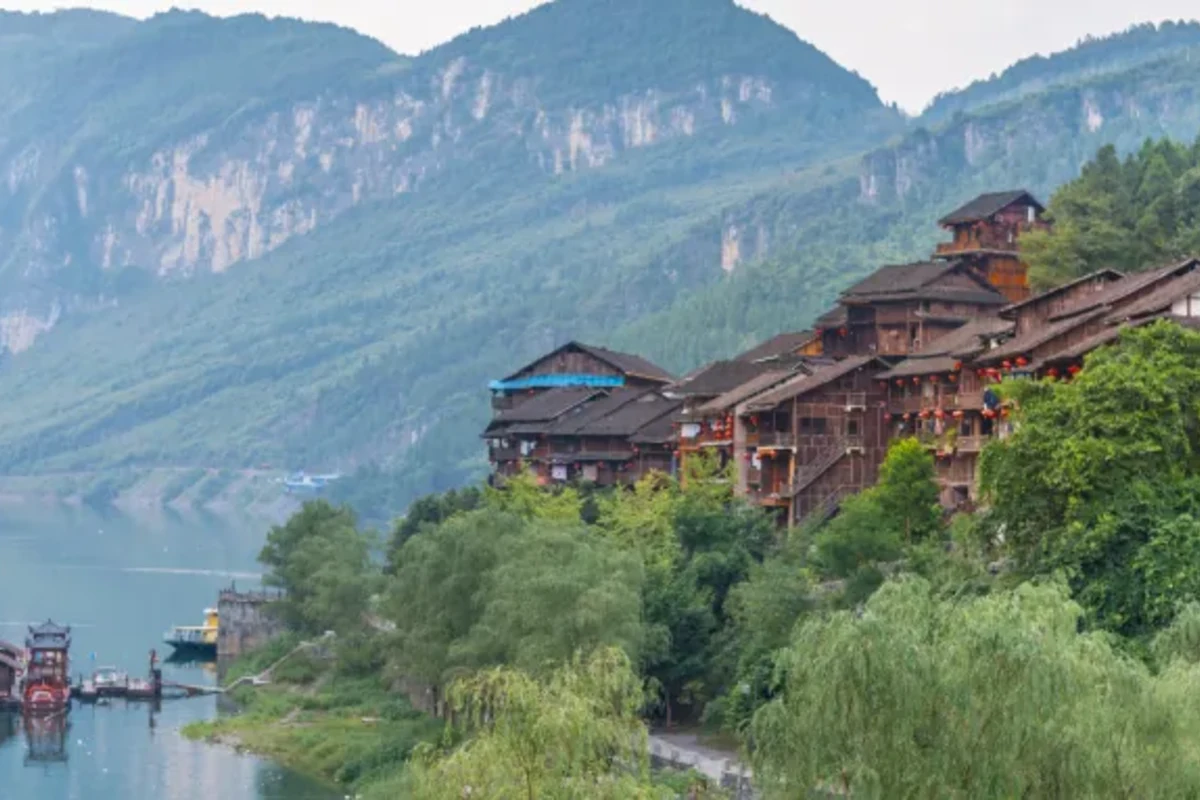
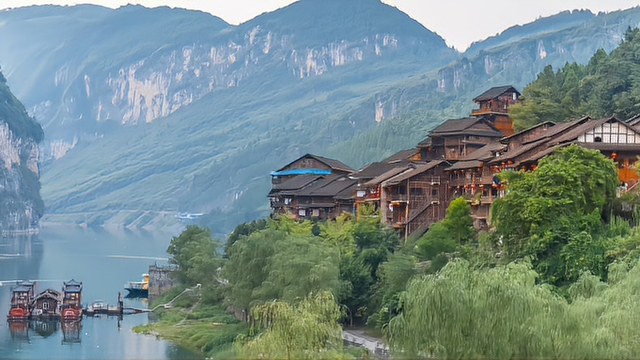
The route then heads south to Xiannv Mountain. In winter Xiannv Mountain National Forest Park is covered in snow — ride the little train through the forest sea, have snowball fights and ride snow tubes, then stay overnight in Xiannvshan Town for the quiet of the mountains. Cruise the Wujiang Gallery past a hundred li of scenery like a painting, stroll Gongtan Old Town for a thousand years of everyday life among the stilt houses and flagstones beside the Wujiang, then return to the Chongqing city area.
A final free day and a private transfer to the airport close out a Chongqing journey with both a fantastical city and winter romance, carrying home the taste of hotpot, the cadence of Sichuan opera, snowfield memories and the morning mist on the Wujiang.
01
A bookstore inside an air-raid shelter — a cultural space unique to Chongqing
Junge Bookstore is in Sanjiaodao Community, Huangjueping Street, Jiulongpo District, converted from a disused air-raid shelter. Air-raid shelters are a distinctive urban imprint left by Chongqing in the war years of resistance — warm in winter and cool in summer, with a naturally composed atmosphere. Inside, a low arched dome sits overhead, shelves packed with books line both sides, and sunlight falls through the glass tiles at the entrance onto yellowed spines; the whole space is quiet and warm. For visitors this is not merely a bookshop but a place to feel the city's texture directly.
02
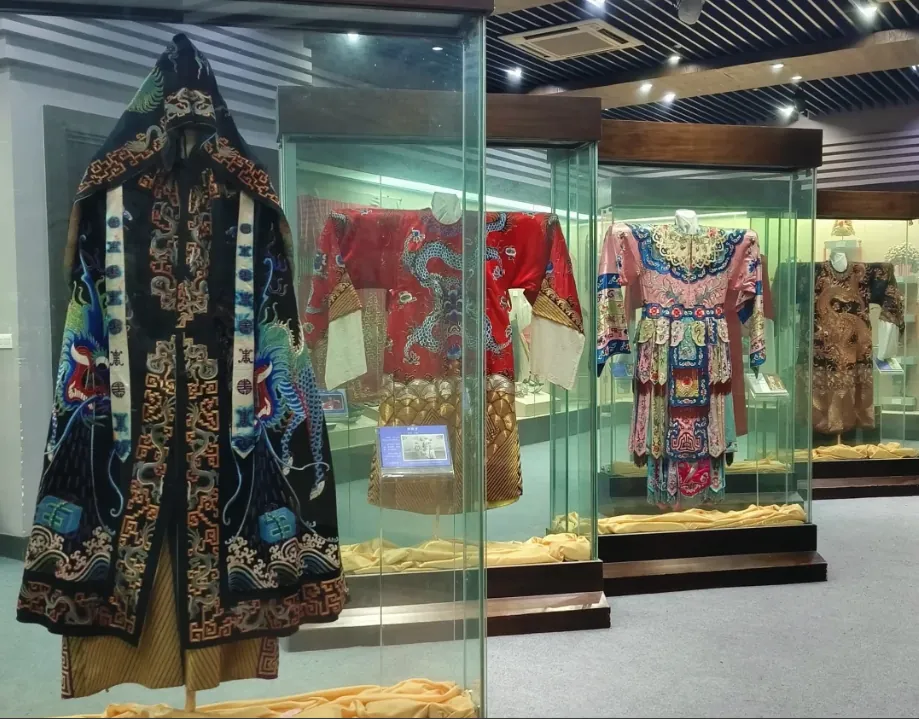
The city's only museum devoted to opera, holding the whole story of Sichuan opera
The Chongqing Sichuan Opera Museum is inside the Chongqing Sichuan Opera Theatre at 2 Jinshan Avenue, Yubei District, the city's only specialist opera museum, opened in 2012. It has four exhibition areas covering artistic treasures, the Bayu homeland, Sichuan opera luminaries and Bayu charm, displaying over 500 photographs and nearly 1,000 objects from a collection of more than 4,000 items, including close to 200 valuable relics. From the origins of Sichuan opera and the evolution of its vocal styles, through the role system of sheng, dan, jing, mo and chou, to costumes, instruments, face painting and scripts, the whole trajectory of the art form becomes clear at a glance.
03
Ground floor a plaza, 22nd floor also a plaza — a textbook of Chongqing's fantastical topography
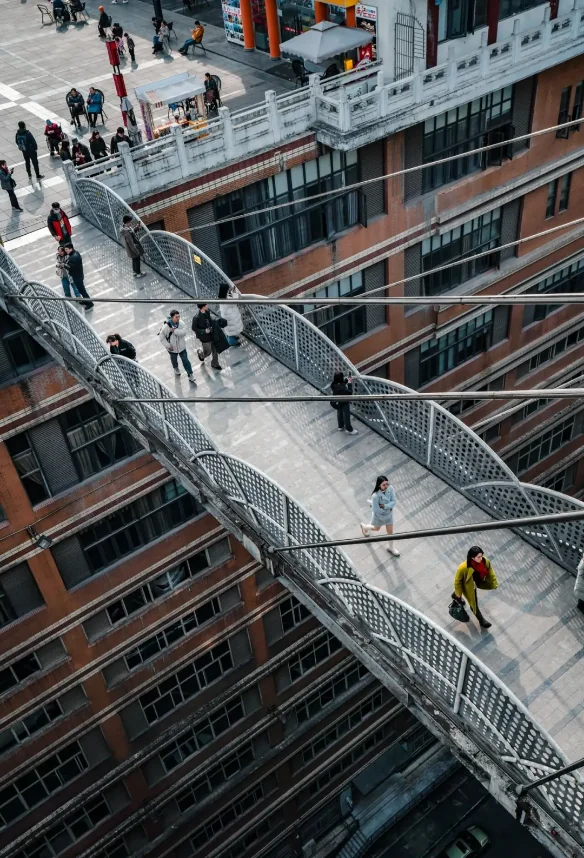
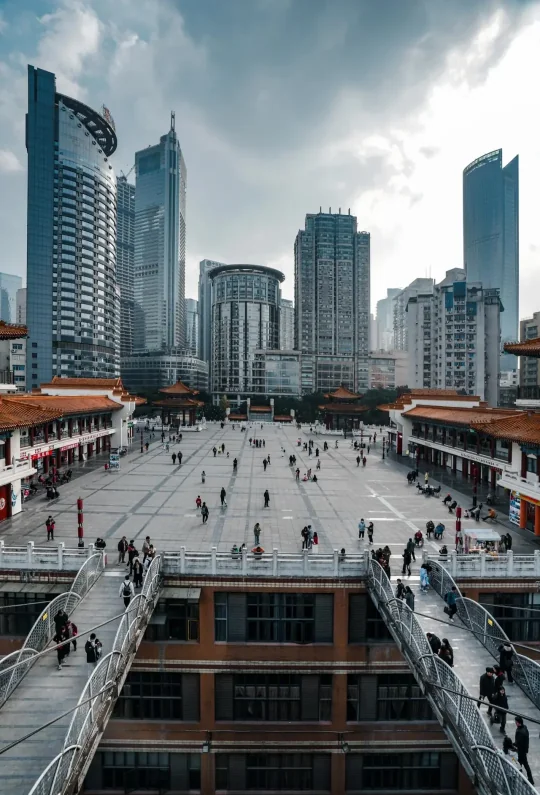
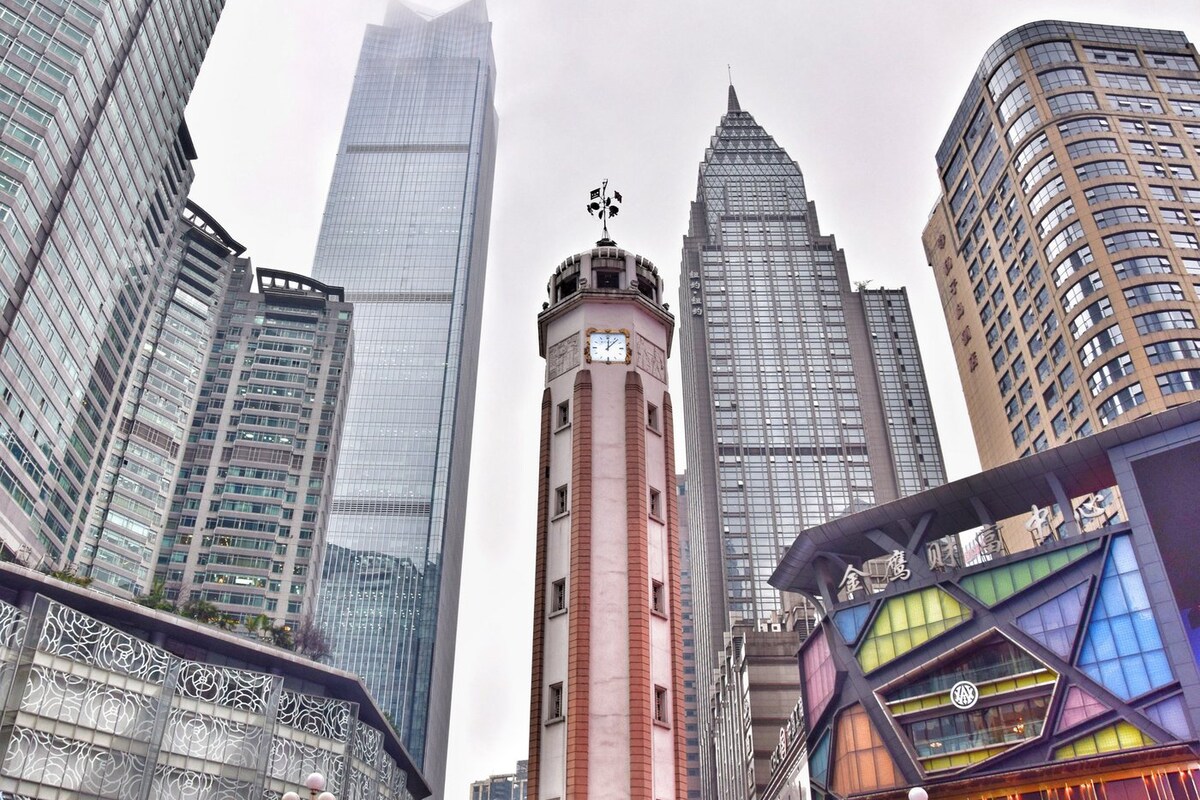
Kuixing Tower stands at Linjiangmen in Yuzhong District, also known as Kuixing Pavilion, and is one of Chongqing's most representative eight-dimensional landmarks. What disorients visitors most is that it overturns all common sense about floors: entering from the ground-level plaza, you believe you are on the first floor; take the lift straight to the 22nd and the doors open onto another open plaza with traffic and pedestrians passing exactly as below. Even foreign ministry spokesperson Mao Ning promoted it on overseas social media, writing about visiting the incredible Kuixing Tower where the first floor is also the 22nd. Many visitors stand on the platform checking repeatedly before believing that the flat ground underfoot is in fact dozens of metres in the air.
04
The great grassland becomes a snow playground
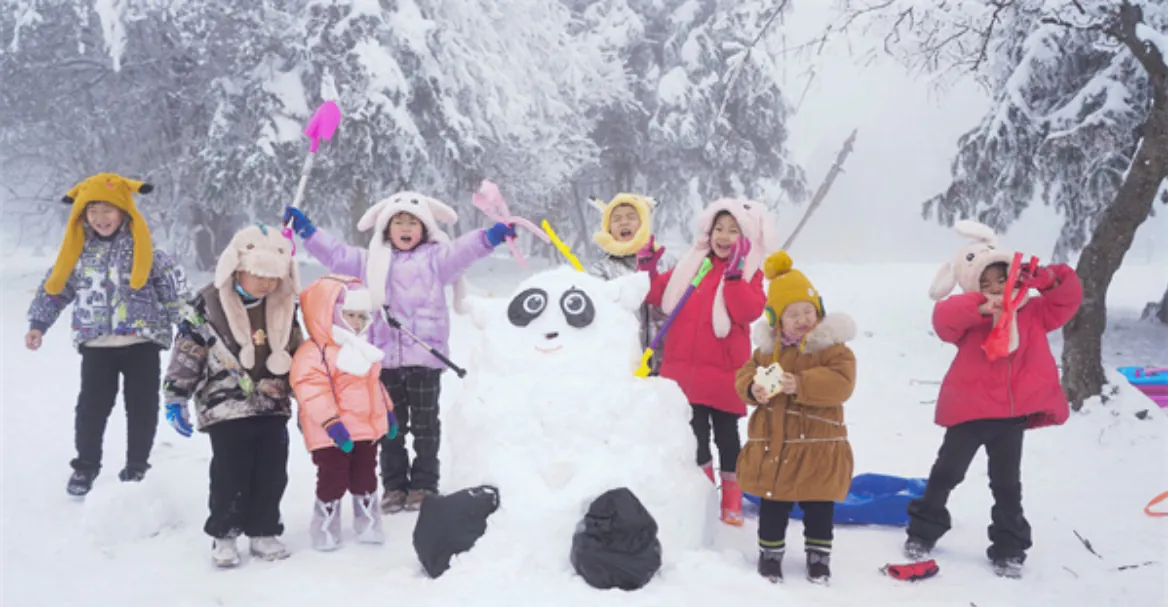
In winter the Xiannv Mountain grassland turns into a broad snowfield playground. The snow lies thick and soft, crunching underfoot and perfect for snowball fights, snowmen and rolling snowballs. The scenic area also has a dedicated snow play zone and snow tube rides, enough for adults and children alike. Families travelling with children may want to bring snow play tools in advance and enjoy the snow to the full.
05
Stilt houses on the cliff — an architectural marvel on a sheer face
Gongtan's stilt houses and flagstone streets are together known as the old town's two wonders. Unlike stilt houses built along rivers on the plains, Gongtan's terrain drops enormously, so the houses seem to cling to the cliff edge, layer upon layer, built to follow the mountain and separated by stone-paved paths. These houses were built continuously from the Southern Song dynasty until 1963, all timber-framed with through-tenon jointing: pillars bound from four or five thick logs, floors and walls pieced from planks, one side against the street and three sides suspended over the river. The old town preserves more than 50 stilt houses of varied form, over 200 quiet courtyards and more than 150 fire walls, an unusually complete and sizeable Ming and Qing architectural group in China. Walking the flagstone street, polished glossy by generations of footsteps, with tiered timber upper storeys overhead and the Wujiang surging below, this opening onto great mountains and rivers is rare among Chinese old towns.
06
Muslim-friendly · A Ming-dynasty mosque rebuilt with four 68-metre minarets
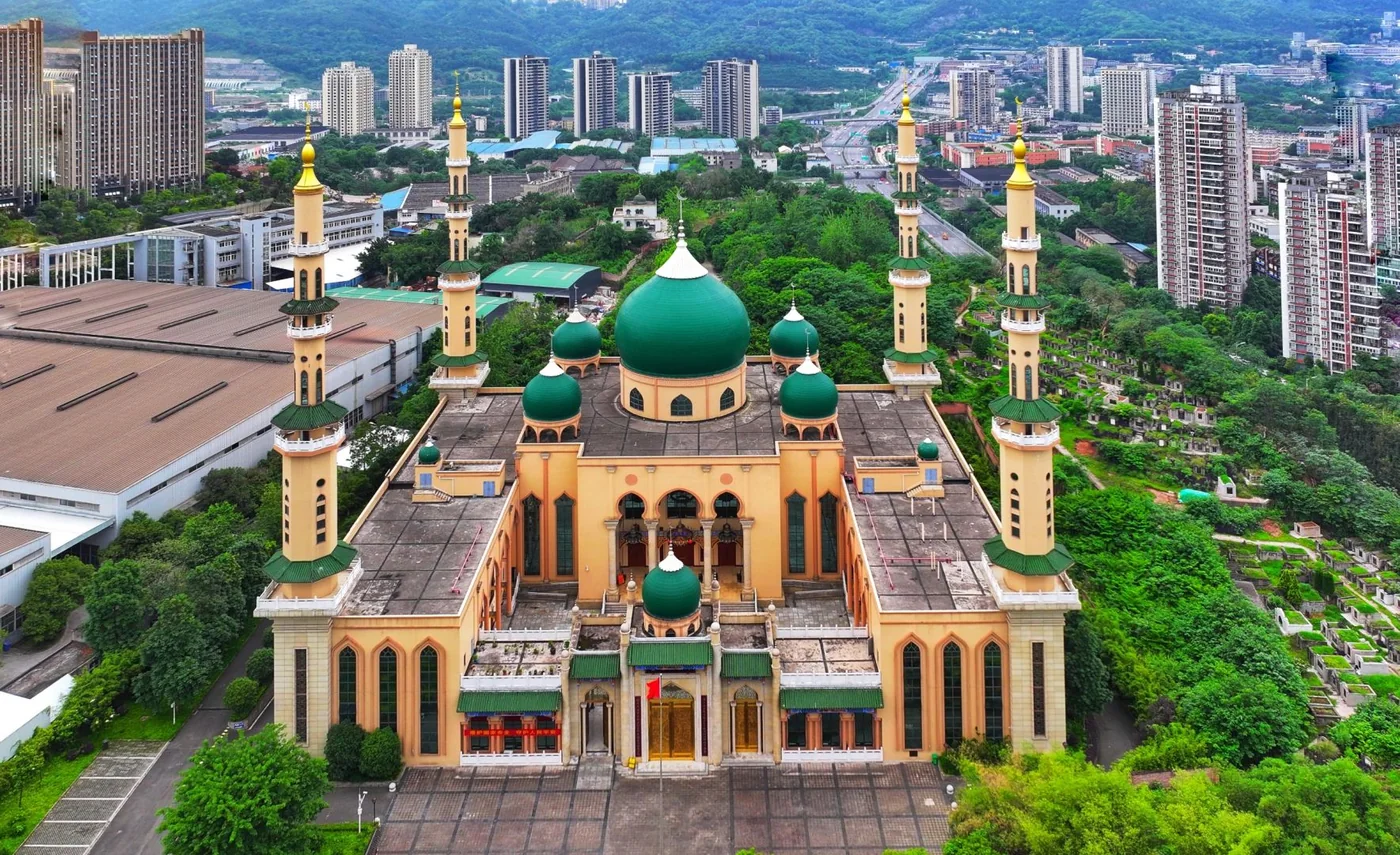
Chongqing Mosque, originally named Chongqing Qingzhen West Mosque, was founded in 1479, the 15th year of the Chenghua era of the Ming dynasty, on what is now the Shibati area of Yuzhong district, built with funds raised by Muslims who had settled in the city. It was destroyed in Japanese air raids in 1939 and rebuilt in 1943 under the China Islamic Salvation Association, serving as the mosque of the wartime capital and hosting a scripture school. In the 1990s the original site became the Muslim Building on Zhongxing Road in Yuzhong, with the prayer hall on its top floor. In 2014 the mosque was rebuilt beside the Hui cemetery at Erlang Huangni'ao in Jiulongpo district and formally reopened in August 2020. Four minarets, each about 68 metres tall, now rise at the corners, and the green dome stands out among the surrounding towers. The prayer hall is spacious and bright, and the mosque remains a key place of daily and Friday prayer for Muslims in Chongqing. Muslim travellers can fit a visit into the city itinerary.
Photo: Mr.work-shy / Wikimedia Commons, CC BY 1.0