
Lhasa In Depth: The Tibet Permit, Booking the Potala Palace, and Handling Altitude
Foreign passports need a Tibet Travel Permit, group travel of two or more, submitted 20–30 days ahead. The Potala sells…
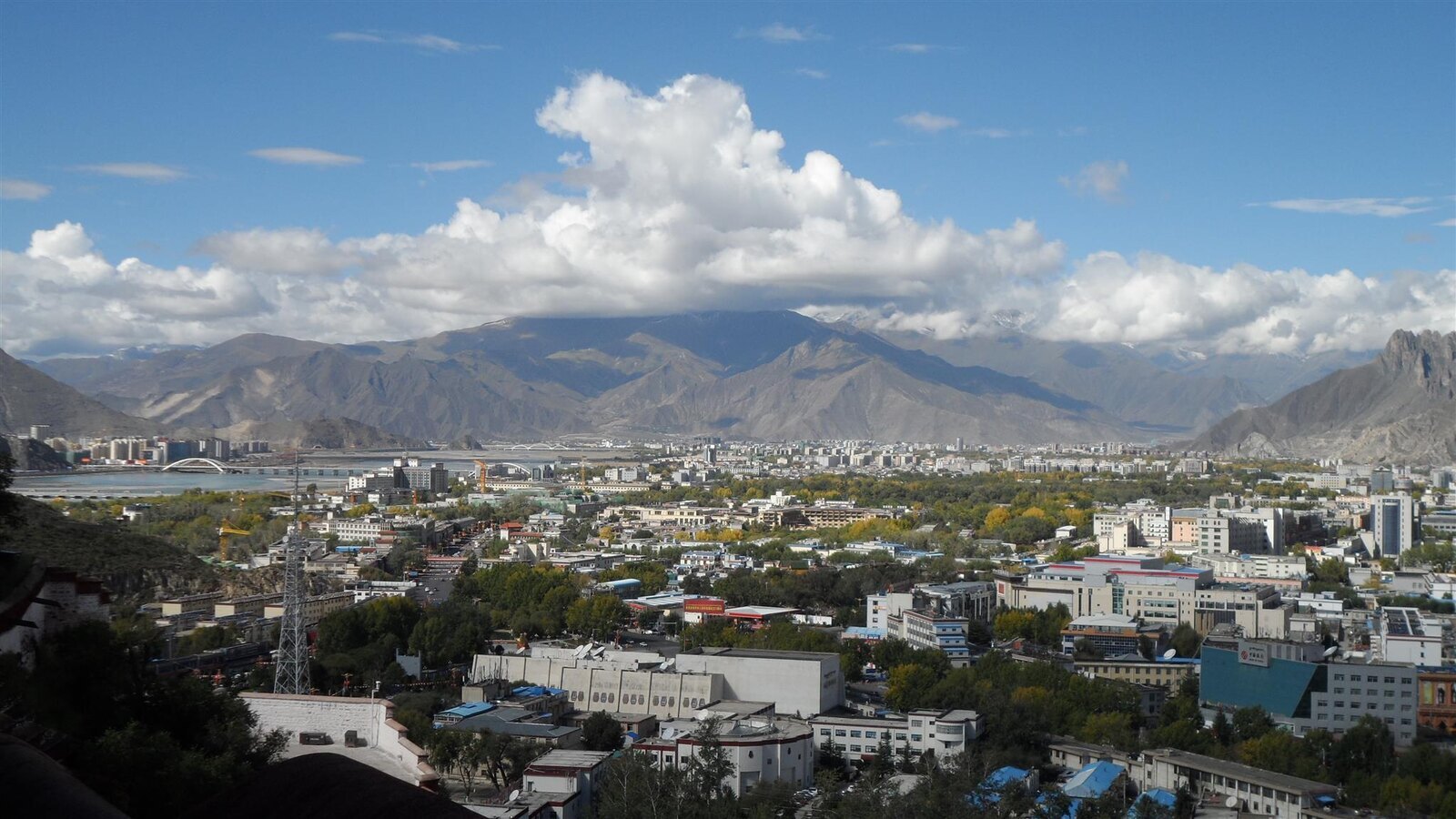
Foreign passports need a Tibet Travel Permit, group travel of two or more, submitted 20–30 days ahead. The Potala sells no same-day tickets and authorises no reseller. Covers both barriers, the border pass and altitude.
Lhasa is the one destination in this guide where whether you can go is not the guest's decision. Many people assume the hard part of Tibet is altitude. The first barrier is actually permits: foreign passport holders need a Tibet Travel Permit and must travel as part of a group — this is a rule, not a recommendation. The second barrier is the Potala Palace ticket, which is never sold on the day and is not delegated to any third party.
In other words, Lhasa is a destination where you complete the paperwork first and buy the flight second. This guide covers both barriers along with how to actually spend the time.
Barrier one: the Tibet Travel Permit
The Tibet Travel Permit is a tourism authorisation issued by the Tibet Autonomous Region Tourism Development Department. It is not a visa. The core rules:
- Who needs it: anyone holding a foreign passport — including overseas Chinese who have taken foreign nationality — must apply. Compatriots from Taiwan, China travelling on a Taiwan Compatriot Permit also need one. Residents of Hong Kong, China and Macao, China entering on a Home Return Permit do not need a permit and may travel independently.
- You cannot apply yourself: foreigners cannot apply directly. It must be arranged through a Tibetan travel agency holding the licence for foreign-guest reception, and the permit is not separable from the itinerary — transport, accommodation and guide are all arranged by that agency.
- Group travel is mandatory: foreign visitors must travel with an agency group, normally two people or more. Independent travel is not permitted.
- Processing time: usually 2–4 working days. Given flights and hotels must also be booked, submit documents 20–30 days ahead. In peak season (May–October), major religious events can add roughly a week.
- 2026 rule change (important): since March 2026, whether you fly or take the train into Tibet from any city, you must present the original permit to buy a ticket and to board. Previously some rail routes accepted a photocopy — that is no longer true. Print at least two copies and carry them.
- Visa requirements: an L tourist visa is the smoothest basis for a permit. Z (work), M (business) and X (student) visas require additional employment or enrolment proof. Travellers from visa-exempt countries still need the permit.
- During the trip: the original permit is held by the group guide and returned to the authorities afterwards.
What this means for an agency: the permit is the starting point of the whole Tibet itinerary. Collect documents before you confirm the itinerary, not after.
Barrier two: booking the Potala Palace
The Potala's booking rules are among the strictest in China:
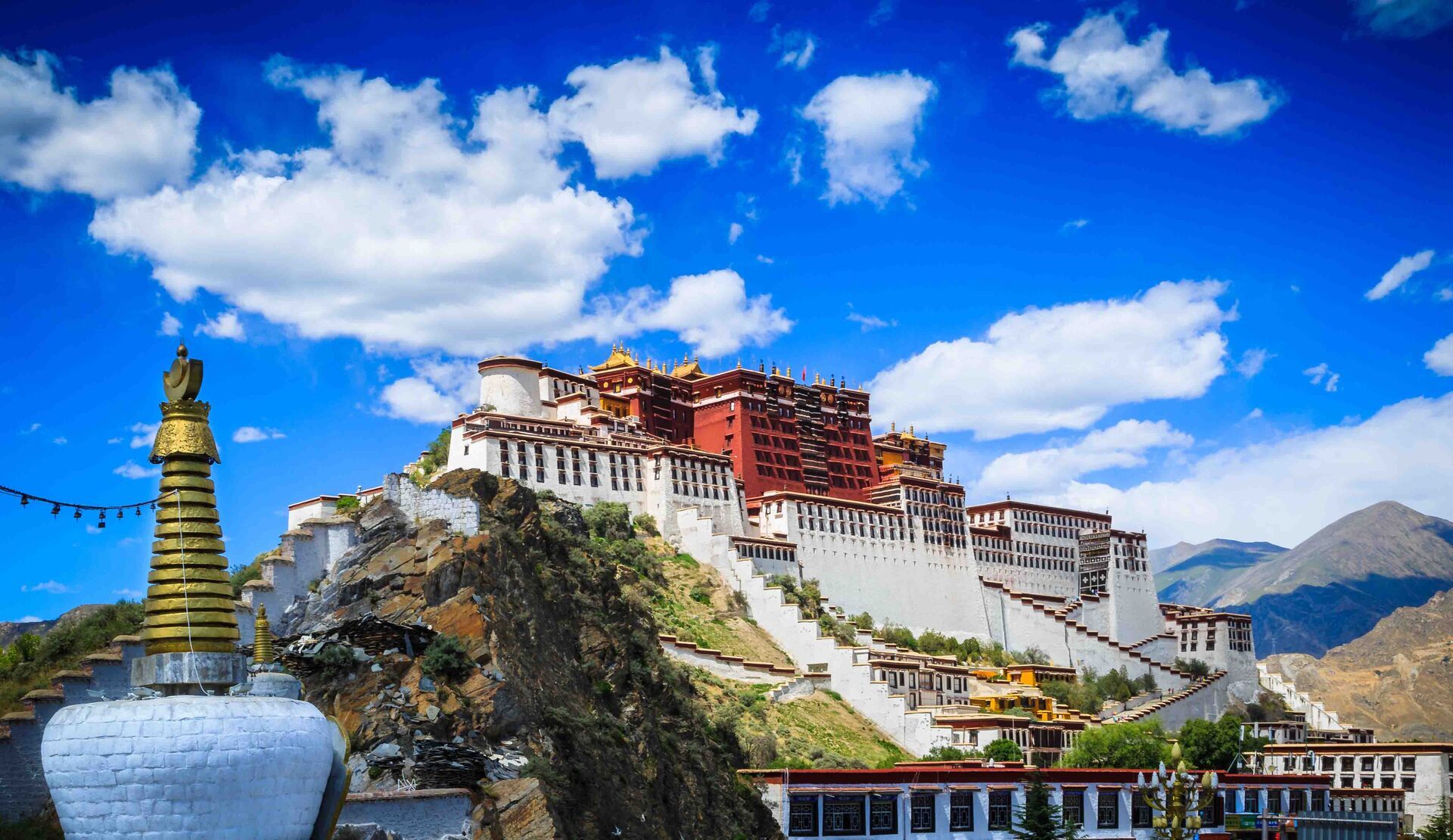
- No same-day tickets. Advance real-name booking is mandatory. The only official channels are the WeChat mini-program "Potala Palace Ticket Booking System" or the official "Potala Palace" WeChat account. No third party is authorised — avoid any marked-up channel.
- Opening hours: peak season (1 May – 31 October) opens 09:00, last entry 15:40. Closed Mondays.
- Purchase limit: each WeChat account may buy only one ticket and may link two accompanying persons (under 18 or over 60). Group members must book from separate accounts.
- No changes: online tickets can be refunded but not rescheduled. After a refund you must rebook to visit.
- Blacklist: two refunds within a week, or booking and then neither entering nor cancelling as required, triggers a system block on purchasing for seven days. Confirm the guest's dates before ordering.
- Snow City route: since 20 September 2025 the Snow City circuit at the Potala has been open and ticketed separately — full price ¥25 in peak season. It covers the Bixi residence, the old prison, the treasure hall and the mint, entered via the east and south gates. If the main palace is unavailable, Snow City is an often-overlooked substitute.
Visiting advice: the Potala is built up a hillside and the route from the entrance to the main halls climbs continuously. At 3,650 m that matters enormously. Go slowly, rest in stages, and do not rush to make your slot.
Jokhang Temple and Barkhor Street
- Jokhang Temple: one of the most sacred sites in Tibetan Buddhism, housing the Jowo Shakyamuni. Book in advance via the mini-program — peak-season tickets are tight. Space inside is narrow with one-way flow; follow the directions.
- Barkhor Street: the pilgrimage circuit around the Jokhang and the most alive quarter of Lhasa. Walk clockwise — that is the direction of local devotion, and going against it is a visible disrespect.
- Photography etiquette: ask before photographing worshippers. Photography is normally prohibited inside the halls; follow the signage.
What else Lhasa offers: gardens, debate and a museum
- Norbulingka: the former summer palace of the Dalai Lamas and the largest man-made garden in Tibet — its combination of architecture and planting is unlike anything in lowland China. Book ahead.
- Sera Monastery debate: the afternoon debates are among the most immediate experiences in Lhasa. Monks punctuate questions with hand claps; the rhythm and energy come across even without Tibetan.
- Drepung Monastery: a vast Gelug monastery built against the hillside. The thangka unveiling at Shoton Festival is one of the year's most important events.
- Tibet Museum: free, bookable 1–7 days ahead via the official WeChat account. To understand Tibet's history properly, this should come before the monasteries.
Around Lhasa: lakes, Shigatse and the border
- Yamdrok Lake: two to three hours away, with distinctly layered water colour — the most popular day trip from Lhasa. The road crosses a high pass, so dress warmly.
- Namtso: one of Tibet's three sacred lakes, higher and further, normally a full day or an overnight.
- Shigatse and Tashilhunpo Monastery: the seat of the Panchen Lama, four to five hours away, usually combined with Yamdrok into a two-day loop.
- Everest Base Camp and Ngari: border areas requiring an additional border pass. From 15 April 2026 the nationwide electronic border pass replaced paper documents; foreigners travelling to Everest, Ngari or Medog must apply in person at the exit-entry administration of a county-level or higher public security office. Verify current policy through the "Immigration Bureau 12367" app or mini-program.
- ⚠️ Important: the areas open to foreign visitors in Tibet are limited (mainly Lhasa, Shigatse, Nyingchi, Namtso and parts of Ngari). For anywhere not on that list, confirm feasibility with your agency in advance — do not plan on lowland assumptions.
Altitude: the order of operations in Lhasa
Lhasa sits at about 3,650 m — lower than the Yulong viewing platform, but 1,200 m above Lijiang's old town. The core principle is keep day one as empty as possible:
- Arrival day: no shower, no exertion, no alcohol. Drink water and sleep early.
- Day two: light activity (Barkhor, the museum). Put the Potala on day three or four.
- When climbing: take the Potala and monastery steps slowly, resting in stages.
- Medication: glucose, plus standard cold and stomach remedies. Guests with heart, blood pressure or respiratory conditions should see a doctor before travelling rather than deciding on the spot.
- Guests with chronic conditions: carry a portable pulse oximeter. Persistent headache with vomiting, breathing difficulty or altered consciousness means descend and seek medical help immediately — do not push through.
Getting in: fly or take the Qinghai–Tibet railway
- Flying (fastest): direct services from Chengdu, Chongqing, Xi'an and Xining to Lhasa, about two to three hours. The downside is zero acclimatisation — you land at 3,650 m, so altitude risk is higher.
- Qinghai–Tibet railway (better acclimatisation): about 21 hours from Xining, passing Golmud, the Kunlun Pass, Hoh Xil and the Tanggula Pass. The train is oxygenated and altitude rises gradually — kinder on altitude sickness, and a scenic journey in itself.
- Recommendation: with time, or for guests with any health concerns, prefer "train in, fly out". With limited time, fly both ways but keep the arrival day entirely free.
When to go
- April to June: the best window — clear skies, good visibility, oxygen levels recovering, relatively few visitors.
- July to August: the rainy season, but the highest oxygen levels of the year — the kindest months for altitude. Drawbacks: frequent afternoon showers and the domestic summer peak.
- September to October: another golden stretch — clear autumn air and superb light, the best season for photography.
- November to March: fewest visitors, most clear days and cheapest hotels, but cold with extreme day–night swings, and outlying routes such as Namtso may close for snow.
- Avoid: around major festivals such as Shoton. The cultural experience is at its best, but hotels and vehicles rise sharply and permit processing slows.
How to structure the trip: 4 days and 7 days
4-day core
- Day 1: arrive in Lhasa; rest and acclimatise all day — no sights at all.
- Day 2: slow walk through Barkhor and the old town → Tibet Museum.
- Day 3: Potala Palace (at your booked slot) → Norbulingka in the afternoon.
- Day 4: Jokhang Temple → Sera Monastery debate → departure.
7-day extended
Add two days for Yamdrok Lake plus Shigatse (Tashilhunpo), and a day at Namtso. We already run "Lhasa + Shigatse + sacred lakes" as a fixed itinerary — see the related tours section.
Practical tips
- Hotels: foreign visitors must stay in hotels licensed to receive foreign guests. Verify the licence before booking — do not simply book on price from a general platform.
- Documents: carry your passport and a copy of the permit at all times. Checkpoints are common.
- Climate: very strong UV, very dry air, large day–night temperature swings. Sunscreen, sunglasses, a hat, lip balm, moisturiser and a warm layer are essentials in every season.
- Food: Tibetan cooking centres on butter tea, tsampa and yak meat; Lhasa also has plenty of Sichuan and halal restaurants. Eat lightly for the first days at altitude and avoid heavy, oily meals.
- Etiquette: remove hats in monasteries and avoid shorts or revealing clothing; do not step over ritual objects or offerings; walk clockwise around monasteries and on the pilgrimage circuit.
- Cash: QR payment is widespread in the city, but keep some cash for monastery offerings and remote areas.
Common misconceptions
- "Book the flight, then get the permit." It is the other way round. The permit is a precondition for entering Tibet, and since March 2026 even ticket purchase requires the original.
- "Foreign guests can travel Tibet independently." They cannot — group travel, two people or more, is mandatory.
- "You can buy Potala tickets on site." No same-day tickets, and no authorised third-party resale.
- "Go to the Potala on day one." Climbing the Potala's steps is the single worst thing to do on arrival day.
- "You can go anywhere in Tibet." The areas open to foreign visitors are limited, and border areas need an additional pass — confirm with your agency in advance.
Need help planning this trip?
Tell us your travel dates and group size — we reply within 24 hours.
WhatsApp +86 183 1705 8017 · WeChat 18317058017
Destinations in this guide
Related Tours
More Guides
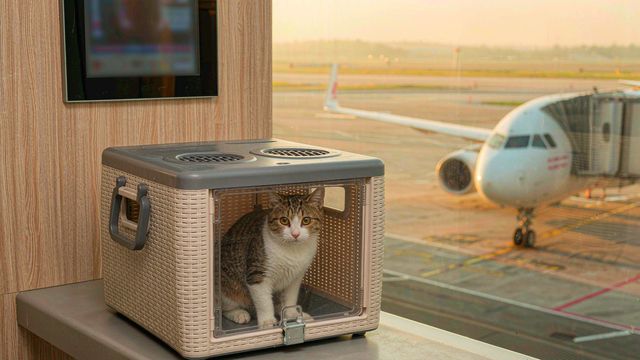
Flying with a Pet to and from China: Cabin, Hold and Quarantine in 2026
Cabin, live-animal hold or cargo, plus quarantine certificates, the 21-day rabies rule and China entry requirements.
10/17/2026
Solo Female Travel in China: Safety, Night Transport and a 2026 Checklist
Registration, late-night rides, payments and emergency numbers: a practical 2026 checklist for women travelling alone in China.
10/17/2026
Student Travel in China: 2026 Rail Fare Rules and the Best Hands-On Activities by City
A practical guide to study tours in China: 2026 rail student fare scope, visa-free basis for camps, hands-on activities by city, and group safety standards.
10/16/2026