
Yunnan Travel Guide: Kunming, Dali, Lijiang and Shangri-La, and When to Go
Kunming, Dali, Lijiang and Shangri-La end to end — Stone Forest, Erhai Lake, Jade Dragon Snow Mountain and Potatso — wi…
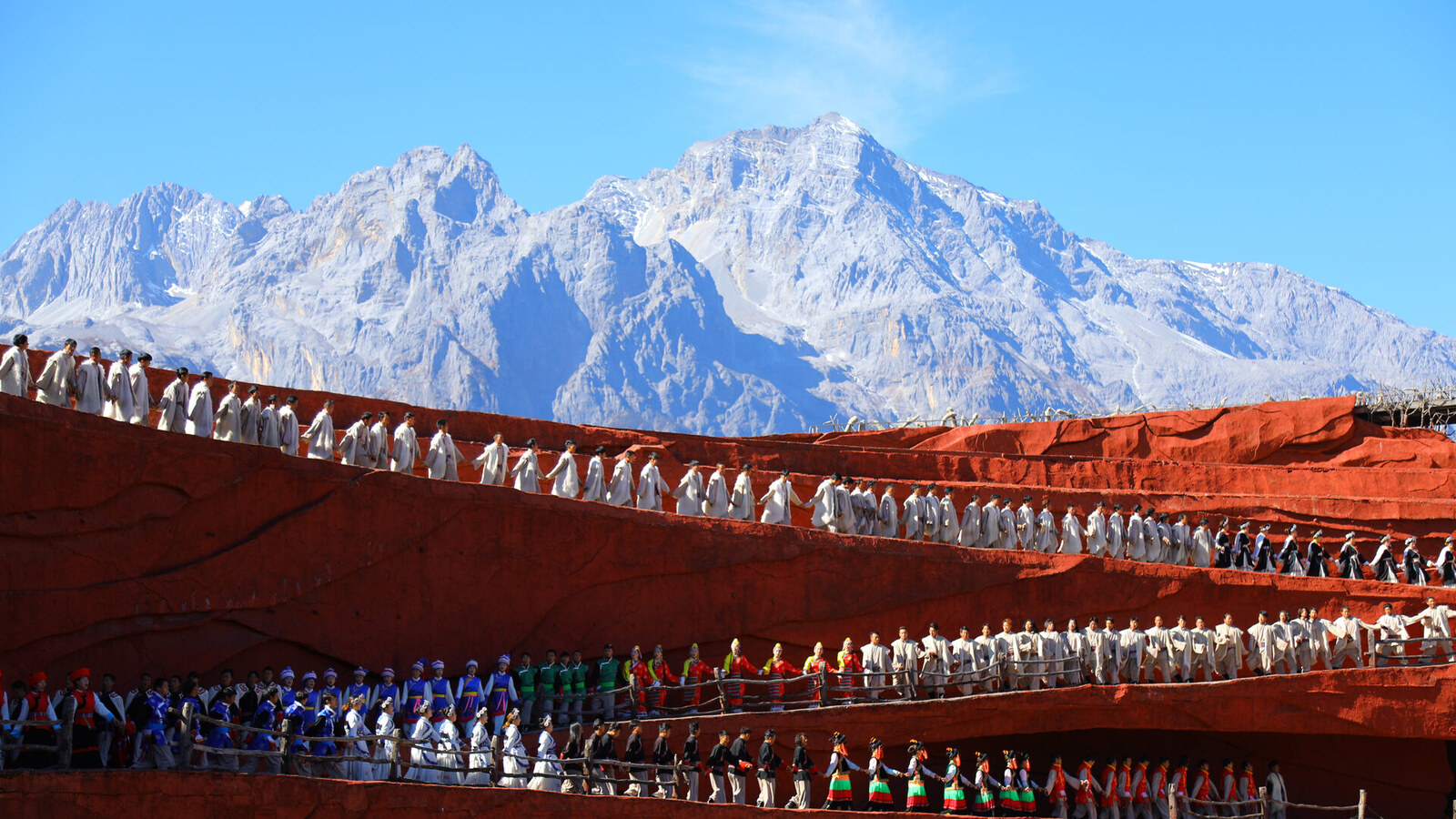
Kunming, Dali, Lijiang and Shangri-La end to end — Stone Forest, Erhai Lake, Jade Dragon Snow Mountain and Potatso — with seasons, altitude advice, transport and food.
If any single province in China contains a whole miniature world, it is Yunnan. Within one border you have snow mountains, highland lakes, ancient towns and tropical river valleys: Kunming's perpetual spring, the Cangshan range and Erhai Lake at Dali, the Naxi old town of Lijiang, and the Tibetan grasslands and monasteries of Shangri-La. More than twenty ethnic groups live here, which makes the food, architecture and festivals quite unlike anywhere else in the country. This guide follows the classic Kunming–Dali–Lijiang–Shangri-La route and explains what to see in each place, when to go, how to sequence it, and what to watch out for.
Yunnan's main destinations and the sights within them
1. Kunming — the provincial capital of eternal spring
Yunnan's gateway and transport hub, and where most itineraries begin. At around 1,900 m the climate is mild and something is always in flower. The city sights are relaxed and suit a half-day after landing.
- Stone Forest: a World Natural Heritage site of karst pinnacles rising out of the ground like a stone forest, about 1.5 hours from the city. Allow half a day; the site is large, with shuttle carts inside;
- Dianchi Lake and Haigeng Dam: Yunnan's largest highland lake. Between November and March thousands of black-headed gulls arrive from Siberia to overwinter — the liveliest winter scene in Kunming;
- Green Lake Park: a free park in the city centre, also good for gulls and a morning walk;
- Dounan Flower Market: the largest fresh-flower market in Asia, busiest in the small hours and early morning, sold by the bunch at prices that seem like a mistake;
- Xishan Longmen: cliffside grottoes and temples above Dianchi Lake, with a view over the whole lake. Best in the afternoon.
2. Dali — a Bai old town between mountain and lake
Dali is about slowing down. The Cangshan range stands to the west, Erhai Lake to the east, and between them runs a 130 km ring of road with old towns, villages and farmland strung along it. The point is not to tick off sights but to circle the lake.
- Dali Old Town: Bai architecture — grey tiles, white walls — with Renmin Road the centre of the cafés and craft shops. Best in the early morning before the crowds;
- Erhai Ecological Corridor: a lakeside walking and cycling system; the classic stretch runs between Caicun and Xizhou. An electric scooter or bicycle is the right way to experience Erhai;
- Xizhou Ancient Town: the best-preserved cluster of Bai courtyard houses, with the Yan family compound showing the classic "three wings and a screen wall" layout. The local Xizhou baba flatbread — sweet or savoury — is essential;
- Shuanglang and Lixiangbang: the eastern shore, facing Cangshan, for sunsets and photographs;
- Three Pagodas of Chongsheng Temple: Dali's symbol, three thousand-year-old pagodas against the mountain. The ticket includes the temple grounds; allow 2 hours;
- Cangshan: cable cars run up the range, where it is 8–10°C colder than the old town. Bring a jacket.
3. Lijiang — Naxi old town and Jade Dragon Snow Mountain
Lijiang sits at about 2,400 m, the first place on the route where altitude becomes a factor. The old town is a World Heritage site and Jade Dragon Snow Mountain is one of the most spectacular natural sights in Yunnan.
- Lijiang Old Town (Dayan): a World Heritage site centred on Sifang Square, with canals running through the streets. The Mu Mansion and the Wan Gu Tower on Lion Hill look out over the rooftops. Loud and brightly lit at night — come in the early morning for the quiet version;
- Shuhe Old Town: much calmer than Dayan, with the Qinglong Bridge and the Tea Horse Road museum for a slow walk;
- Baisha Old Town: more traditional still; the Baisha murals are masterpieces of Ming-dynasty Naxi religious art;
- Jade Dragon Snow Mountain: the main experience is the big cable car to Glacier Park at 4,506 m, followed by Blue Moon Valley, whose water turns blue-green from minerals. The air is thin — carry oxygen and take it slowly;
- Impression Lijiang: an open-air theatrical show staged against the mountain, performed in daylight. Worth seeing;
- Lashi Lake: a wetland reserve, good for cycling and birdwatching;
- Lugu Lake (extension): about 4 hours from Lijiang, a highland lake among the Mosuo people, extraordinarily clear and worth an overnight stay.
4. Shangri-La — Tibetan plateau and monasteries
Shangri-La sits at around 3,300 m in the Diqing Tibetan Autonomous Prefecture — the highest stretch of the route. Grasslands, snow peaks, monasteries and Tibetan villages make it a completely different landscape, and it is also where altitude sickness is most likely, so leave time to acclimatise.
- Potatso National Park: China's first national park, centred on Shudu Lake and Bita Lake, with old-growth forest and alpine pasture above 3,500 m. Shuttle buses run inside the park;
- Ganden Sumtseling Monastery: the largest Tibetan Buddhist monastery in Yunnan, known as the "little Potala". The gilded roofs are spectacular in the morning sun — go early;
- Dukezong Old Town: the "moonlight city", with one of the world's largest prayer wheels in Guishan Park. Quiet and beautiful at night;
- Tiger Leaping Gorge: the Jinsha River cut deep between Jade Dragon and Haba snow mountains. Upper Gorge is the easy viewpoint; Middle Gorge is for hikers;
- Napahai: a seasonal highland wetland — lake in the rainy season, grassland in the dry — good for horse riding and birdwatching.
When to go
- March–May: the best window. Stable weather, clear views, Dali and Lijiang in flower, and Shangri-La's grasslands turning green;
- September–November: the second golden period. Cool, dry, high visibility — the best light for photographing snow mountains and lakes;
- June–August: the rainy season. Usually afternoon showers rather than all-day rain, so mornings still work, but cloud often hides the snow peaks. It is also the summer escape season, so crowds and prices rise;
- December–February: winter. Lijiang and Dali are still pleasant in the sun, but the day-night temperature swing is extreme, and Shangri-La is genuinely cold. The snow line is at its lowest and Jade Dragon Snow Mountain at its most dramatic;
- Avoid: the National Day golden week and the May Day holiday. Yunnan is one of the most popular provinces in China, and flights, hotels and queues all spike.
How to structure your trip
Six days: Kunming, Dali, Lijiang (compact)
- Day 1: arrive in Kunming → Green Lake or Haigeng Dam (gulls in season);
- Day 2: half-day at the Stone Forest → afternoon train to Dali (about 2 hours);
- Day 3: Dali: cycle the Erhai corridor → Xizhou Ancient Town → Three Pagodas;
- Day 4: Dali Old Town → train to Lijiang (about 2 hours) → Lijiang Old Town by night;
- Day 5: Jade Dragon Snow Mountain (cable car + Blue Moon Valley) → Shuhe Old Town;
- Day 6: Baisha Old Town → depart.
Eight days: adding Shangri-La
Extend Lijiang by a day and add a run to Shangri-La: Potatso National Park → Sumtseling Monastery → Dukezong Old Town, with Tiger Leaping Gorge on the way. Because of the altitude, spend the first night acclimatising before heading to the higher sights such as Potatso.
Altitude and health
- Heights: Kunming about 1,900 m, Dali about 2,000 m, Lijiang about 2,400 m, Shangri-La about 3,300 m, Glacier Park 4,506 m. The route climbs gradually, so the itinerary itself is the acclimatisation;
- Altitude sickness: the usual symptoms are headache, poor sleep, fatigue and a racing pulse. On your first day at height, avoid strenuous activity, alcohol and long hot baths;
- Managing it: drink plenty of water and move slowly. Portable oxygen is available on site at Jade Dragon Snow Mountain and Potatso, or bring your own. If symptoms are clear, descend to lower ground;
- Sun: UV at altitude is fierce. Sunscreen, a hat and sunglasses are needed even on cloudy days — the most commonly underestimated hazard in Yunnan;
- Temperature swings: "four seasons in one day" is literally true here; the same morning might be 8°C and the same noon 25°C. Dress in layers and always carry a jacket.
Transport and pace
- Arrival: Kunming Changshui International Airport is Yunnan's international gateway; Lijiang, Dali and Shangri-La also have airports, so open-jaw itineraries that avoid doubling back are possible;
- Between cities: Kunming–Dali by high-speed train about 2 hours; Dali–Lijiang about 2 hours; Lijiang–Shangri-La about 4 hours by road with no rail link, so a private car or coach is the practical option;
- Within: sights around Dali and Lijiang are spread out, and a private car or a rented scooter is far more efficient than public transport. Old towns are stone-paved and closed to vehicles — pack a wheeled case plus a daypack;
- Pace: Yunnan does not reward three sights a day. Old towns, lakes and mountains all need slowing down; an hour cycling Erhai or an early morning in the old town is worth more than another ticket.
What to eat
- Kunming: crossing-the-bridge rice noodles, served with broth, ingredients and noodles separately so you add them in order; steam-pot chicken; small-pot rice noodles; flaky buns; flower cakes;
- Dali: Xizhou baba flatbread (sweet or savoury), grilled rubing cheese, sour-and-spicy fish, and the Bai three-course tea ceremony;
- Lijiang: cured pork rib hotpot, chickpea jelly noodles, Lijiang baba, and Naxi grilled fish;
- Shangri-La: butter tea, yak meat, barley wine and Tibetan hotpot — high-calorie and warming, exactly what the plateau calls for.
Practical notes
- Tickets and reservations: Jade Dragon Snow Mountain and Potatso require advance online booking in peak season, and the big cable-car tickets for Jade Dragon are often sold out days ahead. Book early;
- Weather: carry a rain jacket or folding umbrella in the June–August rains; for Shangri-La in winter bring a down jacket, gloves and warm shoes;
- Customs: Yunnan is a multi-ethnic province. Inside monasteries — Sumtseling in particular — dress modestly, keep your voice down and do not photograph monks without asking. Respect local practice when visiting Bai and Naxi villages;
- Shopping: prices for jade, silverware and medicinal herbs vary enormously. Buy from proper shops or established brands rather than roadside "inside price" offers;
- Connectivity: mobile signal and mobile payment are fine in cities and at the main sights, but weaker in remote areas such as Lugu Lake and parts of Tiger Leaping Gorge. Carry a little cash;
- Safety: on hikes at Tiger Leaping Gorge and Cangshan, stay on marked trails; do not take unlicensed boats on Erhai or Lugu Lake.
Need help planning this trip?
Tell us your travel dates and group size — we reply within 24 hours.
WhatsApp +86 183 1705 8017 · WeChat 18317058017
Destinations in this guide
Related Tours
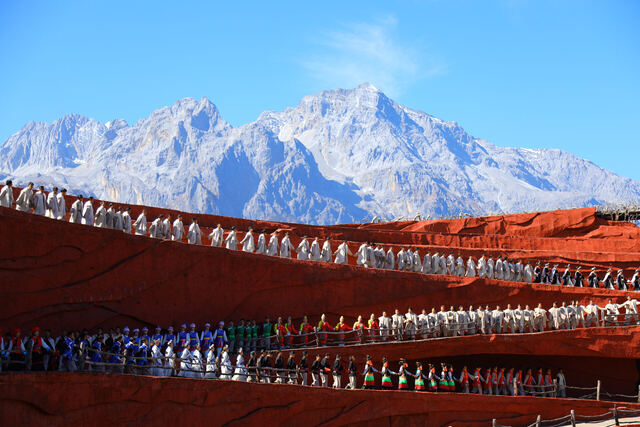
Lijiang 3-Day Tour
1-4 Days

Kunming-Dali-Lijiang-Shangri-La · Yunnan Classic 8 Days 7 Nights (Stone Forest + Erhai Lake + Jade Dragon Snow Mountain + Potatso + Songzanlin Monastery + Tiger Leaping Gorge)
5-10 Days
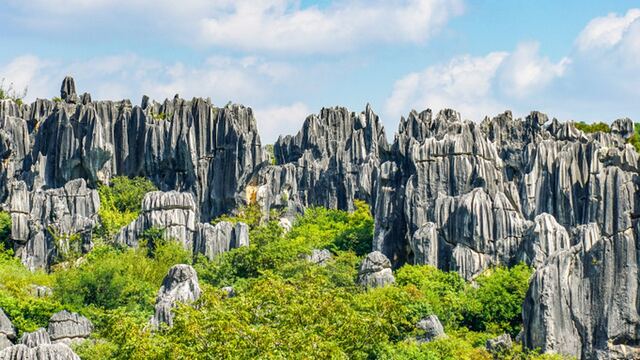
Kunming, Dali & Lijiang · Classic 3-City Tour 6 Days 5 Nights (Stone Forest + Erhai Lake Loop + Jade Dragon Snow Mountain + Lijiang Old Town + Dali Old Town)
5-10 Days
More Guides

Flying with a Pet to and from China: Cabin, Hold and Quarantine in 2026
Cabin, live-animal hold or cargo, plus quarantine certificates, the 21-day rabies rule and China entry requirements.
10/17/2026
Solo Female Travel in China: Safety, Night Transport and a 2026 Checklist
Registration, late-night rides, payments and emergency numbers: a practical 2026 checklist for women travelling alone in China.
10/17/2026
Student Travel in China: 2026 Rail Fare Rules and the Best Hands-On Activities by City
A practical guide to study tours in China: 2026 rail student fare scope, visa-free basis for camps, hands-on activities by city, and group safety standards.
10/16/2026