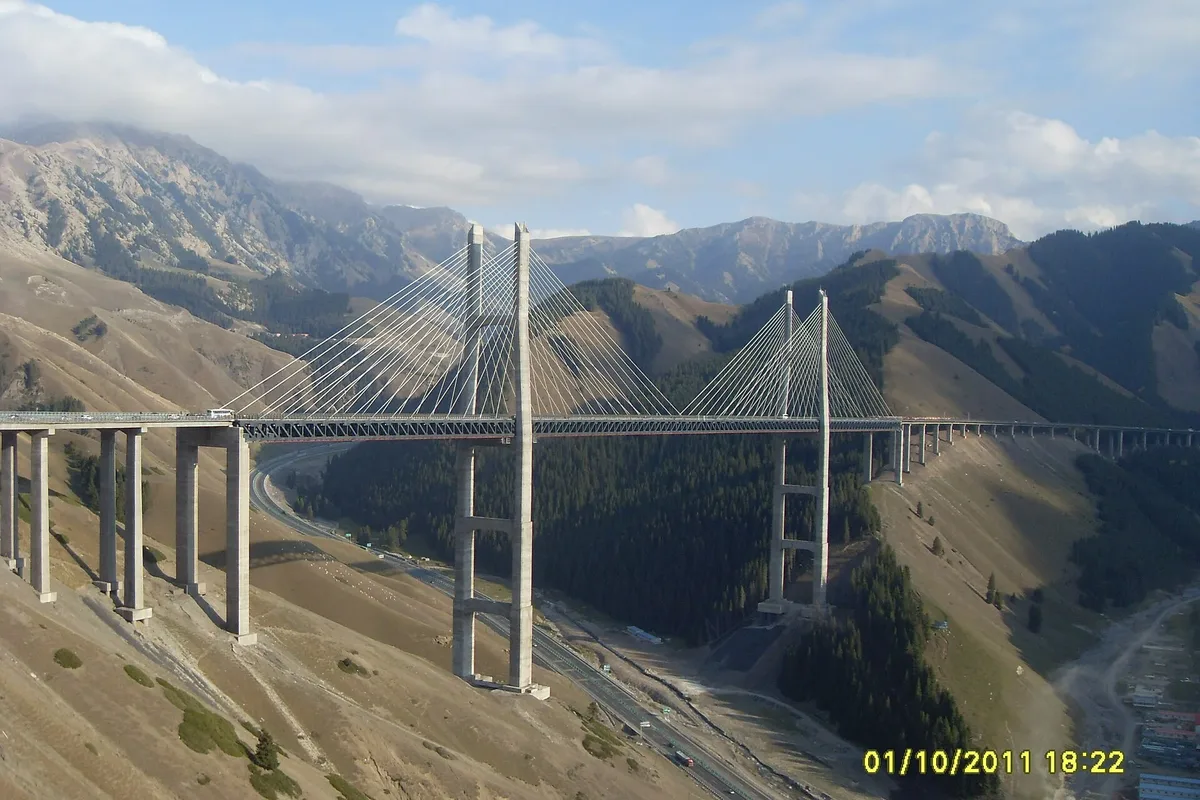
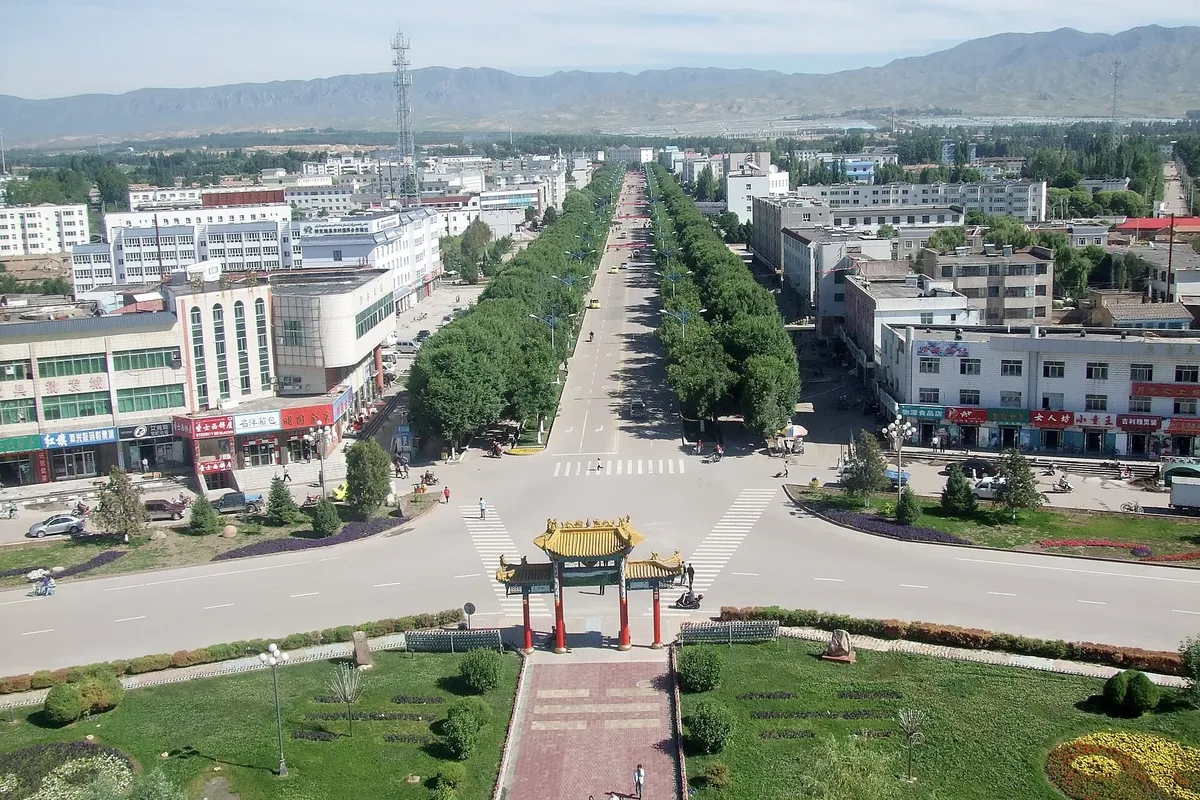
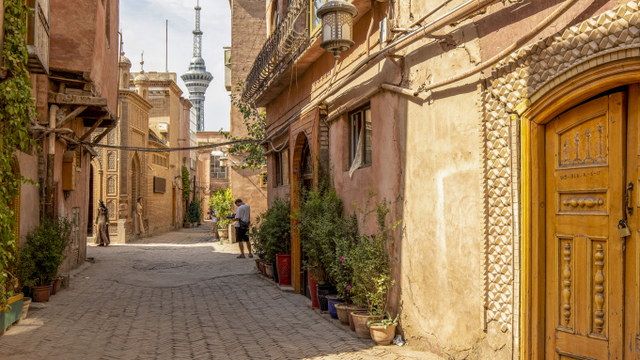
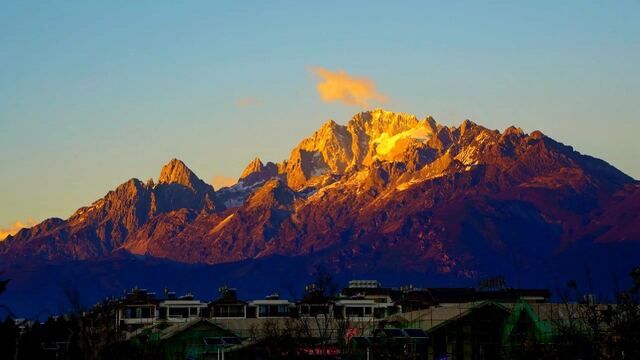
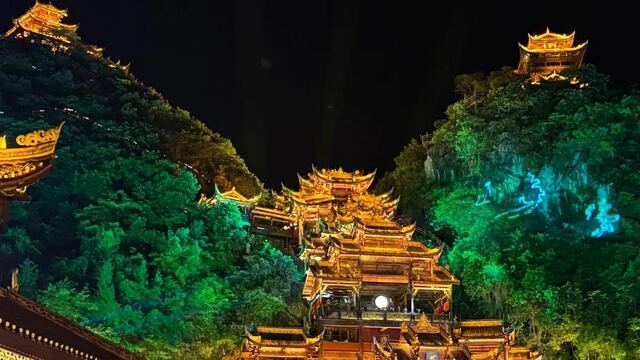
An 8-day, 7-night in-depth Ili loop in Xinjiang combining lakes, gorges, grassland, folk culture and highway scenery. It begins with an airport pick-up in Urumqi and heads west, crossing the vast, sweeping Dushanzi Grand Canyon to reach Sayram Lake, the last tear of the Atlantic, for a self-drive loop of the lake with a light travel-photography session to capture the finest lake and mountain scenery. It then passes the Guozigou Bridge and the colourful Dopamine Six-Star Street to reach Yining, taking in rich ethnic character and vibrant streetscapes.
Continuing into the heart of Ili, the route enters Qiongkushitai and the bagua city of Tekes, experiencing pastoral grassland life and the distinctive octagonal layout. On day five you self-drive Qiaxi Yanzi Bridge (replaced by Ku'erdening if not open), moving freely between forest and grassland, overnighting in Xinyuan or Nalati. Day six tours the Nalati sky grassland and stays in a distinctive guesthouse for an immersive sense of the openness and quiet of the grassland in the sky.
The return leg follows the Duku Highway and the Tangbula hundred-li gallery back to Urumqi; if the Duku is closed, the route switches to National Highway 218 and the Tianshan Victory scenic tunnel, with snow mountains, gorges and grassland alternating the whole way. Four-star hotels, comfortable hotels and distinctive guesthouses are selected throughout, balancing the freedom of self-driving, the romance of travel photography and comfortable accommodation — the classic lakes, grassland, gorges and highways of Xinjiang in a single journey.
01
The star of the Xinjiang table — and the belt noodles are the soul
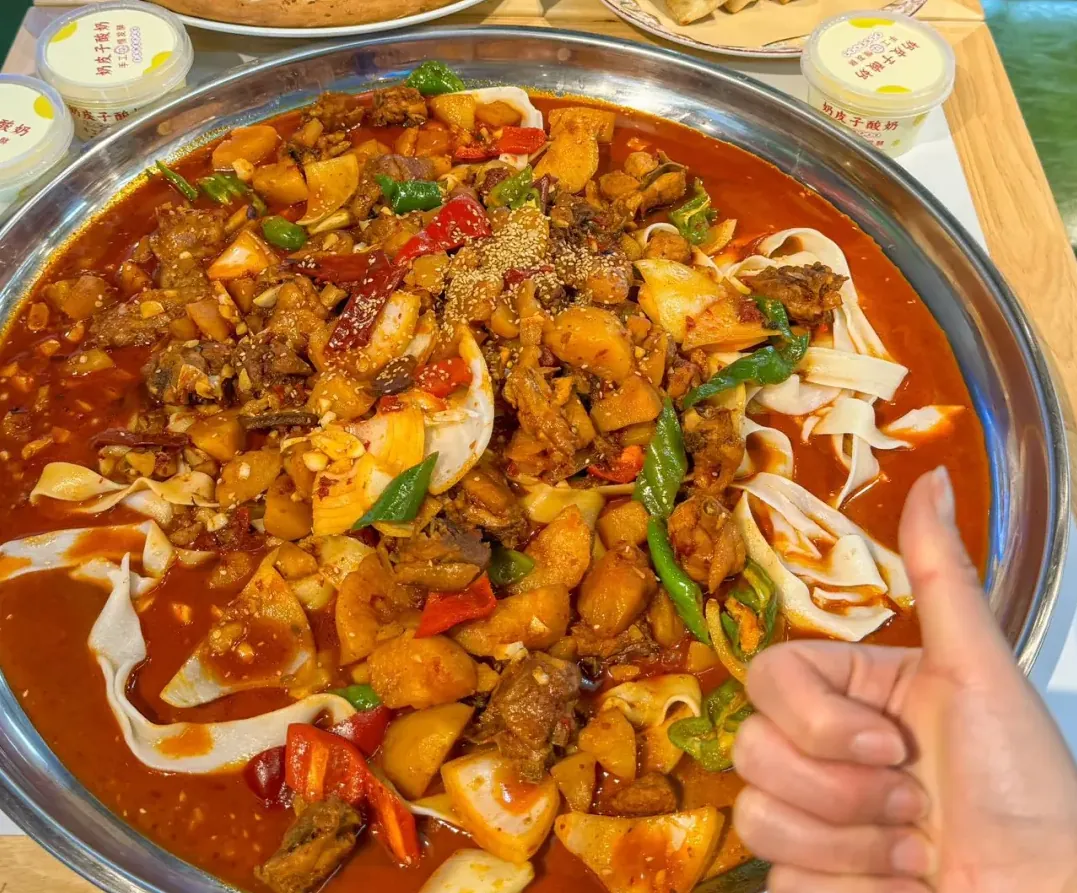
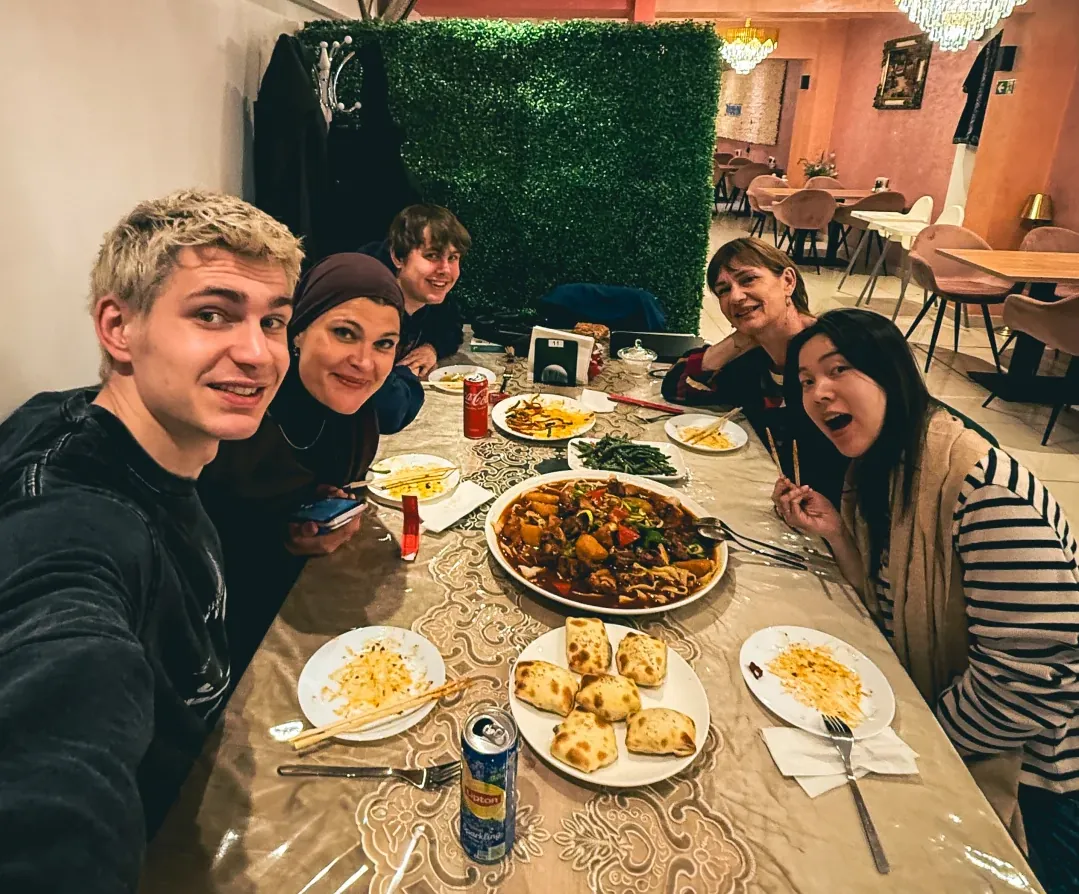
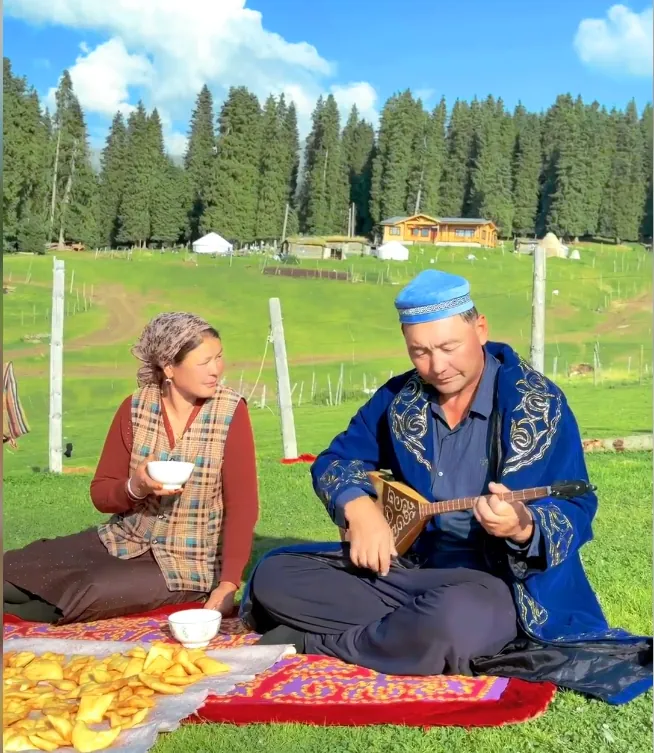
Big Plate Chicken is the first calling card of Xinjiang cuisine and a must-order dish when locals gather. Chunks of chicken and potato turn in a bright red broth, dried chillies giving it a distinctive fragrance and colour, the chicken braised until tender and the potato dense and sweet with absorbed sauce. But anyone who really knows how to eat it knows the final addition of chewy belt noodles is the essence: broad handmade noodles laid in the base of the plate, soaked in rich sauce, taste better than the meat. In restaurants in Urumqi or Yining a plate feeds two or three, and with a chilled Wusu beer it is the most authentic Xinjiang way.
02
The first sight of the Duku Highway — ancient geology meets high adventure
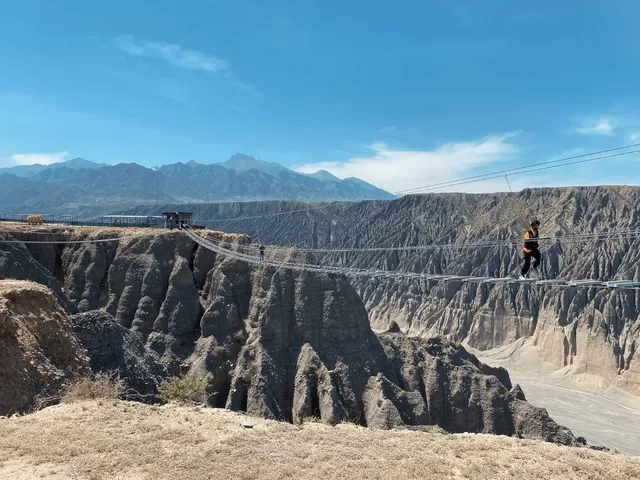
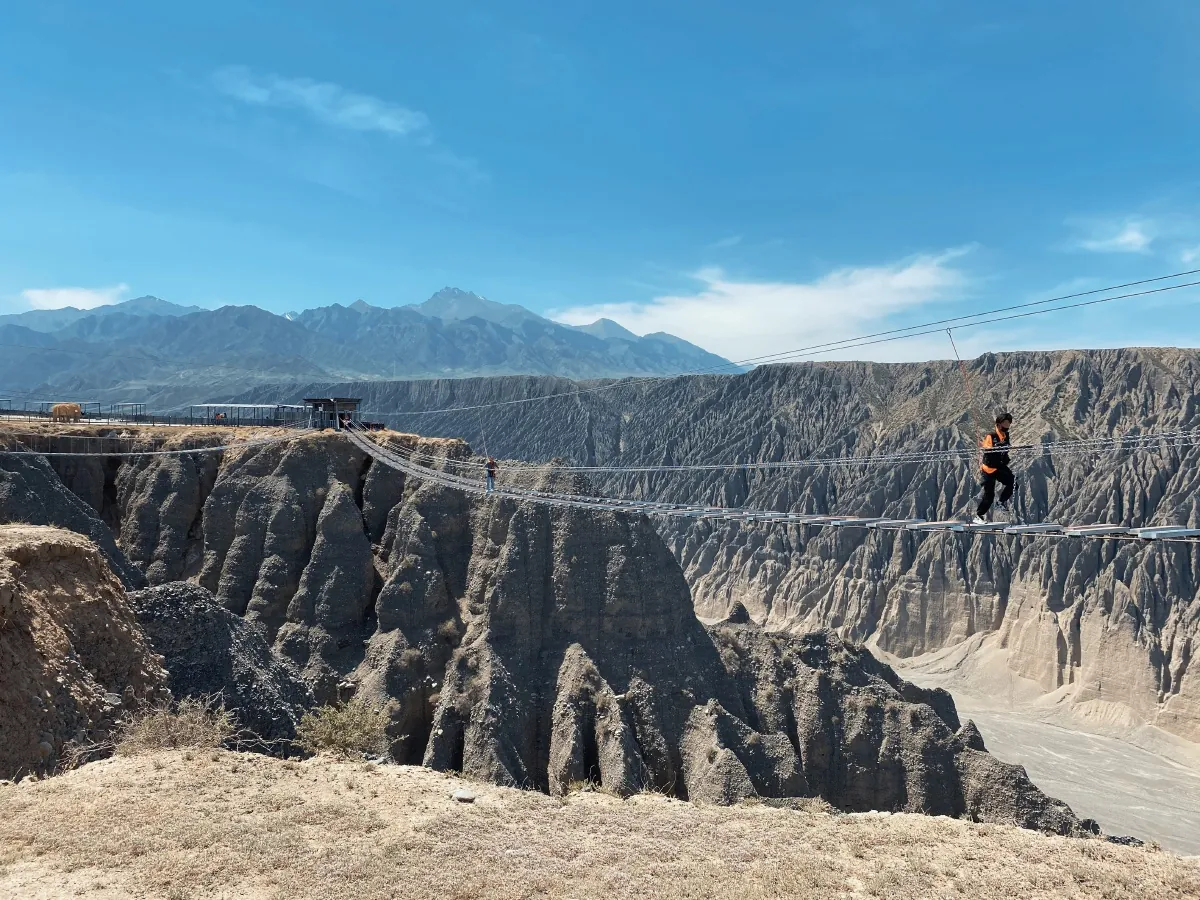
Dushanzi Grand Canyon sits at the start of the Duku Highway, a geological painting carved over hundreds of millions of years by Tianshan meltwater and the Kuitun River, known as the Grand Canyon of the East. The canyon walls form nine terraces in layers, bands of black, grey and yellow cut as if by axe, with a maximum vertical drop of two hundred metres — an extreme visual impact from the rim.
03
A 90-kilometre self-drive loop — every brake is a view
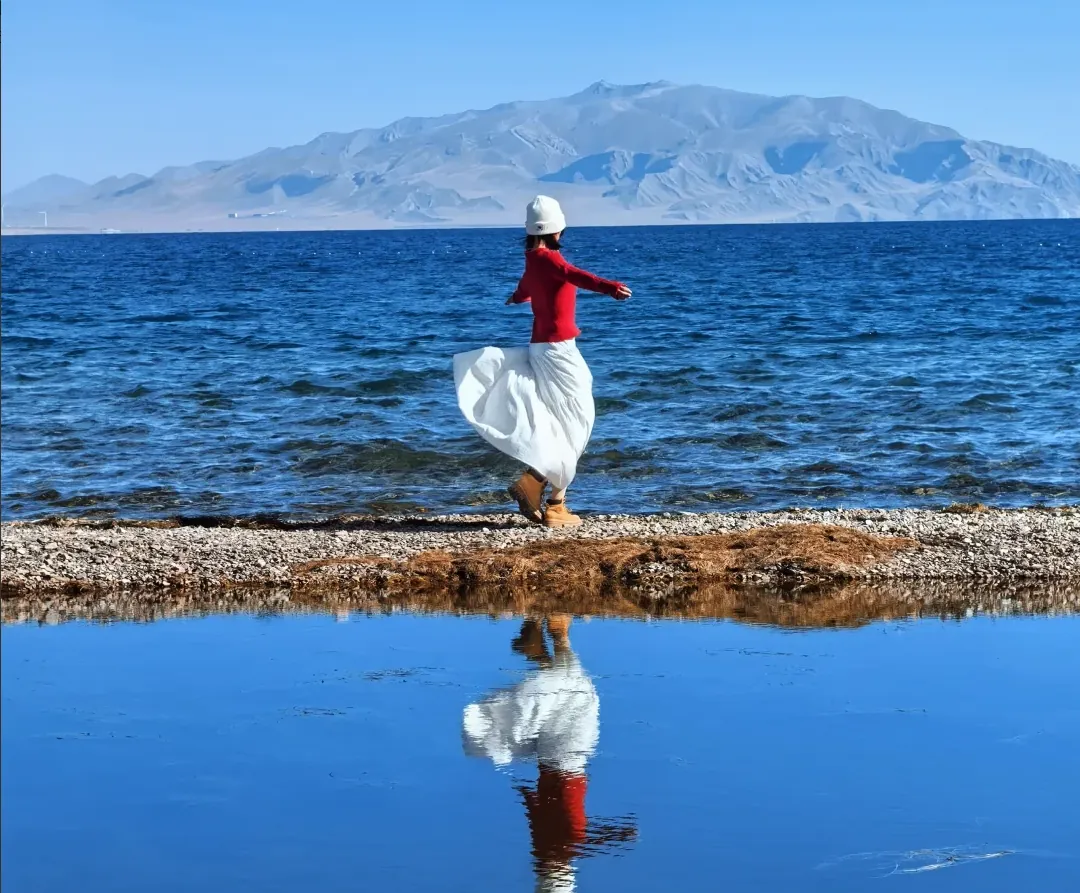
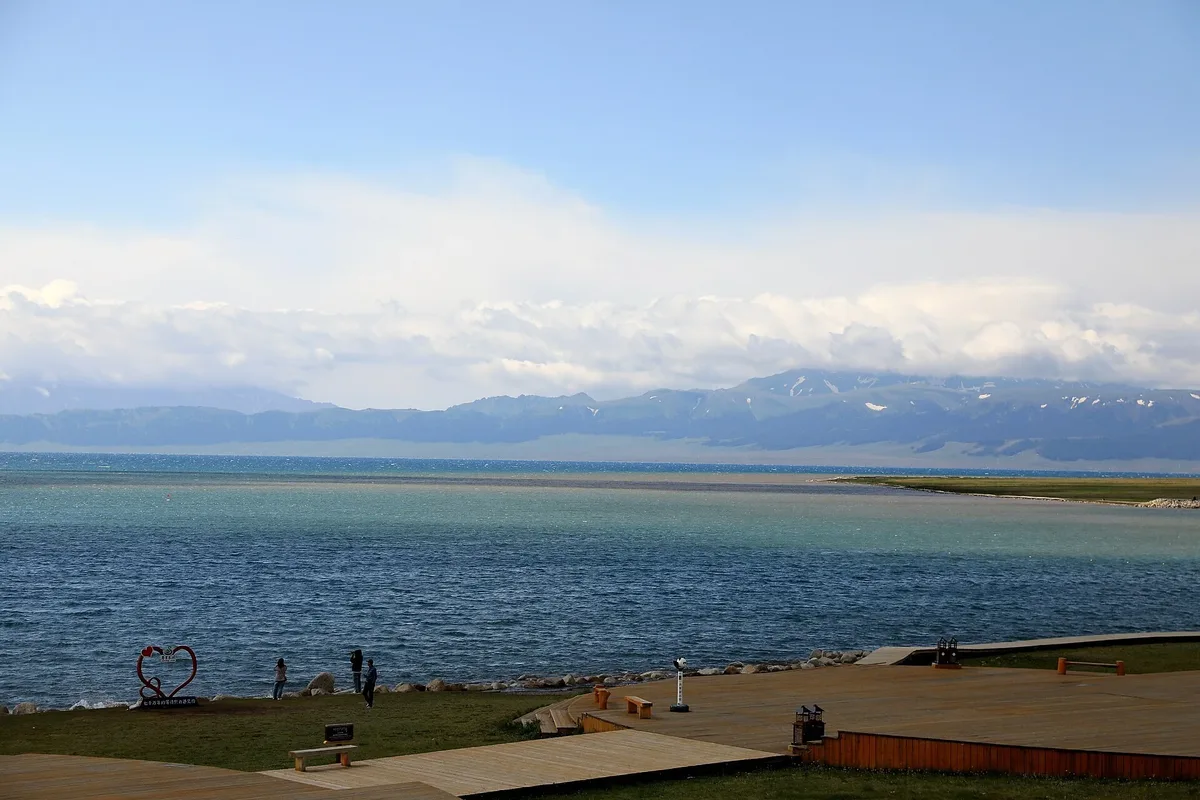
The Sayram Lake ring road runs about ninety kilometres. Self-driving is strongly recommended: enter at the east gate and exit at the south, clockwise, which puts the lake on your right the whole way so you can stop for photographs whenever you like. The route passes more than ten photogenic spots including Moon Bay, Dianjiang Platform, West Sea Grassland and Swan Lake Water, and at least a full day is recommended — sunrise in the early morning, wildflowers in the afternoon, sunset in the evening.
04
The Switzerland of the East at the foot of Tianshan, holding Ili's most pristine grassland secret
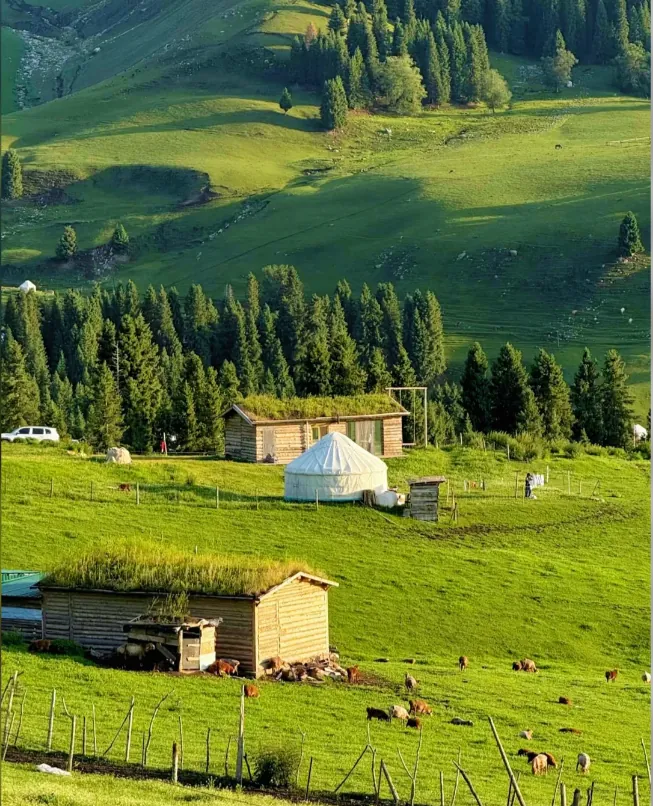
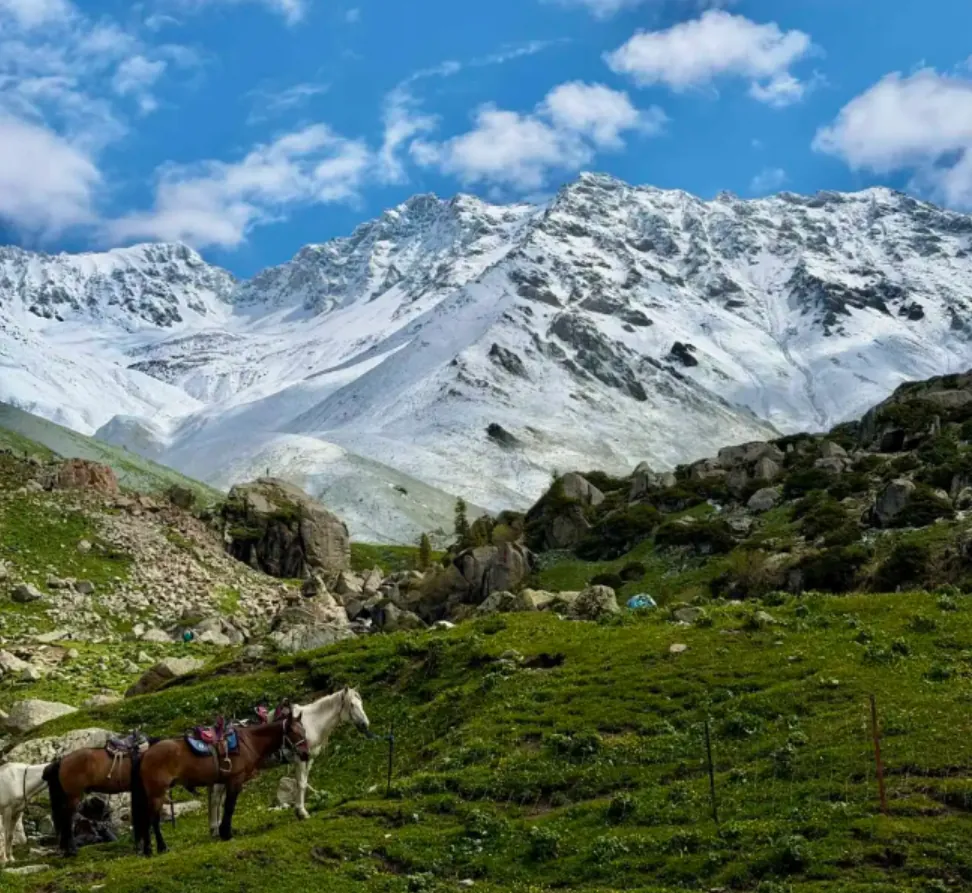
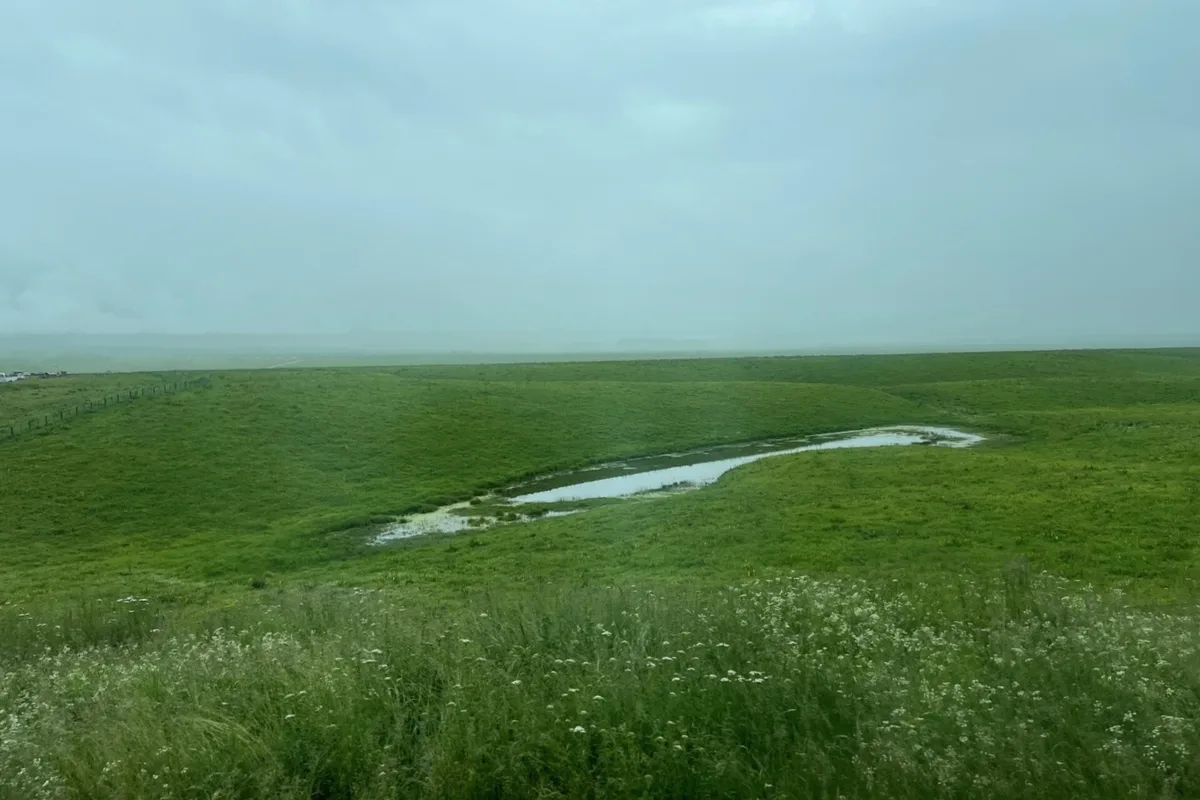
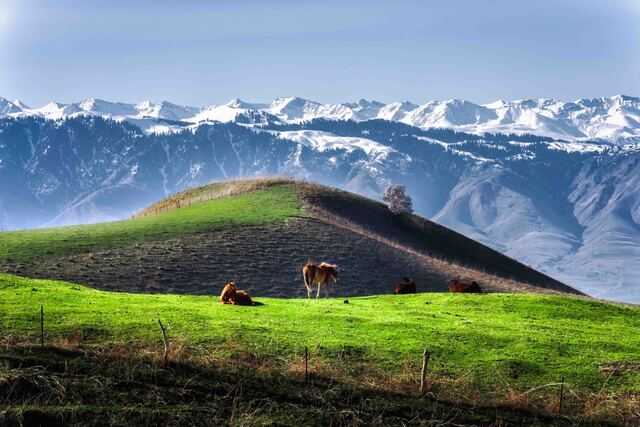
Qiongkushitai lies in Kaladala Town, Tekes County, Ili, Xinjiang; in Kazakh the name means big platform. About ninety kilometres from Tekes town at roughly 2,000 metres elevation, it is ringed by mountains on three sides, with grassland, river, snow mountains, forest, pasture and stream valley all in view — known as the Switzerland of the East and praised by Chinese National Geography as the last pure land of Tianshan. There are no walls and no tickets; what visitors see on entering the village is not only forest, pasture and stream but the everyday life of herders. It is precisely this difficulty of access and lack of commercialisation that has preserved its pristine soul. At 2,200 metres the sky pasture is one of the world's four great alpine river-valley grasslands. Nalati in Kazakh means the place that sees the sun first, and the sky grassland is its core and most celebrated route at about 2,200 metres. The terrain rolls gently and the grassland is vast, with the permanently snow-capped Tianshan range beyond and emerald meadow underfoot, creating a strong contrast of warm and cold in a single frame. Nalati is one of the world's four great alpine river-valley grasslands, presenting a vertical band from river-valley grassland through snow-ridge spruce and alpine meadow to snow mountain and glacier, and the sky pasture sits in the upper middle of that band — the most direct place to understand Nalati's three-dimensional grassland.
05
113 valleys, each with its own view
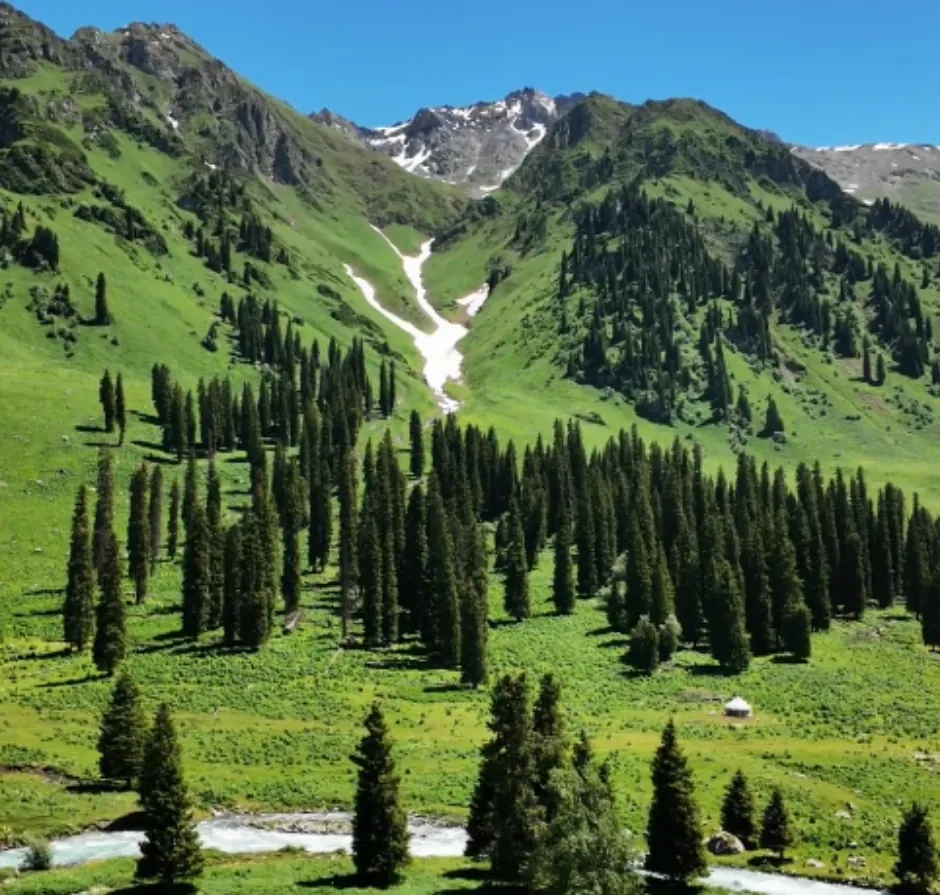
Tangbula comes from Kazakh, meaning seal or imprint, named because the rock on the ridge resembles an imperial seal. The scenic area covers 514,000 mu with 113 distinctive valleys, combining forest, grassland, snow mountains and hot springs, praised as a hundred-li scroll and natural gallery. The scenery here does not rely on a single highlight — the whole river valley is a continuous scroll unfolding before you: an open valley with snow mountains in the first stretch, meadow, spruce and wildflowers layer upon layer in the middle, farmland and pasture interleaved in the west, each section with its own character.
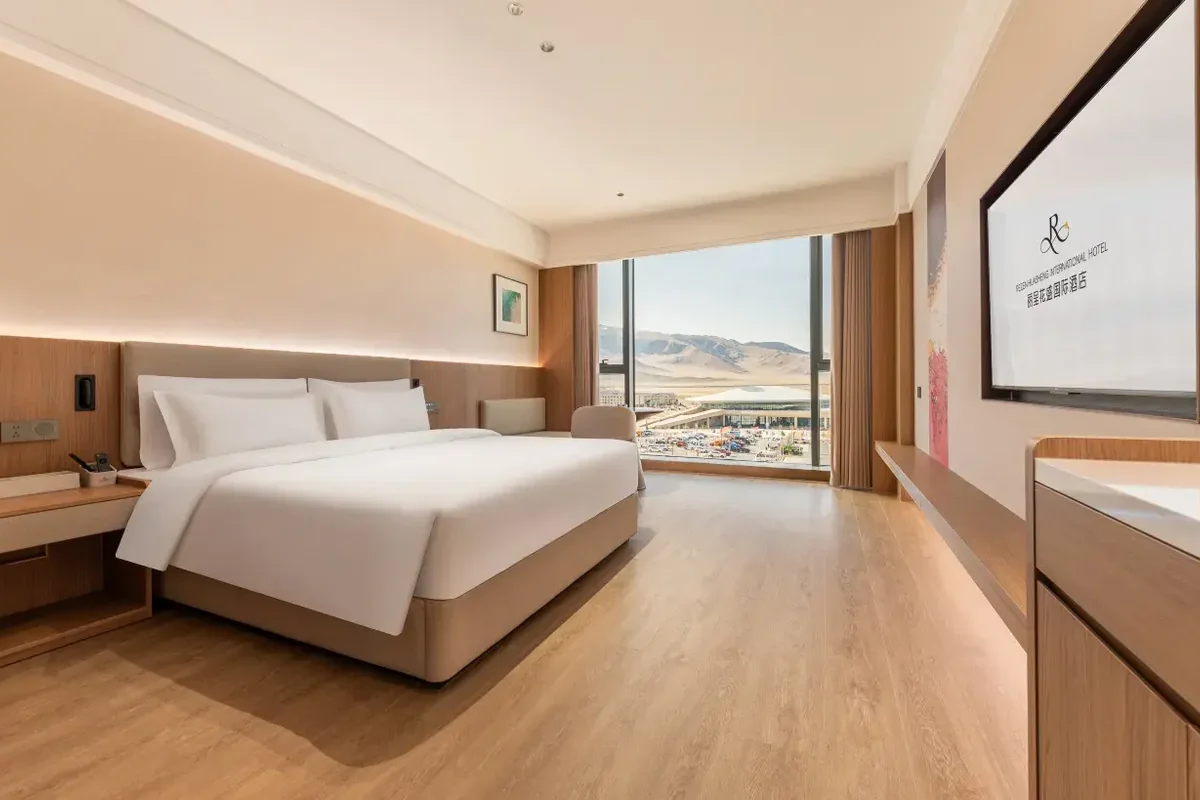
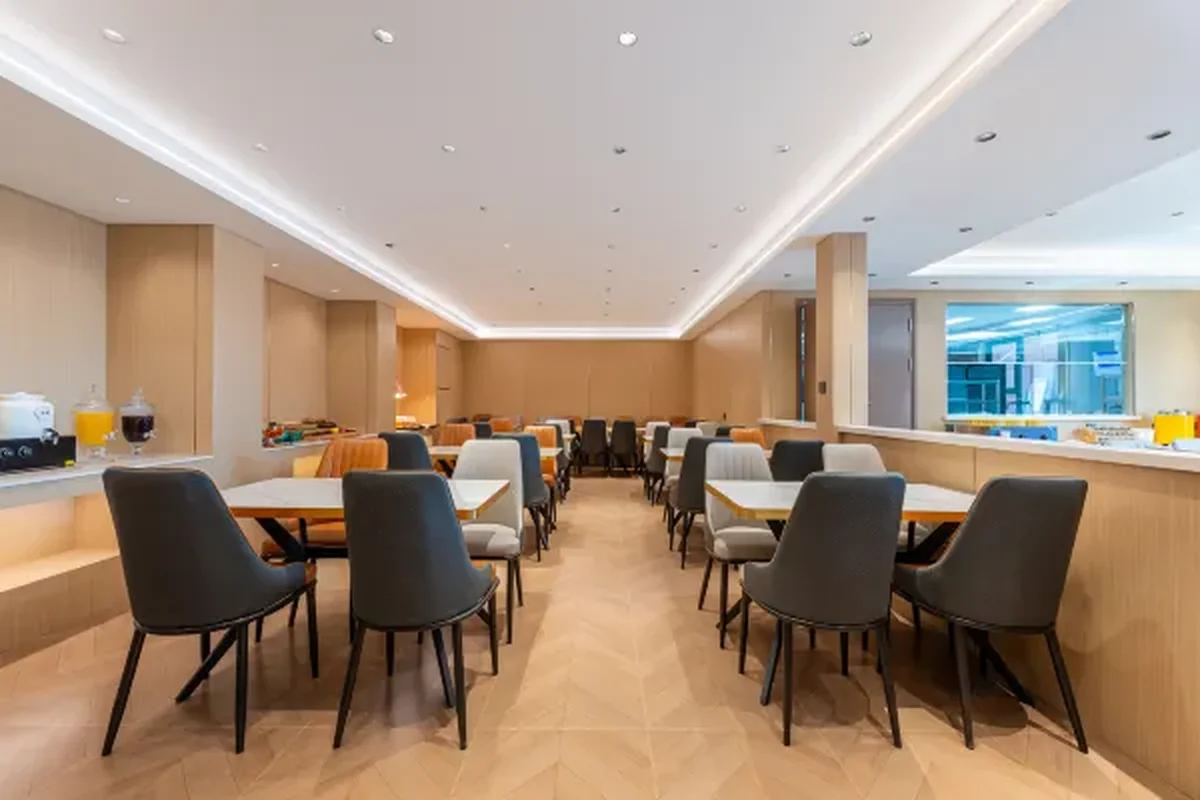
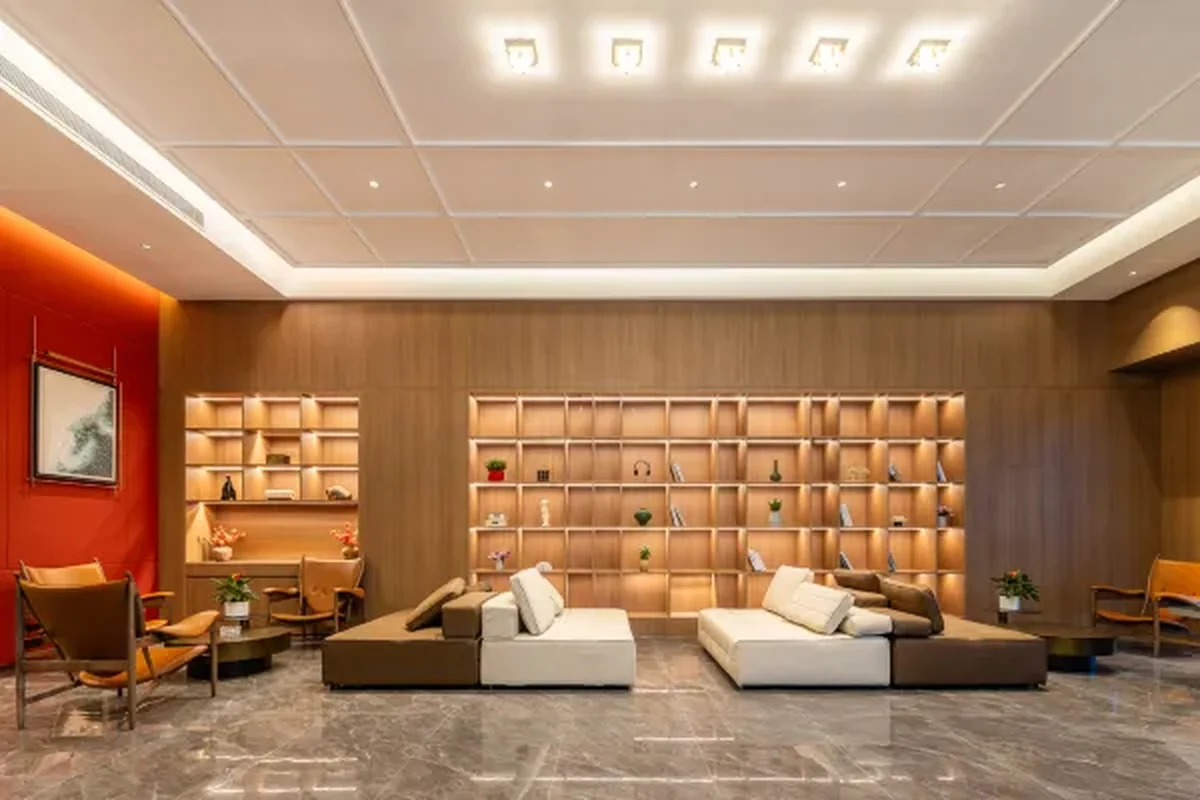
Four-star equivalent rooms throughout, clean and well equipped. Different room types can be arranged on request, and every room includes daily breakfast.