
Chongqing Metro to Add Thai Announcements: Why Thai Visitors Are Now Chongqing’s Fastest-Growing Inbound Market
At its 15 September 2026 policy briefing, Chongqing announced that before the National Day holiday, key metro stations…
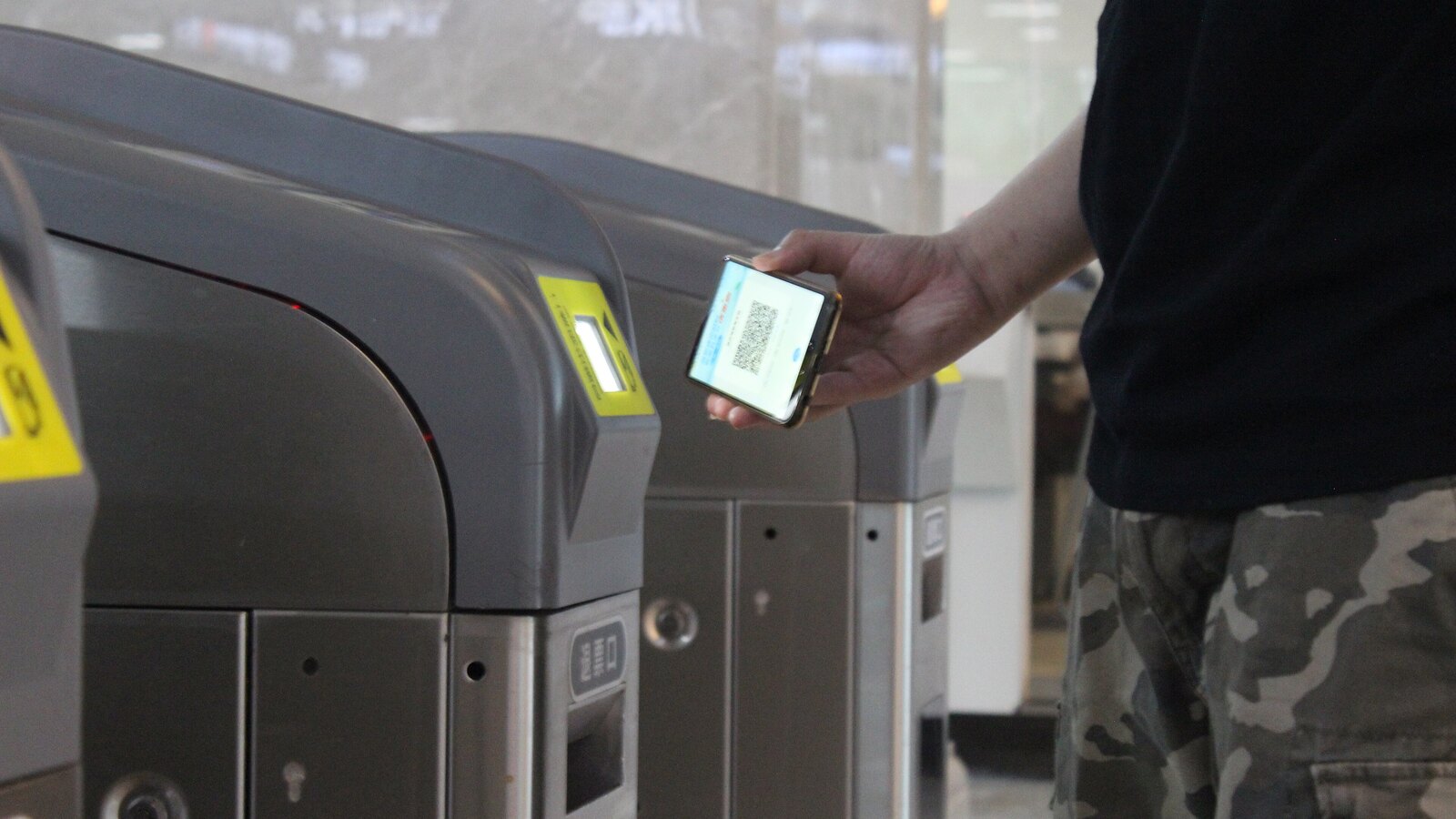
At its 15 September 2026 policy briefing, Chongqing announced that before the National Day holiday, key metro stations including Chaotianmen and Xiaoshizi will introduce trilingual announcements in Mandarin, English and Thai — driven by a 154.1% year-on-year surge in Thai overnight visitors.
On 15 September 2026, the Information Office of the Chongqing Municipal People's Government held a routine policy briefing to present the Three-Year Action Plan for Improving Services for Overseas Visitors and Accelerating the Development of an Internationalised Environment in Chongqing. At the briefing, Hao Yi, Deputy Director of the Chongqing Municipal Transport Commission, announced that before this year's National Day holiday, Chongqing will introduce trilingual station announcements — Mandarin, English and Thai — at key metro stations including Chaotianmen and Xiaoshizi.
Why Thai? The numbers tell the story
Adding Thai to the Chongqing metro is not a gimmick. It is a service upgrade driven by a clear shift in where the city's visitors come from.
- From January to July 2026, Chongqing's overnight visitors from Thailand grew by 154.1% year on year, keeping Thailand among the city's top source markets;
- In the first half of 2026, Chongqing Jiangbei International Airport handled over 1.48 million inbound and outbound passengers, up 39.5% year on year — the fastest growth among China's ten largest airports;
- Of these, foreign nationals totalled more than 610,000, up 86%; those travelling under visa-free or 240-hour transit visa-free arrangements reached over 210,000, up 83.6%;
- ASEAN visitors dominate the rankings, with Thailand, Malaysia, Singapore, Vietnam and Indonesia as the top five source countries.
In other words, the "Thai quotient" on Chongqing's streets is rising visibly. At Hongyadong, Jiefangbei and the Liziba viewing platform, Thai has become one of the most frequently heard languages after Mandarin.
Why Chaotianmen and Xiaoshizi first
The two stations were not chosen at random. Chaotianmen Station and Xiaoshizi Station on Line 1 sit at the heart of the Yuzhong Peninsula, adjacent to Chaotianmen Wharf, Hongyadong and the Jiefangbei pedestrian area — the landmarks almost every overseas visitor passes through on arrival. For a traveller landing in this hillside city for the first time, hearing their own language announced on the metro is often the first confirmation that the city is glad they came.
The first stations to go live will be Chaotianmen and Xiaoshizi; other major stations are expected to follow, although the full list has not yet been published.
More than announcements: a service network from arrival to departure
Trilingual announcements are only one part of Chongqing's international transport service system. Built around the "1+4+N" framework (one airport, four high-speed rail stations and multiple metro stations), the city has already put the following in place:
- Signage: bilingual Chinese–English signage completed at Jiangbei Airport, four high-speed rail stations and key metro stations;
- Announcements: bilingual Chinese–English announcements on 13 metro lines and 10 key bus routes, with Thai now added at major stations;
- Payments: major transport hubs and metro stations accept Visa, Mastercard and JCB cards; buses, metro and taxis support WeChat Pay and Alipay linked to foreign bank cards;
- Language support: international service counters at Jiangbei Airport and Chongqing North Railway Station, plus multilingual translation devices at 24 metro stations;
- Staff training: nearly 100,000 person-times of international service training for transport staff each year.
What comes next
According to the briefing, the Municipal Transport Commission will continue working on four fronts:
- Friendlier language services: multilingual travel guides at key transport hubs, and an expanded roll-out of trilingual announcements in response to strong Southeast Asian demand;
- More thoughtful travel services: English-language booking flows on ride-hailing platforms, and pilot three-day and five-day metro passes across the "1+4+N" network;
- A more professional front line: continued training in basic foreign languages, international etiquette and emergency response;
- Better integration of transport and tourism: themed products built around Liziba's "train through a building", the Yangtze River Cableway and two-river night cruises, plus direct services to Mount Xiannv, the Dazu Rock Carvings and the Three Gorges.
What it means if you are planning a trip to Chongqing
For a first-time visitor, the practical benefits are immediate:
- No more guessing your stop. Travellers who cannot follow Chinese announcements previously had to double-check maps or ask a neighbour; trilingual announcements make transfers and alighting far easier;
- No need to carry cash. Foreign bank cards work directly at hub stations, and WeChat Pay or Alipay can be linked to foreign cards for metro and bus travel;
- Someone to ask. Translation devices at 24 metro stations, plus international service counters at the airport and Chongqing North station.
Those visiting around the National Day holiday will have a good chance of being among the first passengers to hear the new announcements.
Jadetour's recommendations
With more flights between China and Thailand and continued visa-free facilitation, Chongqing is increasingly seen by Southeast Asian travellers as "the first stop into China". If you are planning a Chongqing trip, we suggest:
- Put Liziba, the Yangtze River Cableway and the two-river night cruise in the first half of your itinerary — understanding the city's three-dimensional geography early makes everything afterwards flow better;
- Allow a full day for outlying destinations such as Wulong's Three Natural Bridges or the Dazu Rock Carvings. Dedicated services make access easier, but the distances are significant and they should not be compressed into a city day;
- Expect higher prices and crowds during the National Day golden week. If your dates are flexible, mid-to-late October offers cooler weather and a far more relaxed experience.
This article is compiled from the routine policy briefing held by the Information Office of the Chongqing Municipal People's Government on 15 September 2026, together with published data and statements from the Chongqing Municipal Transport Commission and the Chongqing General Station of Exit and Entry Frontier Inspection.
Need help planning this trip?
Tell us your travel dates and group size — we reply within 24 hours.
WhatsApp +86 183 1705 8017 · WeChat 18317058017
Destinations in this guide

Related Tours



More Guides
Flying with a Pet to and from China: Cabin, Hold and Quarantine in 2026
Cabin, live-animal hold or cargo, plus quarantine certificates, the 21-day rabies rule and China entry requirements.
10/17/2026
Solo Female Travel in China: Safety, Night Transport and a 2026 Checklist
Registration, late-night rides, payments and emergency numbers: a practical 2026 checklist for women travelling alone in China.
10/17/2026
Student Travel in China: 2026 Rail Fare Rules and the Best Hands-On Activities by City
A practical guide to study tours in China: 2026 rail student fare scope, visa-free basis for camps, hands-on activities by city, and group safety standards.
10/16/2026