
Xinjiang In Depth: Why You Must Choose North or South, Kanas & Hemu, and Cultural Kashgar
The size of four Frances — pick north or south per trip. Covers Kanas and Hemu logistics, the Ili grasslands, cultural…
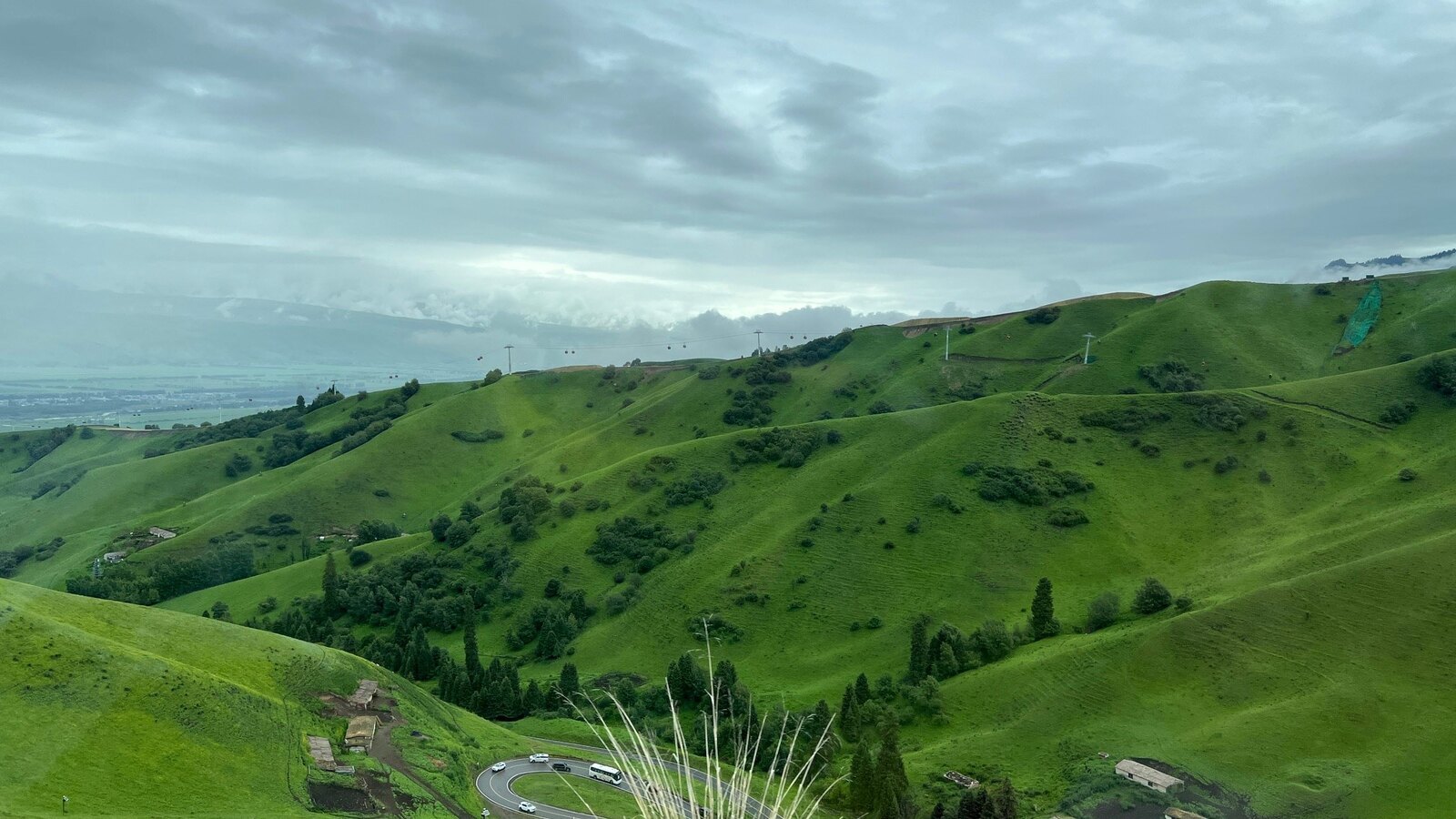
The size of four Frances — pick north or south per trip. Covers Kanas and Hemu logistics, the Ili grasslands, cultural Kashgar, and the security-check and etiquette rules guests must know.
Xinjiang occupies an unusual place in travel through China: it covers roughly one sixth of the country — larger than France, Germany and Spain combined. That means two things. First, you cannot "do Xinjiang in one trip". Second, in Xinjiang, flying is not a luxury, it is a necessity. Treating it like an ordinary province is the first mistake everyone makes.
Start with the geography: Xinjiang is three regions, not one
The Tianshan range splits Xinjiang into north and south, and the Turpan–Hami basin adds a third region to the east. The three have completely different characters:
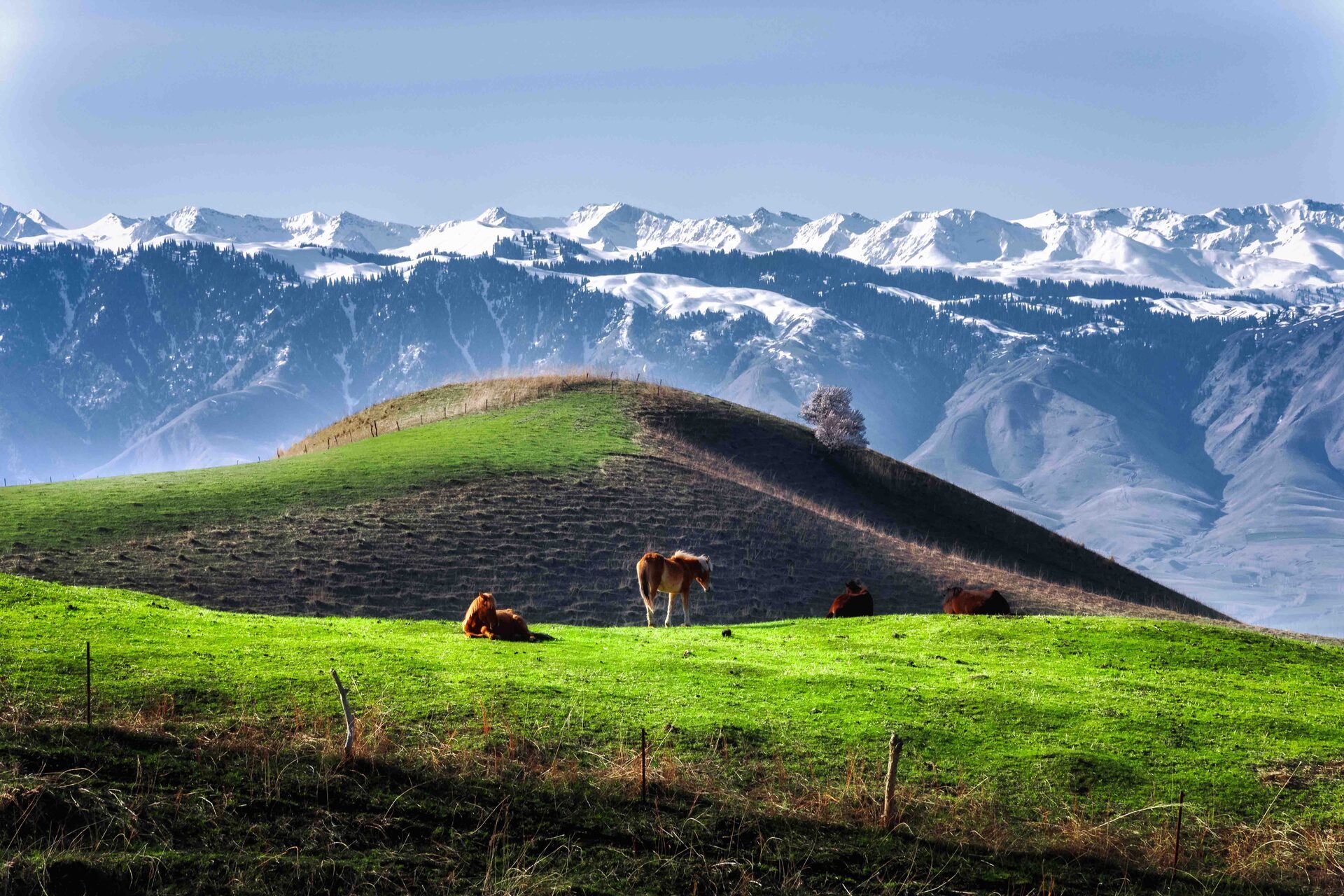
- Northern Xinjiang (Altay, Ili): snow mountains, grasslands, lakes and birch forest. Kanas, Hemu, Sayram Lake and Nalati are all here. The scenery reads as "Swiss", and it is the most popular region.
- Southern Xinjiang (Kashgar, Pamir): desert, oases, old cities and Uyghur culture. The Kashgar old town, the Taklamakan and the Pamir plateau are the core. The cultural weight far exceeds the natural.
- Eastern Xinjiang (Turpan, Hami): basin, gobi, karez irrigation channels and Grape Valley. Closest to Urumqi, and usually combined with it.
The key call: the entire Tianshan range lies between north and south — Urumqi to Kashgar is about 1,400 km. Choose one region per trip; forcing both means seventy percent of your time on the road.
When to go
- May to mid-June: Ili's grasslands turn green and flower, with snow peaks behind them. Fewer visitors — the best value window.
- Mid-June to early July: lavender season around Huocheng, fields of purple.
- July to August: the north at its best — Kanas, Hemu and Nalati are greenest and coolest. Also the summer peak.
- Mid-September to early October: autumn colour in the north. Golden birch against the lakes at Kanas and Hemu — the most spectacular stretch of the year, and it lasts only two or three weeks.
- March–May and September–November (Turpan): Turpan's summer surface temperatures are extreme; spring and autumn are the sane seasons.
- December to February: ski season in Altay. Koktokay and Jiangjunshan are top-tier Chinese ski areas, with fewer people and lower prices.
- Avoid: National Day week. Kanas and Hemu have limited capacity, and both prices and crowding peak then.
The north: how to structure Kanas and Hemu
Kanas is the core of the north, usually combined with Hemu and Baihaba. Three judgements:
- Stay a night in Hemu. Hemu's value is dawn smoke and morning mist — impossible on a day trip. A daytime-only visit wastes it.
- Shuttle buses are a hard constraint. Outside vehicles are banned from the core areas of both Kanas and Hemu; you transfer to park shuttles, and transfer points and timetables directly shape your day.
- Fish-viewing Terrace and the Three Bays. The terrace above Kanas Lake needs about a thousand steps and gives the best overview; the Three Bays — Wolong, Moon and Immortal — unfold along the main road and are usually taken on the way back.
Getting there: flying Urumqi to Kanas (Burqin) takes about 90 minutes and is the most efficient option. By road it is over ten hours each way, consuming a whole day.
Ili: grasslands and lakes
- Sayram Lake: known as "the last tear of the Atlantic". The ring road around the lake is itself the attraction, and the water colour shifts most at dawn and dusk.
- Nalati Grassland: both "sky grassland" and river valley forms — the archetype of Ili.
- Guozigou Bridge: a viaduct spanning a valley, the most photogenic stretch of the Lianhuo expressway.
- Duku Highway: linking Dushanzi and Kuqa, cutting straight through the Tianshan — the road drivers dream about. It only opens roughly June to October; confirm the current year's announcement, as it is closed the rest of the year.
The south: Kashgar and cultural Xinjiang
If the north is scenery, the south is life. The Kashgar old town is the only maze-like old city in China shaped by Islamic culture, and its raised dwellings, craft workshops and century-old teahouses form a complete urban fabric.
- Kashgar old town: do not just walk the main street. The value is in the lanes — carved lintels, coppersmiths, naan ovens — and it needs slow walking.
- Id Kah Mosque: the largest mosque in Xinjiang and the geographic and cultural centre of Kashgar.
- Xiangfei Garden and the Apak Hoja Mausoleum: Islamic tomb architecture combined with gardens.
- The Pamir and the Karakoram Highway: heading toward Tashkurgan on the China–Pakistan Friendship Highway, Baisha Lake, Karakul Lake and Muztagh Ata appear in sequence. A border permit is required for Tashkurgan — arrange it in advance.
Everyday rules in Xinjiang: brief your guests in advance
- Security checks and documents: checks are strict — malls, metro, petrol stations and scenic areas all require screening. Carry your passport or ID at all times; do not leave it in the hotel.
- Time: Xinjiang runs on Beijing time administratively, but locally it feels about two hours later — in summer it is still light at 10 p.m. Schedule meals to local rhythm, not to Beijing clock.
- Food and custom: halal restaurants serve no pork and no alcohol. Respect local dietary rules and do not bring your own alcohol into a halal restaurant.
- Photography: ask before photographing local people, especially older people and women. This is the single most important courtesy in the south.
- Climate: big day–night temperature swings, strong UV and very dry air. Bring sun protection, lip balm, moisturiser and a warm layer.
- Connectivity: signal is weak in some areas; download offline maps before long drives.
How to structure the trip: 7 days north, 7 days south
Northern Xinjiang, 7 days (nature)
- Days 1–2: arrive Urumqi → Tianchi (Heavenly Lake) → fly to Altay / Kanas.
- Days 3–4: Kanas (Fish-viewing Terrace, Three Bays) → Hemu, overnight in the village.
- Day 5: Hemu at dawn → back to Burqin.
- Days 6–7: fly to Yining → Sayram Lake → Nalati → departure.
Southern Xinjiang, 7 days (culture)
Urumqi → fly to Kashgar → old town and Id Kah → Pamir and Karakul Lake → Tashkurgan → back to Kashgar, extending to Kuqa or Hotan. We already run both the northern nature route and the southern culture route as fixed itineraries — see the related tours section.
Common misconceptions
- "Do Xinjiang in one trip." It is the size of four Frances. Pick north or south, firmly.
- "Overland is better value than flying." In Xinjiang the money you save on a flight is usually a day of your trip.
- "Hemu does not need an overnight." Hemu's best hour is at dawn; a day trip means you never saw it.
- "Xinjiang is only scenery." The south's culture matches the north's nature — they are entirely different journeys.
Need help planning this trip?
Tell us your travel dates and group size — we reply within 24 hours.
WhatsApp +86 183 1705 8017 · WeChat 18317058017
Destinations in this guide
Related Tours

Splendid Three Lakes · 8 Days Xinjiang North Loop (Tianchi Lake + Hemu + Kanas + World Devil City + Sayram Lake)
5-10 Days

Two Lakes of the North · 8 Days Xinjiang Winter (Jiangjun Mountain Cable Car + Kanas & Hemu + Jikepulin Skiing + Sayram Lake)
5-10 Days

Frozen Wonderland · 8 Days Xinjiang North (Baihaba + Kanas Three Bays + Hemu + Sayram Lake Blue Ice)
5-10 Days
More Guides

Flying with a Pet to and from China: Cabin, Hold and Quarantine in 2026
Cabin, live-animal hold or cargo, plus quarantine certificates, the 21-day rabies rule and China entry requirements.
10/17/2026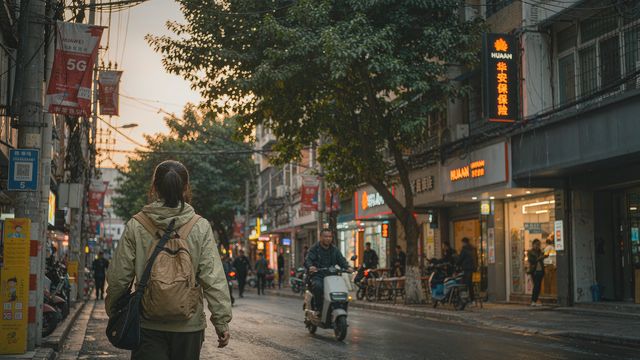
Solo Female Travel in China: Safety, Night Transport and a 2026 Checklist
Registration, late-night rides, payments and emergency numbers: a practical 2026 checklist for women travelling alone in China.
10/17/2026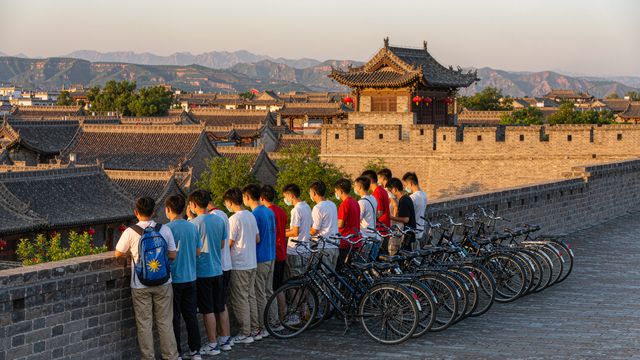
Student Travel in China: 2026 Rail Fare Rules and the Best Hands-On Activities by City
A practical guide to study tours in China: 2026 rail student fare scope, visa-free basis for camps, hands-on activities by city, and group safety standards.
10/16/2026