
Money in China 2026: Exchange Rates, ATMs, Cash Limits and Departure Tax Refunds
How money works in China in 2026: the notes and coins, current exchange rates, where to change money, ATM withdrawal ca…
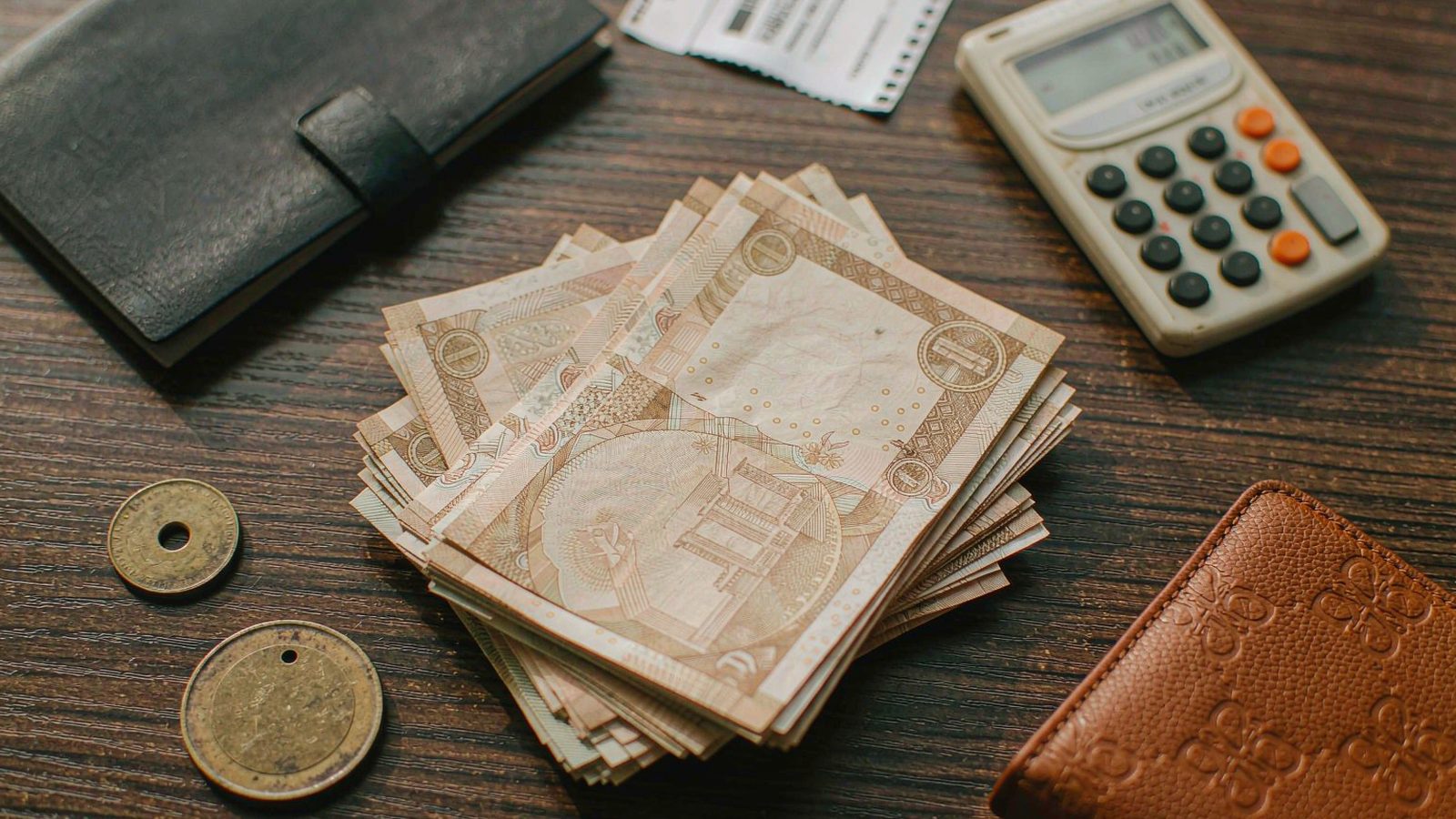
How money works in China in 2026: the notes and coins, current exchange rates, where to change money, ATM withdrawal caps and fees, cash limits at the border, and the upgraded departure tax refund.
The first thing that unsettles most visitors to China is not the language - it is money. The exchange desk at the airport quotes a rate that feels off. The ATM swallows your card and there is no one to ask. A shopkeeper says "we do not take cash today" and you are not sure whether that is even legal. By 2026 the electronic-payment side has become almost frictionless for foreign visitors, yet cash remains your most dependable fallback when the phone dies, the signal drops, or the stall owner simply prefers notes. Three questions are left: how much to carry, where to change money, and which expenses you can avoid entirely.
This guide walks through it in order: understanding the notes, reading the exchange rate, ranking the places to change money, drawing cash from ATMs, combining cash with QR payments, the legal limits on carrying money across the border, the upgraded departure tax-refund rules, and the everyday traps worth avoiding. For anything related to visas and immigration documents, always follow the latest notices from the Chinese embassy or consulate in your country and from China's National Immigration Administration. We do not provide visa application services.
1. Know the renminbi: units, notes and three common mix-ups
The currency code is CNY, also written RMB internationally, and its symbol is ¥. The structure is simpler than in many countries:
- 1 yuan = 10 jiao = 100 fen. In speech, "kuai" means yuan and "mao" means jiao, so "san kuai wu" is 3.5 yuan.
- Six banknotes circulate: 100, 50, 20, 10, 5 and 1 yuan. The 100-yuan note is by far the most used - and the one where counterfeit risk concentrates.
- Three coins circulate: 1 yuan, 5 jiao (0.5 yuan) and 1 jiao (0.1 yuan). Northern cities handle coins more; southern cities prefer notes.
- Withdrawn: the fourth-series notes of 1 yuan and above stopped circulating on 1 May 2018, and shops may refuse them. If you end up with one, any bank branch will exchange it at face value.
The three mix-ups travellers make most often: confusing the green 50-yuan note with the brown 20-yuan note under evening light; not checking 10-yuan against 1-yuan change, since both look blue with the number near the edge; and handing over a 100-yuan note for a small purchase. A practical routine: pay by QR or card for anything large, keep the 100-yuan notes for hotel deposits and attraction tickets where you get a proper receipt, and reserve small change for taxis, street food and temple incense.
2. October 2026 exchange rates: how much to change
The renminbi floats, so the widely quoted "1 US dollar = 7.3 yuan" is out of date. The table below reflects bank rates published on 1 October 2026 (yuan per one unit of foreign currency; the buying rate is what the bank pays for foreign currency, the selling rate is what you pay when buying it):
| Currency | Buying rate | Selling rate | 100 units ≈ |
|---|---|---|---|
| US dollar USD | 6.6936 | 6.7218 | 672 yuan |
| Euro EUR | 7.5767 | 7.6300 | 763 yuan |
| Pound sterling GBP | 8.8620 | 8.9242 | 892 yuan |
| Hong Kong dollar HKD | 0.8530 | 0.8564 | 85.6 yuan |
| Singapore dollar SGD | 5.2311 | 5.2678 | 527 yuan |
| Australian dollar AUD | 4.6457 | 4.6783 | 468 yuan |
| Thai baht THB | 0.1988 | 0.2004 | 20 yuan |
| Japanese yen JPY | 0.0425 | 0.0428 | 4.28 yuan |
A memorable rule of thumb: one US dollar is roughly 6.7 yuan, one yuan is roughly 5 Thai baht, and 100 Japanese yen is roughly 4.3 yuan. Treat these as a single day's quote and re-check before you travel. Rates move daily, and the cash rate is usually slightly worse than the transfer rate because physical notes carry counting and transport costs.
3. Where to change money: four channels ranked
- Best: a bank counter inside China. Bank of China, ICBC, China Construction Bank and others all handle it; bring your passport. Bank of China holds the widest stock of foreign cash, including in smaller cities. Rates are transparent with no hidden fees; the only cost is queueing.
- Second best: withdraw from an ATM with an overseas UnionPay card. If your issuer waives cross-border withdrawal fees, this is one of the cheapest options, settled at the UnionPay rate of the day - often 1% to 3% better than an airport desk.
- Third: airport and border exchange desks. Long hours and convenient, but the spread is wide. Fine for an emergency 200 to 300 yuan on arrival, poor for large amounts.
- Avoid: hotel front desks and unlicensed street changers. The former offer weak rates; the latter bring counterfeit and short-change risk. Private currency exchange between individuals is not legally protected in China, so a fake note cannot be recovered.
One easily missed detail: renminbi is hard to convert back in most countries once you leave China. Try to spend down large amounts before departure or keep the remainder for a future trip - holding it is usually better than converting it back.
4. ATM withdrawals: per-transaction caps, fees and swallowed cards
China's ATM network is dense: shopping centres, metro stations and convenience stores all have machines. Machines displaying the UnionPay logo are the most foreign-card friendly, and Visa or Mastercard generally works at the main branches of the big four banks.
- Per-transaction cap: most banks set 2,000 to 3,000 yuan per withdrawal. To take more, make several withdrawals - but fees are charged per transaction, so one maximum withdrawal beats five small ones.
- Daily cap: usually set by your issuing bank rather than by China, commonly the equivalent of 5,000 to 20,000 yuan. Calling your bank to register your travel dates greatly reduces the chance of a fraud block.
- Fees have three parts: your issuer's cross-border fee, the card network's 1% to 3% conversion fee, and occasionally a local surcharge. The machine must disclose a surcharge before completing, so walk to another machine if the fixed fee looks unreasonable.
- Swallowed card: stay at the machine first - most ATMs return the card within 30 seconds. If it is genuinely retained, call the bank number printed on the machine to block it and collect it from that branch with your passport. This is why carrying a second card matters.
A more advanced option is a digital yuan (e-CNY) wallet: in some cities you can top up an anonymous wallet with an overseas bank card at no fee, giving you a zero-cost backup wallet.
5. Should you still carry cash? Card for big, QR for small, cash as backup
This is the configuration locals and repeat visitors recommend:
- Card for large amounts - hotel deposits, mall purchases, and the original transactions behind a tax refund. Receipts are complete, which matters for refunds and reimbursements.
- QR for small amounts - taxis, metro, bubble tea, street snacks. Fast and no change required.
- Cash as backup - keep 300 to 1,500 yuan on you for a dead phone, weak signal in scenic areas, elderly vendors who only take notes, and temple donation boxes.
One point of law worth knowing: the renminbi is China's legal tender, and no merchant may refuse cash purely on the grounds of "we do not take cash" (practical inconvenience can be discussed, but outright refusal does not comply with the rules). So when someone says "QR only", you may insist on cash - and if they still refuse, reporting it to the local market regulator is an effective channel.
6. How mobile payment fills the gap: linking foreign cards and the current limits
In 2026, linking an international card to Alipay or WeChat Pay takes four steps: download the app, register with a foreign phone number, upload your passport, and link the card. Passport verification is largely automated and usually finishes within ten minutes. What actually matters is the limits and fees:
| Item | Alipay | WeChat Pay |
|---|---|---|
| Card networks | Visa, Mastercard, AmEx, JCB, Discover and more | Visa, Mastercard, AmEx, JCB, Discover, UnionPay and more |
| Regulatory ceiling | USD 5,000 per transaction, USD 50,000 per year | USD 5,000 per transaction, USD 50,000 per year |
| Renminbi ceiling | Subject to your issuing bank | CNY 6,000 per transaction, 50,000 monthly, 60,000 yearly |
| Fee | Free at or below 200 yuan, about 3% above | Free at or below 200 yuan, about 3% above |
Two practical notes. First, the 200-yuan fee-free threshold is a hard line; if a merchant is willing to split a payment, confirm first - most will not split a single purchase to save a few yuan. Second, once a foreign card is linked you cannot transfer money to friends, send red packets, or receive payments; merchant consumption only. That is a regulatory requirement, not an app defect. If your card is a UnionPay card, linking it directly avoids the currency-conversion fee and is the cheapest combination.
7. Carrying cash across the border: 20,000 yuan and 5,000 US dollars are hard lines
This is the rule most often overlooked and the one most likely to cause a problem at the border. Under current China Customs rules:
| Situation | Limit | Requirement |
|---|---|---|
| Renminbi cash, entering or leaving | Up to 20,000 yuan per person per trip | Amounts above this are not released |
| Foreign cash entering China | Up to USD 5,000 equivalent | Above this you must declare in writing |
| Foreign cash leaving China | Up to USD 5,000 equivalent | No permit needed; Customs releases it |
| Leaving with USD 5,000 to 10,000 | Requires a foreign-exchange export permit | Obtain it from a bank; Customs verifies the stamp |
| Leaving with more than USD 10,000 | Requires a permit from the foreign-exchange authority | Carrying such amounts personally is generally not permitted |
Put plainly: at about 6.7 yuan per dollar, USD 5,000 is roughly 33,500 yuan, well above the 20,000-yuan hard line for renminbi. So if you carry US dollars, the binding limit is on the foreign-currency side; if you carry renminbi, 20,000 yuan is your ceiling. Declaring honestly carries no fine - concealment can. Declaring is just one form, and it takes a few minutes.
8. Departure tax refund 2.0: from 200 yuan, up to 20,000 in cash
If you plan to buy anything substantial in China - silk, porcelain, drones, folding-screen phones, designer collectibles - the departure tax refund is worth claiming. The rules were relaxed in April 2025 and upgraded again to version 2.0 in 2026:
- The minimum spend for eligibility dropped from 500 yuan to 200 yuan, so smaller purchases qualify too.
- The cash refund ceiling rose from 10,000 yuan to 20,000 yuan.
- Refund rates: 11% for goods carrying 13% VAT, and 8% for goods carrying 9% VAT.
- "Buy now, refund now" has moved from pilot cities to nationwide and in 2026 became mutually recognised across regions, with the departure window unified at 28 days - you can receive the refund on the spot and spend it again.
- Paperless processing: Customs and agents can pull the refund form and invoice automatically once your identity is entered, so a lost paper receipt no longer automatically disqualifies you.
- Sampling instead of full inspection: refund applications under 10,000 yuan are now spot-checked, and only selected travellers need a physical Customs inspection, which has cut queueing noticeably.
By 2026 there are roughly 14,000 refund shops nationwide. Three practical points: look for the departure tax-refund sign before you buy, since purchases outside such shops are not eligible; keep the original invoice and refund form and leave goods sealed where possible; and allow time at the port, because even with roughly 45% faster processing, peak season still queues. In Chengdu, for example, both Shuangliu and Tianfu airports now have refund counters, so you can handle it at whichever you depart from.
9. Tipping, bargaining and three everyday traps
- Tipping is not expected. China has no mandatory tipping culture and restaurant bills do not include a tip. Upscale hotels and some international restaurants may add a 10% to 15% service charge, in which case nothing further is needed. Tipping a guide or driver is a voluntary gesture of appreciation.
- Bargaining only works in specific places. Wet markets, wholesale goods markets and stalls outside attractions are negotiable; malls, chain stores, convenience stores, the metro and supermarkets are fixed-price, and haggling there is simply rude.
- Three frequent traps: unlicensed drivers and guides who tout low prices - if the price is vague, do not get in, and use a proper ride-hailing app; "high-priced incense" outside temples, when temples usually provide free or inexpensive incense inside; and notes that feel unusually soft - ask for a replacement or check them under a machine, and do not feel awkward about it.
10. Pre-departure checklist and quick answers
Ten minutes of preparation before you fly:
- Download Alipay and WeChat Pay and complete passport verification and card linking in advance; doing it after arrival without reliable data is stressful.
- Tell your issuing bank about your China itinerary and confirm cross-border withdrawals and card payments are enabled.
- Carry 300 to 1,500 yuan in cash, split across two places if you carry more.
- Keep invoices for refund-eligible purchases in your carry-on, not checked luggage.
- Save your bank's overseas service number and a copy of your passport.
Quick answers:
- Is a phone enough without cash? For 99% of situations, yes. But deep inside scenic areas, small shops in old towns, temple donation boxes and some rural transport may still take cash only. Carrying 300 yuan buys peace of mind.
- How much cash can one person bring into China? Up to 20,000 yuan in renminbi. Foreign cash above the equivalent of USD 5,000 must be declared in writing; an honest declaration is released.
- Is an ATM withdrawal with a foreign card worth it? Very much so if your issuer waives cross-border fees, since it settles at the UnionPay rate. If your issuer charges a fixed fee plus 3% conversion, swiping a UnionPay card is better.
- Is the airport the easiest place to change money? Easiest, but not cheapest. Change only one or two hundred yuan there for immediate needs and handle the rest at a city bank branch.
Get these basics straight and every payment in China becomes predictable: QR for daily life, cash for surprises, cards for large amounts, and a refund for what you are owed. If you would like the money, refund and shopping side folded into a complete itinerary, we can build one around your arrival city and route - tell us your dates and group size and we will take it from there.
Need help planning this trip?
Tell us your travel dates and group size — we reply within 24 hours.
WhatsApp +86 183 1705 8017 · WeChat 18317058017
Destinations in this guide



Related Tours



More Guides
Flying with a Pet to and from China: Cabin, Hold and Quarantine in 2026
Cabin, live-animal hold or cargo, plus quarantine certificates, the 21-day rabies rule and China entry requirements.
10/17/2026
Solo Female Travel in China: Safety, Night Transport and a 2026 Checklist
Registration, late-night rides, payments and emergency numbers: a practical 2026 checklist for women travelling alone in China.
10/17/2026
Student Travel in China: 2026 Rail Fare Rules and the Best Hands-On Activities by City
A practical guide to study tours in China: 2026 rail student fare scope, visa-free basis for camps, hands-on activities by city, and group safety standards.
10/16/2026