
The Best Time to Visit China: A Region-by-Region and Month-by-Month Guide
China has no single best season. A region-by-region and month-by-month guide, with the 2026 holiday calendar, Jiuzhaigo…
China has no single best season. A region-by-region and month-by-month guide, with the 2026 holiday calendar, Jiuzhaigou ticket rules, Tibet permit changes and crowd-dodging tactics.
When is the best time to visit China? It is one of the most frequently asked questions in travel, and one of the easiest to answer badly. Almost everyone reaches for the same reply: spring and autumn. In a country this size, that sentence means close to nothing.
China is not one climate. It is more like a dozen climate zones stacked together. In the same week, Harbin can sit at minus 25 degrees Celsius while Sanya is at 28 degrees. In the same October, Jiuzhaigou is entering the best autumn colour of the year while mountain roads in parts of Xinjiang are already closing for snow.
So the useful answer is not a season. It is a table matching destinations to months. Below we break it down region by region, and include the 2026 holiday calendar, ticket prices and visitor caps so you can plan straight from your dates.
First, a myth worth clearing up: China has no single best season
Treating China as one destination immediately runs into three problems:
- The temperature gap between north and south can exceed 50 degrees. In winter, Harbin can drop below minus 25, while Sanya in Hainan is still around 25. The claim that winter is a bad time to visit China simply does not hold in the south.
- Rain and heat arrive together, but the rainy seasons differ greatly in length. The plum rain along the eastern coast is concentrated in June and July, Yunnan's rainy season spans June to August, and most of the northwest receives very little annual rainfall, so its so-called rainy season barely matters.
- Peak season and best season are not the same thing. National Day and Spring Festival are the busiest periods, but they are rarely the most beautiful. Jiuzhaigou's autumn colour peaks in mid to late October, neatly avoiding the National Day crowds.
In other words, the right question is: what do you want to see, and then work backwards to the date and the place.
The 2026 to 2027 peak travel calendar
Public holidays in China push visitor numbers and hotel prices up sharply, and popular rail services often sell out the day tickets are released. Under the State Council's 2026 schedule, there are 33 days of leave in total:
| Holiday | 2026 dates | Days | Travel impact |
|---|---|---|---|
| New Year | 1 to 3 January | 3 | A short-trip peak; ski and hot spring routes in the north get busy |
| Spring Festival | 15 to 23 February | 9 | One of the two biggest peaks of the year; attractions and rail are extremely busy, but it is also the most complete way to experience Chinese New Year customs |
| Qingming | 4 to 6 April | 3 | Grave-visiting and short flower-viewing trips overlap, so the Jiangnan region gets busier |
| Labour Day | 1 to 5 May | 5 | The first nationwide travel surge of the year, with noticeable airfare increases |
| Dragon Boat Festival | 19 to 21 June | 3 | Relatively mild, good for short trips |
| Mid-Autumn Festival | 25 to 27 September | 3 | Only three working days before National Day, so bridging leave can create 13 consecutive days off |
| National Day | 1 to 7 October | 7 | The biggest peak of the year; cross-region travel volumes run into the billions of trips |
The 2027 Spring Festival, with New Year's Eve on 5 February and the first day of the lunar year on 6 February, can already be planned for. If your itinerary includes attractions that require real-name reservations, such as Jiuzhaigou, the Palace Museum or Zhangjiajie, competition for tickets intensifies sharply around holidays.
The north: Beijing, Chengde and Harbin
The north has the widest seasonal swing and the clearest four seasons.
- Beijing: the best windows are late September to late October, when the air is crisp, and mid-April to mid-May, during the blossom season. July and August are hot, humid and wet, while December to February is dry and cold but offers snow scenes and temple fairs. Spring Festival in Beijing is the peak of festive atmosphere and also the peak of crowds.
- Chengde: the main draw is the Mountain Resort, which is comfortable from June to August, as the name suggests. September and October bring fine autumn colour with fewer visitors than Beijing.
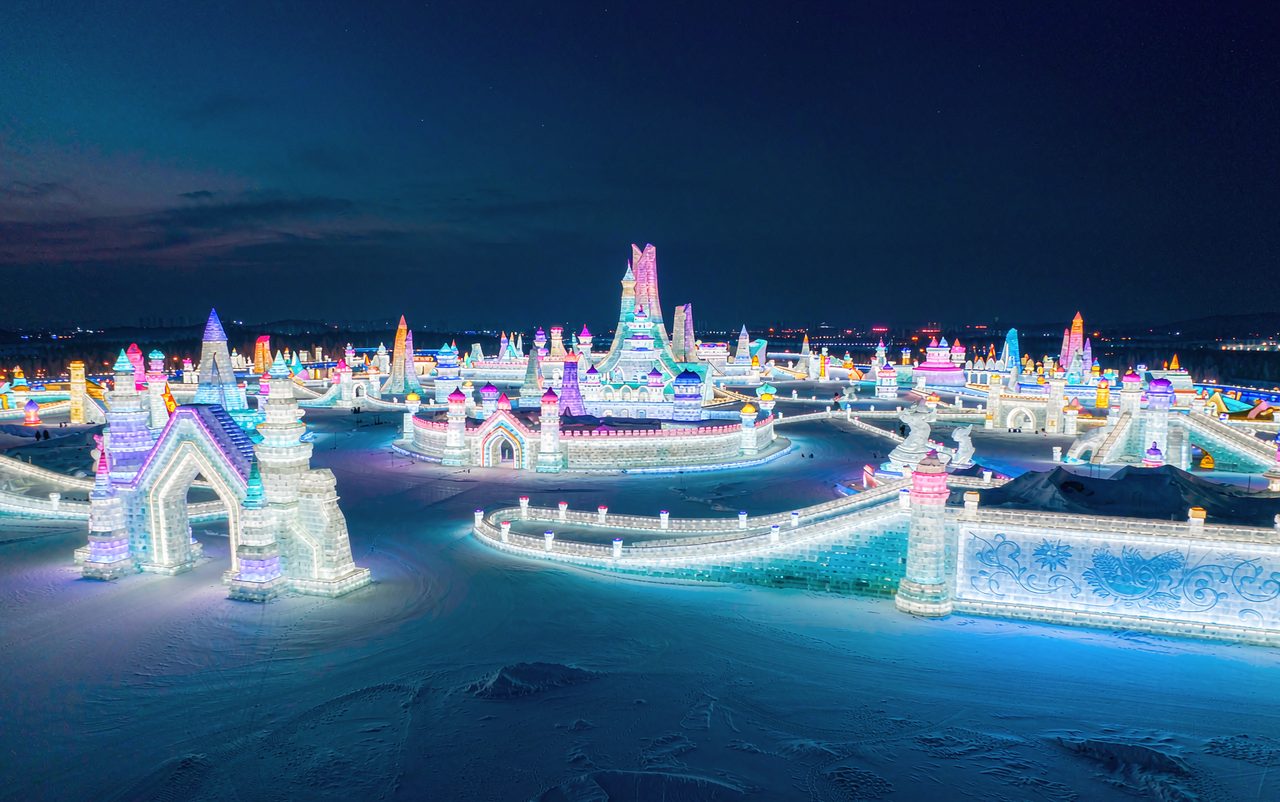
- Harbin: its best season is winter, and it is winter through and through. The Ice and Snow World usually opens in mid to late December and runs until the end of February, with the illuminated ice sculptures at night as the centrepiece. Based on the previous edition, a standard adult ticket is around 328 yuan and a concession ticket around 240 yuan, subject to the official announcement. Metro Line 2 has a dedicated station, and the entrance is a short walk from the exit, which is more reliable than a taxi. For skiing, wait until after 20 November before heading to Yabuli, when snow depth is sufficient.
One practical warning: winter outdoor temperatures in Harbin often sit between minus 20 and minus 35 degrees Celsius. Phone batteries drain rapidly and devices shut down in the cold, so keep a power bank in an inner pocket close to your body. Indoor and outdoor temperature differences are extreme, so dress in layers you can add and remove quickly.
East China: Shanghai, Suzhou, Hangzhou and Huangshan
East China is visitable all year with the most consistent experience, though some windows are clearly better than others.
- Shanghai: March to May and September to November are the most comfortable. The plum rain season runs from mid-June to mid-July, bringing high humidity and a muggy feel. Recent winters have seen occasional snow, but it cannot be counted on.
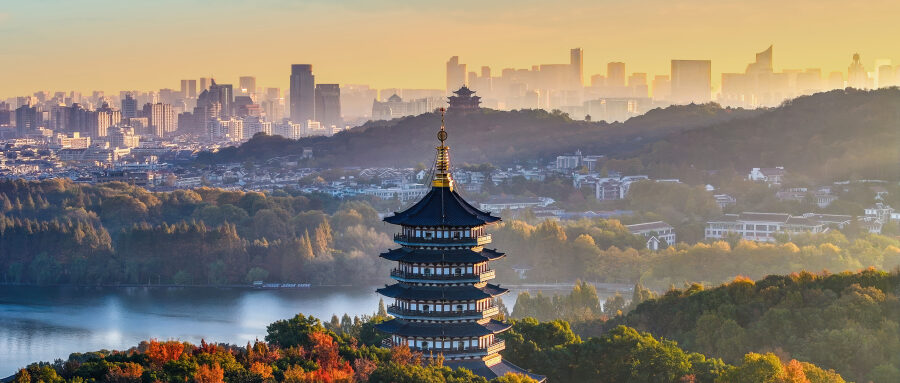
- Suzhou and Hangzhou: mid-March to mid-May is widely regarded as the best stretch, with fresh green willows, abundant blossom and the softest light on Lake Tai and West Lake. Hangzhou during osmanthus season, from late September to mid-October, is worth a dedicated trip.
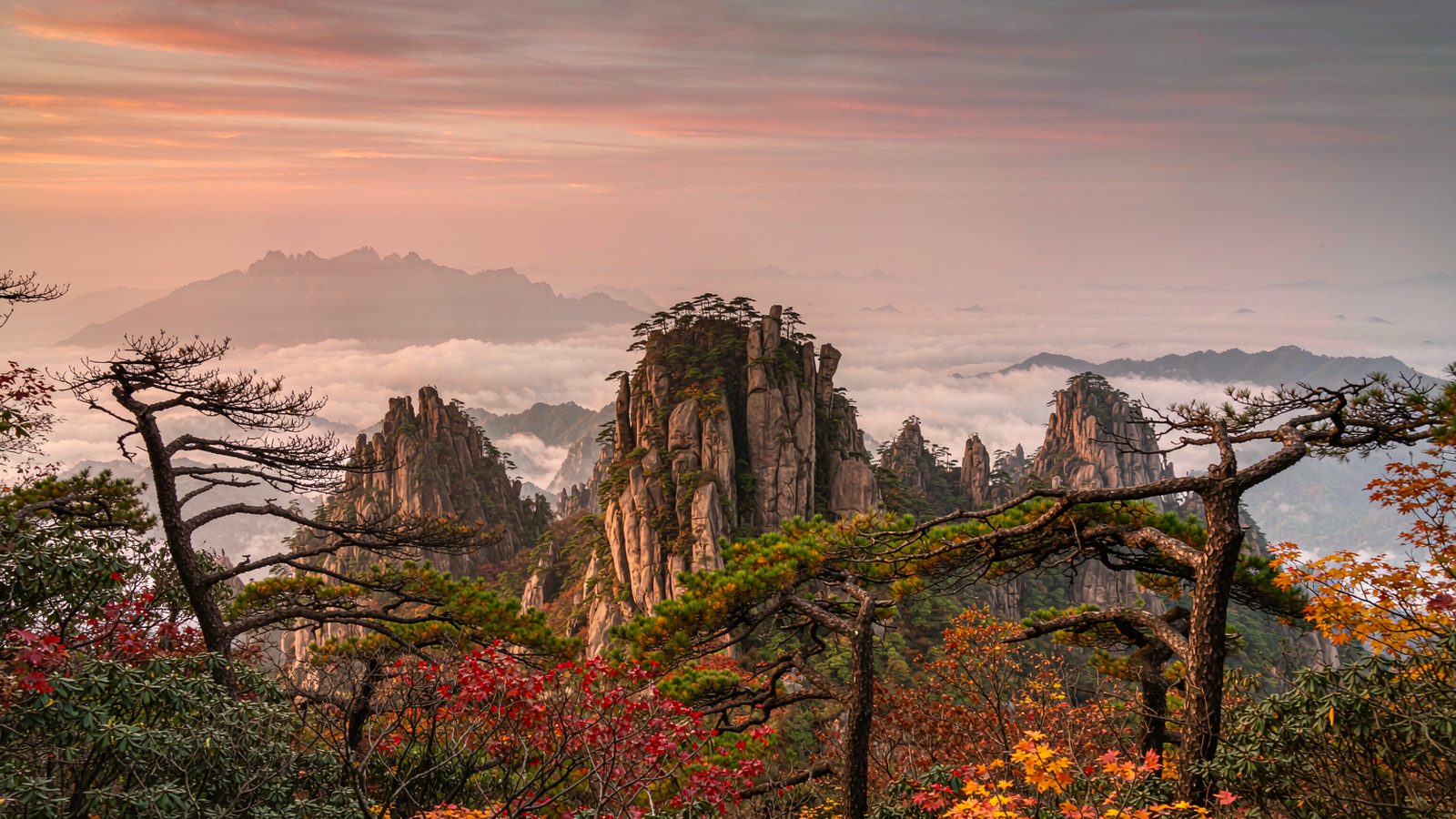
- Huangshan: there is something to see in every season: flowers in spring, seas of cloud and waterfalls in summer, red leaves in autumn, and rime and snow-covered pines in winter. Be aware that if the access roads freeze in winter, the cable car or the scenic area may close temporarily, so keep the itinerary flexible.
The biggest variable in East China is not scenery but rain. Alternating outdoor days with indoor options such as museums and classical gardens is the most effective way to hedge against the weather.
Central China: Xi'an, Luoyang, the Yangtze Gorges and Zhangjiajie
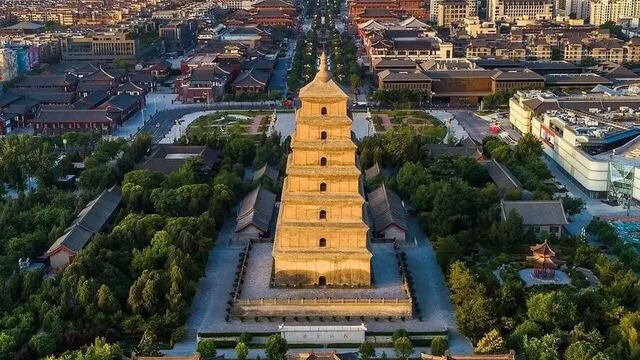
- Xi'an: the main attractions are museums and archaeological sites, so weather matters less and the city works all year. April to October is best overall, with September and October the most pleasant.
- Luoyang: the peony festival each April is the city's peak window of the year, so book accommodation very early.
- Yangtze River Gorges: spring and autumn are best for cruises, with March to May and September to November offering comfortable temperatures and stable water levels and weather. Summer is hot, but the gorge mist and shifting water levels have a drama of their own.
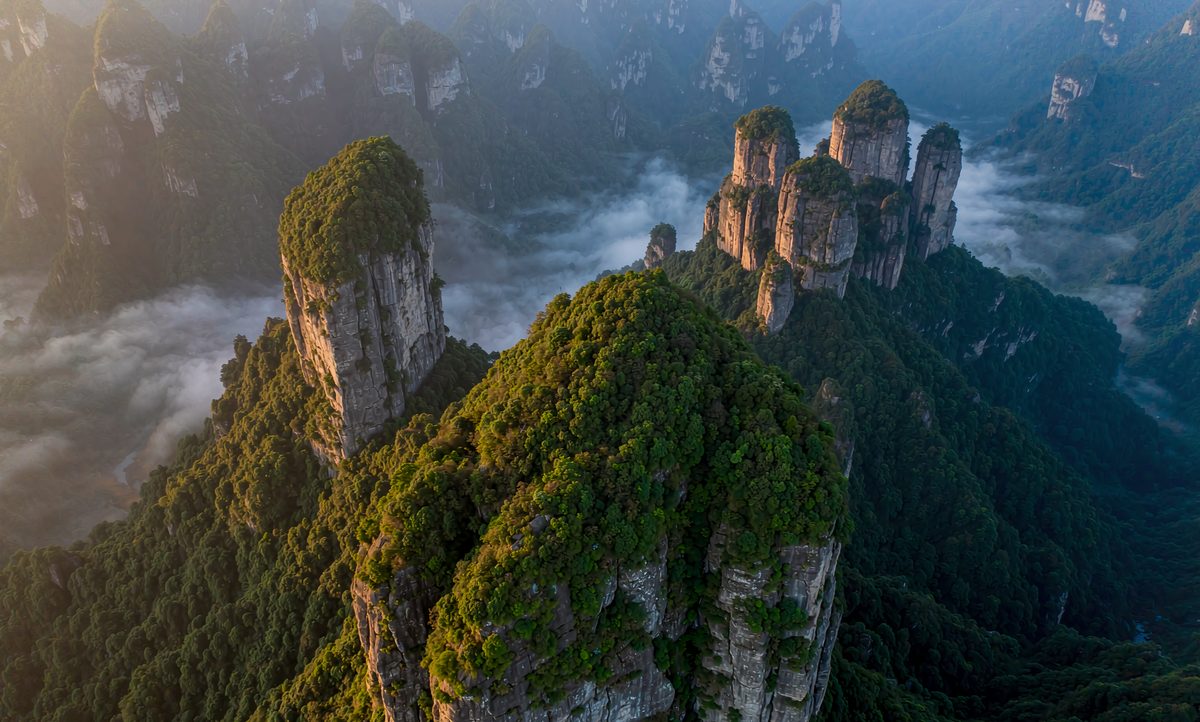
- Zhangjiajie: October averages around 12 to 22 degrees Celsius, cooler on the summits, making it one of the most comfortable windows of the year. The Wulingyuan core area charges 165 yuan for the main gate, or about 239 yuan for a combined ticket including the internal eco-buses, valid for four days. The Bailong Elevator is about 65 to 72 yuan one way and the Tianzi Mountain cable car 72 yuan one way. The main risk is the plum rain season in June and July, when mist reduces visibility unpredictably.
Southwest China: Chengdu, Chongqing, Jiuzhaigou, Yunnan and Tibet
The southwest has the most dramatic seasonal differences and is where the question of timing matters most.
- Chengdu and Chongqing: spring and autumn are best. Chongqing is famously a furnace in summer, with daytime temperatures often above 35 degrees in July and August, making outdoor activity inadvisable during the day. Chengdu is milder, but winters are short on sunshine and often overcast.
- Jiuzhaigou: peak season runs from 1 April to 15 November, with admission at 190 yuan plus a 90 yuan shuttle bus, a total of 280 yuan per person. From 16 November it switches to off season at 160 yuan total. In peak season daily admissions are capped at about 41,000 and tickets are released up to 14 days ahead at 08:00, with no on-site ticket window. Autumn colour usually peaks from mid to late October for about three weeks and is the single best window of the year. On altitude, the valley entrance is about 2,000 metres, Long Lake about 3,100 metres and Huanglong 3,100 to 3,500 metres, so visit Jiuzhaigou before Huanglong.
- Yunnan: flowers from March to May, rain from June to August, the clearest air from September to November, and the most complete snow on the mountains from December to February. If you can choose only one window, mid-September to early November is the best overall.
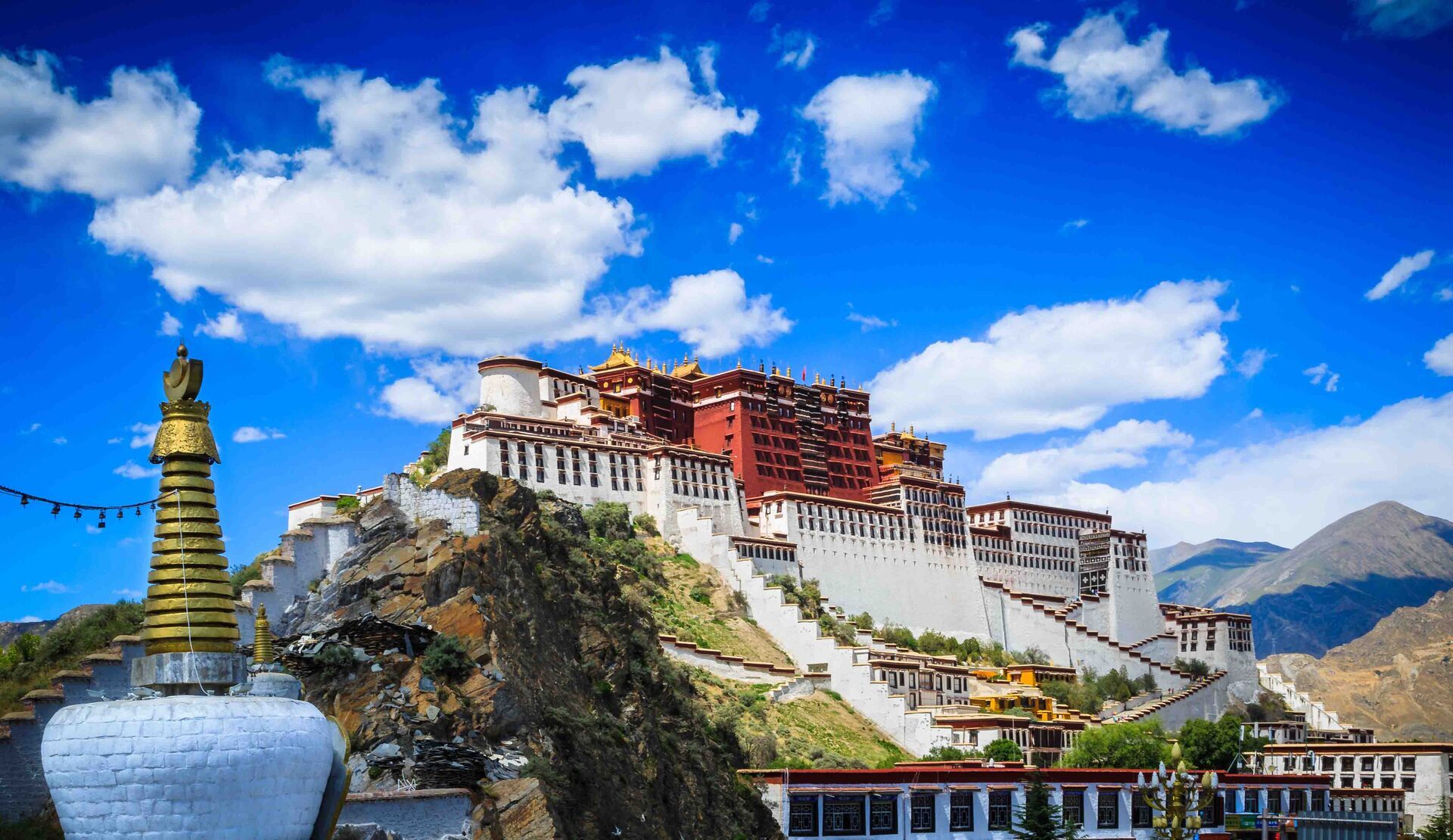
- Tibet: the best seasons are April to June and September to November. Visitors from Taiwan, China and foreign visitors must obtain a Tibet Travel Permit through a licensed travel agency based in Tibet. Approval normally takes 7 to 14 working days, and in peak season you should start 30 to 45 days ahead. Since 13 March 2026, entry requires the original permit, as photocopies are no longer accepted.
Northwest China: Dunhuang, Zhangye and Xinjiang
The critical constraint in the northwest is not temperature but the window in which routes are passable.
- Dunhuang and Zhangye: June to September is best. Rainfall is slightly higher and the air less dry, which improves the experience at the Mogao Grottoes and the Danxia landforms. July and August are hot during the day, so schedule outdoor sections for early morning and late afternoon.
- Xinjiang: a vast region where northern and southern Xinjiang have completely different seasons. The north, known for grasslands and lakes, is best from June to September, with the autumn colour at Kanas and Hemu in mid to late September as the peak of the year. The south, known for ancient towns and desert, is more comfortable in April to May and September to October. From late October, some high-altitude mountain roads begin to close for snow, so self-drive and private car itineraries must leave room for adjustments.
South China and Hong Kong, China
- Guangzhou and Xiamen: October to March is the most comfortable period, dry with little rain. April to September is hot and humid, and July to September is typhoon season, when coastal plans are easily disrupted.
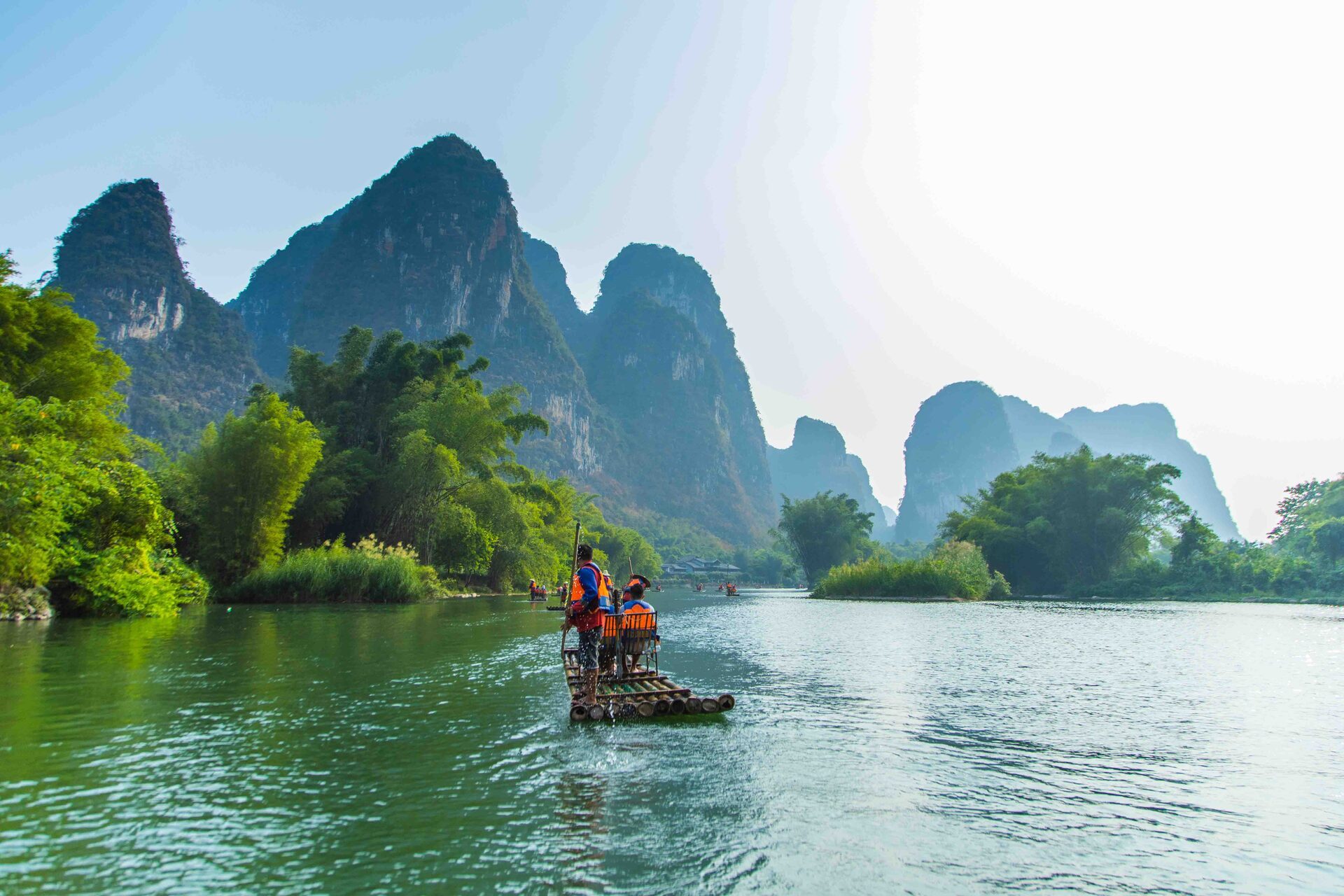
- Guilin: workable from April to October. April and May bring the misty Li River that looks like an ink painting, while September and October offer crisp air and clear water. Summer has high water levels, which makes bamboo rafting excellent, but watch for afternoon thunderstorms.
- Sanya: November to April is the golden period and the top domestic choice for escaping winter. May to October is hot and wet and falls in typhoon season.
- Hong Kong, China: October to December is the most comfortable, with moderate temperatures, low humidity and good visibility, ideal for hiking and hill walking. June to September is hot, wet and affected by typhoons.
Five practical ways to dodge the crowds
- The week before peak season often beats peak season. Take Jiuzhaigou: 8 to 15 October usually combines the first strong autumn colour with crowds an order of magnitude smaller than National Day week.
- Put attractions that need ticket lotteries at the very start of your trip. Ticket release times are fixed and 14 days ahead, so the earlier you lock them in, the calmer you will be.
- Use holidays for cities, not for scenic areas. In cities, museums, food and neighbourhood life are less affected. Famous mountains and gorges, by contrast, are almost certain to be congested.
- Allow one to two buffer days in mountain and plateau itineraries. Weather, road conditions and ticket releases can all change, and rigid plans break first.
- Follow official temporary notices. Temporary closures for weather, cable car maintenance and changes to visitor caps are all common. Confirming again one or two days before departure is essential.
Frequently asked questions
If I can visit only once and can pick any dates, which month should I choose?
Weighing scenery, weather and crowds, late September to mid-October is the most balanced window of the year. It also coincides with Mid-Autumn Festival and National Day, so flights and hotels need to be locked in early.
Is summer really a bad time to visit China?
Only half true. The eastern and southern coasts are indeed hot, humid and wet, but Xinjiang, Inner Mongolia, Qinghai, Gannan and the northeast are pleasantly cool in summer and make excellent summer retreats.
In winter, is Harbin the only option?
No. Beyond warm-weather destinations such as Sanya, Hong Kong, China and Xiamen, most of Yunnan stays sunny through winter, while Harbin and Jilin offer a completely different ice and snow theme.
Does the rainy season rule out travel entirely?
No. In Yunnan, for example, the rainy season mostly means afternoon showers with clear mornings, so schedule outdoor sections early. What genuinely needs avoiding is the mountain road risk created by prolonged heavy rain.
Season only sets the broad frame. What really shapes the experience is whether your dates avoid the peaks, whether tickets are locked in early, and whether the pace leaves room to breathe. If you already have a month and an approximate group size in mind, send us your thoughts and we can turn the right destinations into a day-by-day plan based on that month's actual conditions, with a clear cost breakdown. Start with a custom tour or simply contact us. Jadetour has long specialised in inbound travel to China and knows the climate windows of the southwest in particular.
Need help planning this trip?
Tell us your travel dates and group size — we reply within 24 hours.
WhatsApp +86 183 1705 8017 · WeChat 18317058017
Destinations in this guide

Beijing
Imperial Capital · Great Wall, Forbidden City & Hutongs

Shanghai
China's Modern Metropolis · The Bund & Classical Gardens

Jiuzhaigou
Fairy-tale Valley · Turquoise Lakes & Waterfalls
Zhangjiajie
Avatar's Floating Mountains · Quartz Peaks & Tianmen

Xi'an
Thirteen Dynasties of Capital · Terracotta Army & City Wall
Guilin
Finest Karst Scenery Under Heaven · Li River & Rice Terraces
Hangzhou
Paradise on Earth · West Lake & Longjing Tea Hills
Lhasa
The Holy City of the Snow Land · Potala Palace & Pilgrim Paths
Related Tours

Xi'an 4 Days · Ancient City & Mount Hua
5-10 Days
Huashan Discourse · Xi'an 5 Days 4 Nights In-Depth Tour (Mount Hua + Terracotta Army + Huaqing Palace + Xi'an Everlasting Sorrow Show + Tang Night City + Ming City Wall)
5-10 Days

4-Day Shanghai & Suzhou Culture Tour
5-10 Days
More Guides

Flying with a Pet to and from China: Cabin, Hold and Quarantine in 2026
Cabin, live-animal hold or cargo, plus quarantine certificates, the 21-day rabies rule and China entry requirements.
10/17/2026
Solo Female Travel in China: Safety, Night Transport and a 2026 Checklist
Registration, late-night rides, payments and emergency numbers: a practical 2026 checklist for women travelling alone in China.
10/17/2026
Student Travel in China: 2026 Rail Fare Rules and the Best Hands-On Activities by City
A practical guide to study tours in China: 2026 rail student fare scope, visa-free basis for camps, hands-on activities by city, and group safety standards.
10/16/2026