
Is China Safe to Travel in 2026? Real Risks, Scams and Emergency Numbers
Violent crime is rare and late-night travel is comfortable, but traffic, food, pickpockets and weather are the real ris…
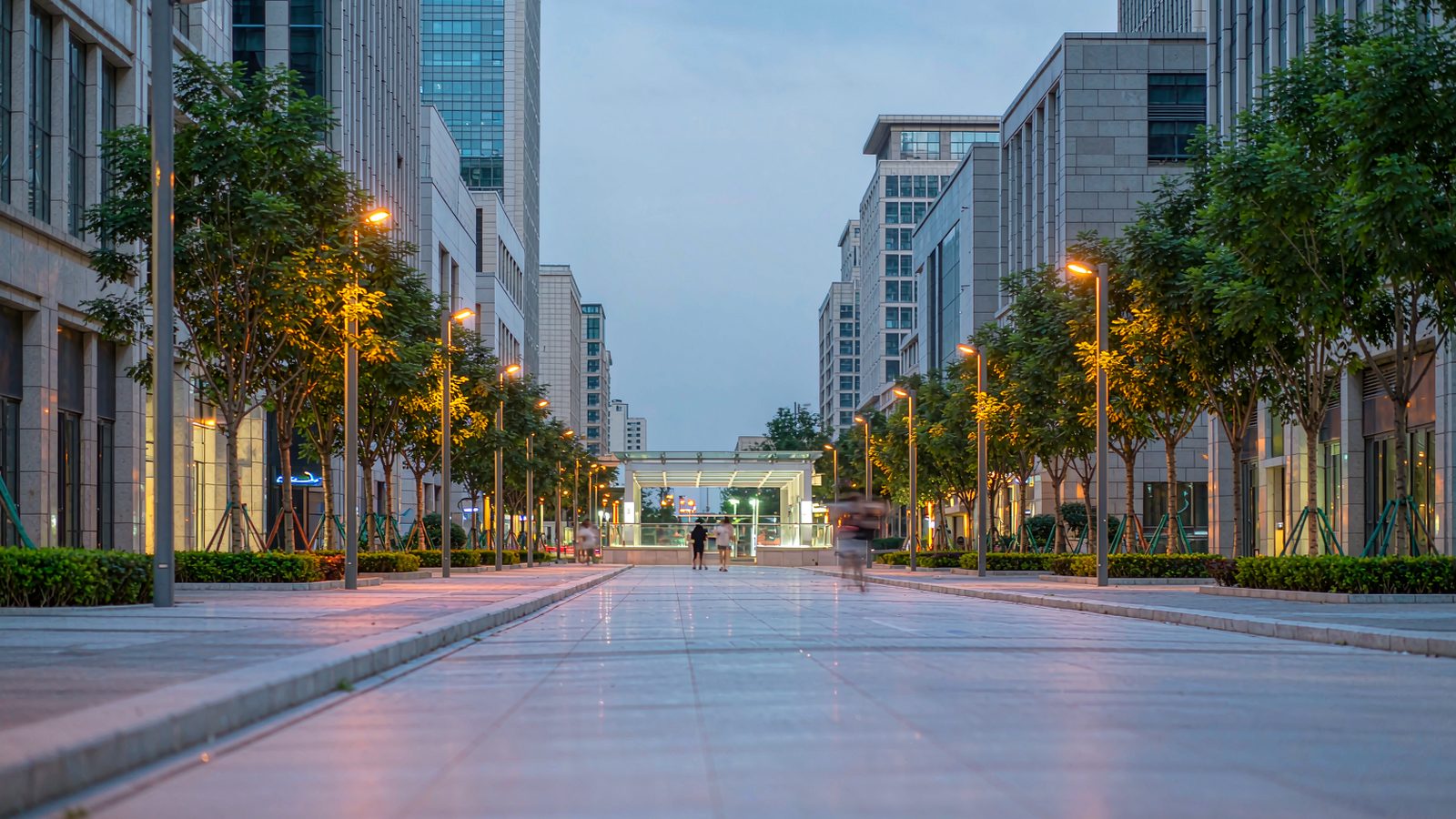
Violent crime is rare and late-night travel is comfortable, but traffic, food, pickpockets and weather are the real risks. Includes 2026 visa-free rules and emergency numbers.
Short answer: China is one of the safest major travel destinations in the world. Violent crime is rare, streets are well lit and heavily patrolled, and most foreign visitors find that walking, taking the metro or hailing a ride late at night feels calmer here than in many large Western cities. The things that actually derail a trip are usually not crime at all: they are road traffic, food and drinking water, pickpockets in crowds, and extreme weather. Plan for those four and a China trip rarely produces unpleasant surprises.
This guide sets out what the real risks are, what is mostly internet exaggeration, and exactly who to call when something goes wrong, using the latest information as of October 2026.
How safe is China, really?
Violent crime rates in most Chinese cities have stayed at the low end of the global range for years, and convenience stores, night markets and metro stations still have foot traffic late at night. That is the single most common observation from first-time visitors.
Three concrete factors support it: dense public-area lighting and camera coverage, a heavy street-level police and patrol presence, and airport-grade security screening at every airport, high-speed rail station and metro line. One side effect is that you are unlikely to see the open drug use or street robbery familiar from some Western cities, but you will spend more time queueing for security checks.
- Solo travelers: daytime exploring and evening trips to malls and pedestrian streets are fine. The thing to avoid is undeveloped countryside and remote roads at night, not the city as a whole.
- Women traveling alone: assault and mugging are very rare in tourist areas, but in bar streets and nightlife venues it still makes sense to stay with company and refuse drinks handed over by strangers.
- Families with children: public facilities are family-friendly, with baby-care rooms in malls and rail stations and step-free access at major attractions.
- Older travelers: security is not the concern; stairs, long walking distances and altitude on routes such as western Sichuan or Jiuzhaigou are.
One clarification matters: safe does not mean risk-free. Treating China as a place where nothing needs planning is the most common cause of a bad trip.
Transport: high-speed rail is safe, road traffic is where risk lives
China's high-speed rail network is among the safest in the world, with real-name ticketing, screening at every station and tightly managed speeds and schedules.
- Your passport is your ticket: the network has been fully paperless since 2019, and you must use the same passport you booked with to enter, board and exit.
- Arrive 30 to 45 minutes early: at major hubs such as Beijing South or Shanghai Hongqiao you need time for security, the waiting hall and the boarding gate.
- Power banks: maximum 100Wh per unit with a clearly printed capacity rating; unmarked units are confiscated. They cannot go in checked luggage and must not be used in flight or on board.
- Knives and aerosols: blades over 60mm and pressurised cans have strict limits, so repack your day bag before you travel.
Road traffic deserves far more attention. Electric scooters and delivery riders weave through cities, turning vehicles still compete with pedestrians, and mountain roads are winding with poor visibility in rain or fog.
- Cross at zebra crossings on a green light rather than following locals who jaywalk.
- Do not self-drive mountain routes, especially after rain or at night. Use licensed vehicles arranged by a travel company instead.
- On shared bikes, stay in cycle lanes and keep away from arterial roads and tunnels.
Streets and attractions: the risk is small money, not big danger
Nearly all incidents foreign visitors run into are small in value but ruin the mood. They share one signature: someone approaches you first - the friendly "student", the helpful passer-by, the person recommending a place only locals know. One rule covers most of it: never accept anything offered unsolicited by a stranger.
- Pickpockets: concentrated in crowded places such as pedestrian streets, night markets, metro interchanges and station squares. Keep phone and wallet in a zipped front pocket and wear your backpack on your chest.
- Tea ceremony and art gallery scams: a stranger invites you to practise English, view art or drink free tea, and the bill at the end runs into hundreds or thousands of yuan. Stand up and leave, and never hand over a bank card.
- Bargain day tours: rock-bottom tours that claim to include tickets, transport and a guide usually recover the cost through forced shopping, and sometimes never enter the main attraction. Book through official channels, a hotel concierge or an established platform.
- Free incense at temples: accepting a stick may lead to a "master" demanding an expensive offering to avert bad fortune. Real temple staff do not recruit visitors outside the grounds.
- Touts at airports and stations: these drivers typically refuse the meter and quote several times the normal fare, and some demand more or swap vehicles mid-journey. Use the official taxi rank or a ride-hailing app.
Food, water and air: the health items that actually matter
Food safety is the most underrated topic in China travel. Regulation is generally solid, but your stomach may not be ready for a new mix of bacteria, oil and chilli.
- Tap water is not drinkable, including for brushing teeth. Hotels usually provide two free bottles a day, and convenience stores sell 500ml for about 2 to 5 yuan.
- Choose high-turnover street stalls that cook fresh and have queues; avoid food left standing, raw dishes and pre-cut fruit.
- Pack the basics: anti-diarrhoeal medicine, oral rehydration salts and antihistamines. Travelers' stomach usually shows up in the first two days.
- Air quality: northern cities can see heavy pollution from November to February. Wear an N95 mask when the AQI exceeds 150, and expect occasional dust storms in Beijing in spring.
For medical care, tier-one cities have international hospitals and clinics with English-speaking staff, which cost more but communicate easily. Public hospitals are efficient and cheap but mostly operate in Chinese. Travel insurance that covers treatment and emergency evacuation is the simplest preparation you can make.
Extreme weather and natural hazards
- Typhoon season (May to November, peaking July to September): affects Guangdong, Fujian, Zhejiang, Hainan and Taiwan, China, and can cancel flights, suspend trains and close attractions. Leave a buffer day in your itinerary.
- Heavy rain and flash floods: the middle and lower Yangtze sees plum rains in June and July; landslides and rockfall follow storms in mountain areas such as Jiuzhaigou, Zhangjiajie and Guilin.
- Altitude and geology: routes into western Sichuan, Jiuzhaigou and Shangri-La involve real altitude gain. Take the first day easy, avoid alcohol and use oxygen if needed.
- Earthquakes: western Sichuan is seismically active. Checking your hotel's escape route on arrival is the one piece of advance preparation worth doing.
Emergency numbers and official help channels
All emergency calls in China are free from any phone, and operators in major cities usually have English-speaking staff.
| Number | Purpose | Notes |
|---|---|---|
| 110 | Police | Theft, robbery, disputes, missing persons. If your passport is lost, report it and obtain a written report |
| 120 | Ambulance | Medical emergencies |
| 119 | Fire | Fire and rescue |
| 122 | Traffic accidents | Road accident reporting |
| 12345 | Citizen service hotline | Complaints about taxi overcharging, being dropped mid-journey, consumer disputes |
| 12328 | Transport supervision | Complaints about taxis, ride-hailing and intercity coaches |
| 12367 | National Immigration Administration | Chinese, English, French, Russian, Japanese and Korean; 24/7. Visas, visa-free rules, ports of entry and permitted stay |
| 12308 | Chinese consular protection hotline | For Chinese citizens only. Foreign visitors in an emergency should contact their own embassy or consulate in China |
Save these in your phone: a photo of your passport page, your insurance policy number, your embassy's address and phone number, and your hotel name and address in Chinese. If you lose your passport, the standard sequence is to file a police report, use it to apply for a travel document at your embassy, then obtain an exit permit from the local exit-entry administration.
Visa-free entry and what it means for your plans
- 240-hour (10-day) transit visa-free: as of August 2026, 57 countries are eligible and entry is possible at any of 65 open ports across 24 provinces, with a confirmed onward ticket to a third country or region.
- Unilateral visa-free entry: China has granted visa-free entry to around 50 countries. Holders of ordinary British and Canadian passports may visit for business, tourism, family visits, exchanges or transit for up to 30 days until 31 December 2026.
- Hainan 30-day visa-free entry: 61 countries are eligible, but activities are limited to Hainan province.
- The stay period starts at midnight on the day after entry, and work, study and news reporting still require prior approval.
Visa-free and transit rules change, so the National Immigration Administration is the authority to check. Visa applications are not something we handle as a travel agency and we never promise to process them, but we will match the correct visa-free category and permitted stay to your actual itinerary so you do not overstay by miscalculation.
Ten-point pre-departure safety checklist
- Passport valid for more than six months and matching the one used to book transport.
- Confirmed visa-free category and permitted number of days for your nationality.
- Travel insurance covering medical care, emergency evacuation and cancellation.
- Translation and map apps installed, with offline maps downloaded.
- Alipay or WeChat Pay linked to an overseas card, plus 300 to 500 yuan in cash.
- Photos of your passport, policy and visa page stored on your phone and in the cloud.
- Power bank under 100Wh with a visible rating, carried in your hand luggage.
- Enough of any prescription medicine, in original packaging with English labelling.
- One buffer day in the itinerary for typhoon or rain disruption.
- Hotel name and address in Chinese, plus a local contact number.
Do these ten things and China is likely to be the least stressful long-haul trip you have taken in years. If you would rather have the logistics handled by people who know the ground - licensed vehicles, bilingual guides, backup plans and a local emergency contact - take a look at our custom tours or simply get in touch.
Need help planning this trip?
Tell us your travel dates and group size — we reply within 24 hours.
WhatsApp +86 183 1705 8017 · WeChat 18317058017
Destinations in this guide

Beijing
Imperial Capital · Great Wall, Forbidden City & Hutongs

Shanghai
China's Modern Metropolis · The Bund & Classical Gardens

Chongqing
The 8D Mountain City · Gateway to the Yangtze Cruise

Chengdu
Home of the Pandas · Gateway to Western Sichuan

Xi'an
Thirteen Dynasties of Capital · Terracotta Army & City Wall
Guilin
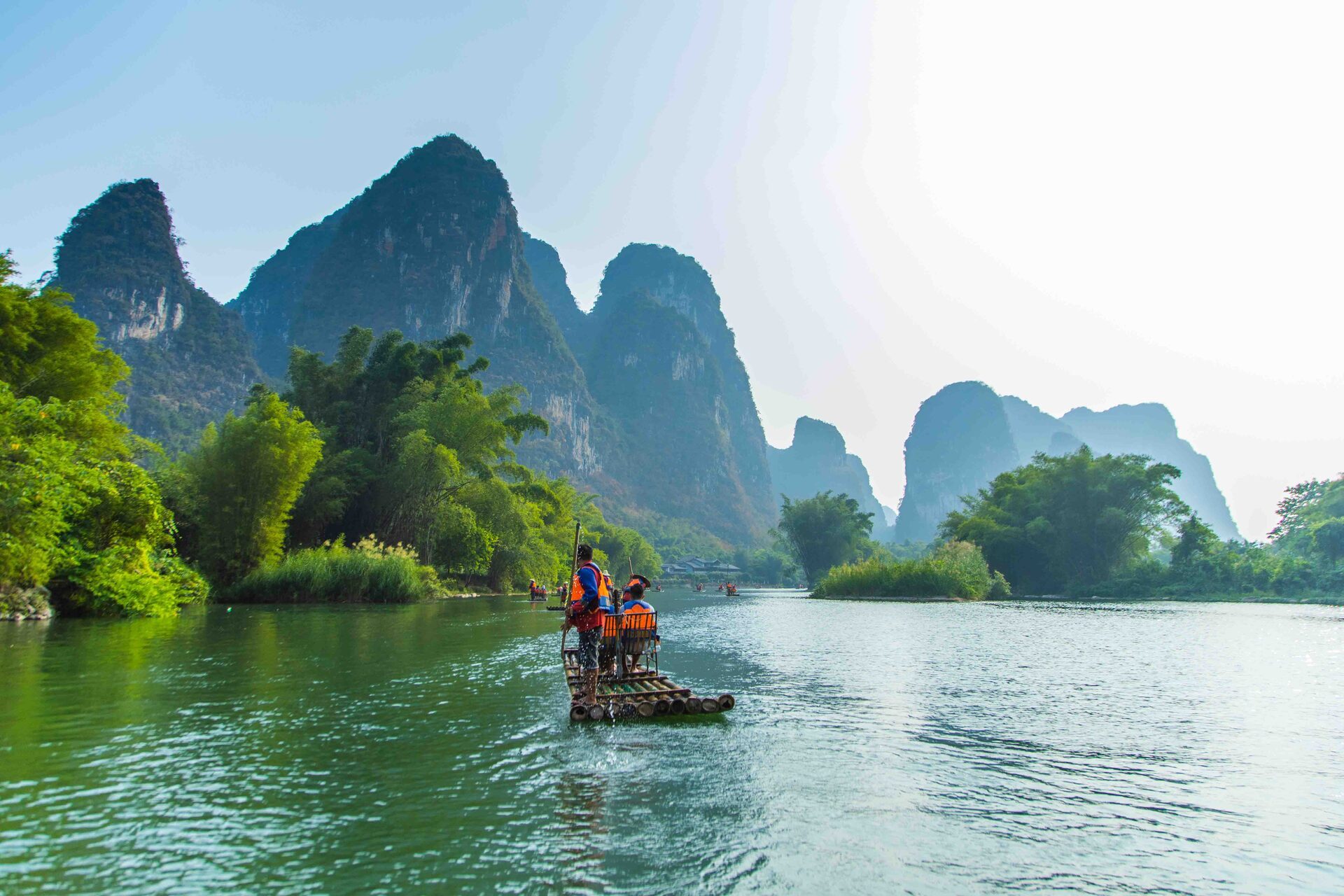
Finest Karst Scenery Under Heaven · Li River & Rice Terraces
Related Tours



More Guides
Flying with a Pet to and from China: Cabin, Hold and Quarantine in 2026
Cabin, live-animal hold or cargo, plus quarantine certificates, the 21-day rabies rule and China entry requirements.
10/17/2026
Solo Female Travel in China: Safety, Night Transport and a 2026 Checklist
Registration, late-night rides, payments and emergency numbers: a practical 2026 checklist for women travelling alone in China.
10/17/2026
Student Travel in China: 2026 Rail Fare Rules and the Best Hands-On Activities by City
A practical guide to study tours in China: 2026 rail student fare scope, visa-free basis for camps, hands-on activities by city, and group safety standards.
10/16/2026