
China's Public Holidays in 2026: The Dates to Avoid and How to Plan Around Them
China's 2026 holiday calendar, the five windows worth avoiding, the railway booking rules that decide whether you get a…
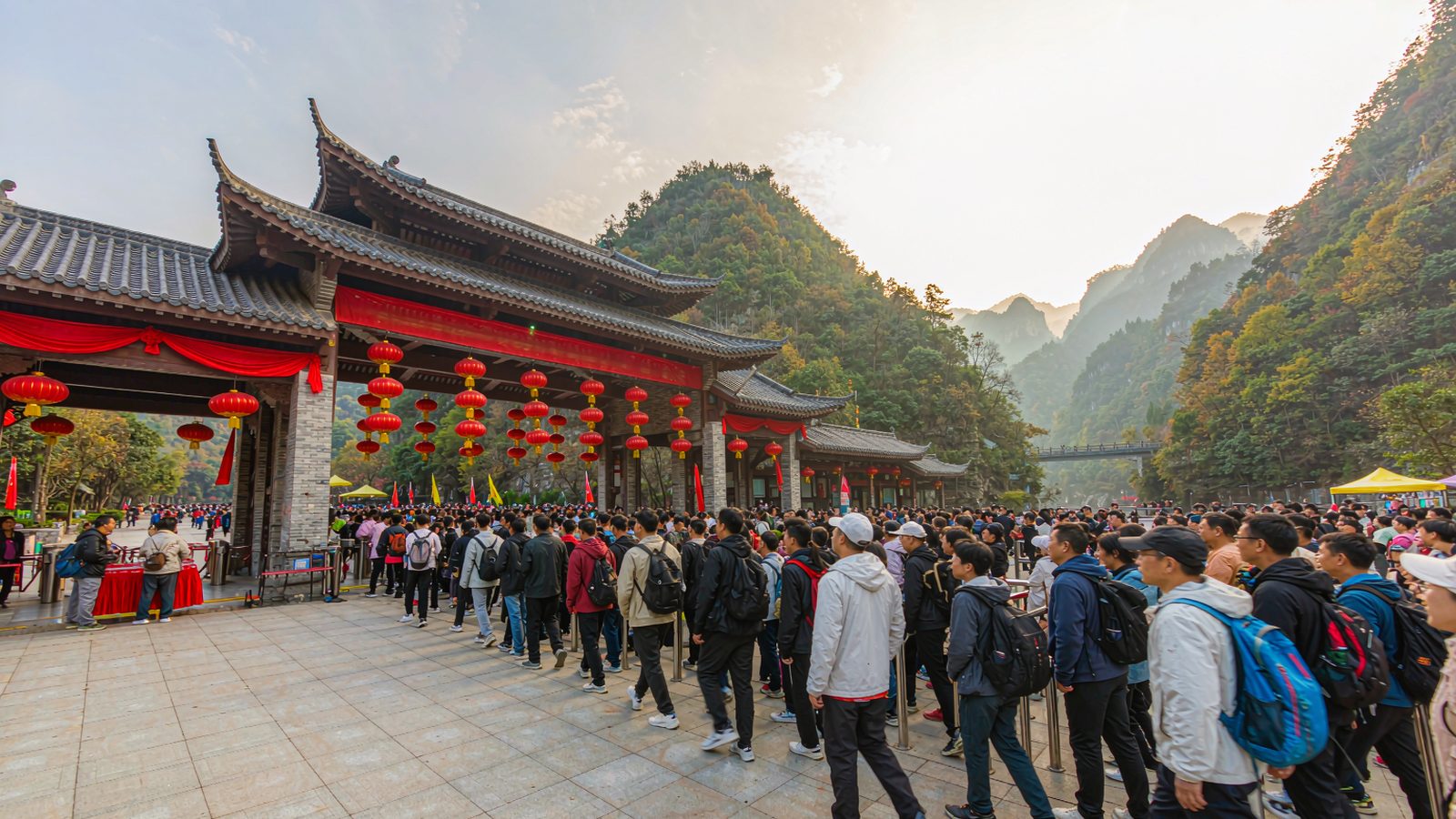
China's 2026 holiday calendar, the five windows worth avoiding, the railway booking rules that decide whether you get a seat, daily caps at Jiuzhaigou, and three fallbacks if your dates are fixed.
If you take one sentence away from this article, take this: China is not crowded everywhere — it is crowded in the same place at the same time. The 2026 calendar offers 33 days of public holiday, yet only five windows push the headline attractions, the high-speed rail network and the hotels to their limits at once.
Every other week of the year is remarkably easy to travel. Mid-to-late May, mid-to-late October and mid-to-late November are the most comfortable and the cheapest stretches of the year. The point is not to avoid China, but to shift your dates by two or three weeks.
What follows is a practical guide you can hold against a calendar: the official 2026 holiday schedule, the booking rules that decide whether you actually get a train seat, how timed-entry caps work at the busiest sites, and three fallbacks if your dates are already fixed.
1. The short answer: five windows to avoid in 2026
Ranked by how crowded they get:
- Spring Festival (15-23 February, nine days) — the biggest peak of the year. Two working Saturdays are swapped to create a nine-day run, and the travel home for family reunions lands directly on top of holiday travel.
- National Day (1-7 October, seven days) — the absolute peak for long-distance domestic travel. High-speed rail tickets on popular routes sell out the day they open, and most major attractions require advance timed entry.
- Labour Day (1-5 May, five days) — five consecutive days falling in the best weather much of the country sees all year. Second only to National Day.
- Qingming (4-6 April) and Dragon Boat Festival (19-21 June) — three-day weekends, mostly short-haul, which noticeably lift crowds around the Jiangsu-Zhejiang region, Sichuan and Guangdong.
- Summer (July-August) — not a public holiday at all, but school holidays keep family travel at a high floor for two solid months, especially on the classic routes to Beijing, Shanghai, Xi'an, Zhangjiajie and Jiuzhaigou.
One further note: in 2026 the Mid-Autumn Festival falls on 25-27 September and is completely separate from National Day, with only three working days in between. Many travellers will bridge them with three days of leave to create a 13-day run, which starts the strain on transport earlier than usual in late September.
2. The official 2026 holiday calendar
Under the State Council General Office notice issued on 4 November 2025, the 2026 schedule is as follows:
| Holiday | 2026 dates | Length | Working weekends |
|---|---|---|---|
| New Year | 1-3 January (Thu-Sat) | 3 days | 4 January (Sun) |
| Spring Festival | 15-23 February (Sun-Mon) | 9 days | 14 and 28 February (Sat) |
| Qingming | 4-6 April (Sat-Mon) | 3 days | none |
| Labour Day | 1-5 May (Fri-Tue) | 5 days | 9 May (Sat) |
| Dragon Boat | 19-21 June (Fri-Sun) | 3 days | none |
| Mid-Autumn | 25-27 September (Fri-Sun) | 3 days | none |
| National Day | 1-7 October (Thu-Wed) | 7 days | 20 Sept, 10 Oct |
Three details that are easy to miss:
- Spring Festival starts on 15 February, not on New Year's Eve. The 28th day of the twelfth lunar month, New Year's Eve and the first day of the new year all fall inside the holiday, so the pre-holiday travel surge begins a day or two earlier than many people expect.
- Mid-Autumn is separate from National Day in 2026, and it is not a free-toll holiday. Only Spring Festival, Qingming, Labour Day and National Day waive expressway tolls for cars with seven seats or fewer. Mid-Autumn traffic pays as normal; the National Day free window runs from 00:00 on 1 October to 24:00 on 7 October.
- The following year's schedule is normally published the previous November. Because Spring Festival, Dragon Boat and Mid-Autumn follow the lunar calendar, their Gregorian dates move every year — never assume next year looks like this one.
3. Why Spring Festival is the hardest nine days: 40 days of chunyun
The pressure is not really the nine-day holiday. It is the migration behind it, known as chunyun.
- Chunyun 2026 runs from 2 February to 13 March — 40 days.
- Officials forecast roughly 9.5 billion cross-region passenger journeys during the period, a record, of which about 540 million are by rail and 95 million by air.
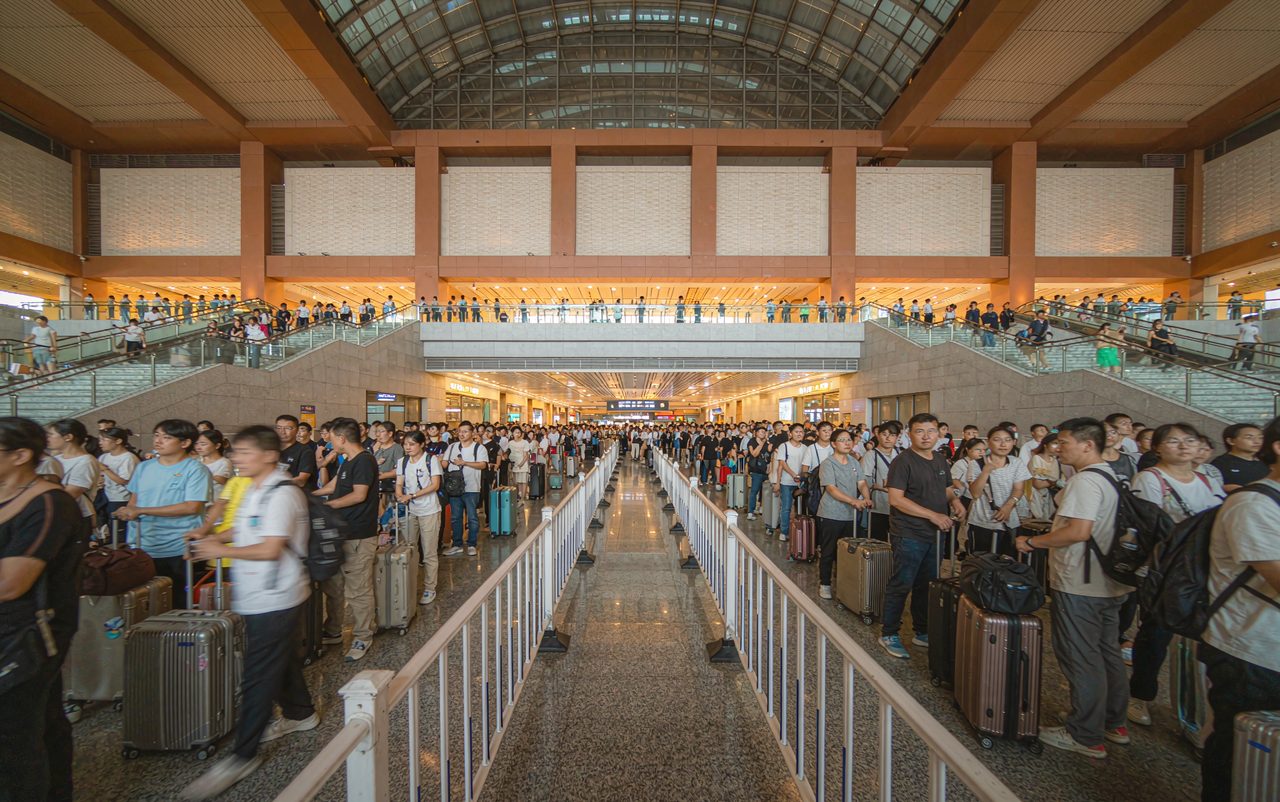
- The tightest points are the two or three days before the holiday (12-14 February) and the return peak (22-23 February). On popular routes, tickets routinely vanish within seconds of release.
In practical terms: arriving in China within five days either side of Spring Festival means competing with a national transport system at full stretch. Expect expensive flights, hard-to-get rail tickets, and hotel rates that double with stricter cancellation terms. Move the trip to mid-January to early February, or to early March, and the difference is dramatic.
4. The scale of National Day, in one number
For the seven days of National Day 2026, transport authorities forecast about 2.13 billion cross-region passenger journeys — roughly 300 million a day, about 1.7 times the normal level. Include the three Mid-Autumn days and the combined total reaches around 2.78 billion. Single-day volume on 1 October is expected to set a record for the period.
The takeaway is that the congestion is not a single-attraction problem; it is the whole transport system running over capacity. The same logic is why so many sites switch on timed entry, real-name booking and daily caps over National Day.
5. Getting a train seat: the 15-day rule and waitlists
China's only official online rail ticket channel is the 12306 website and app. No third-party platform is authorised to sell tickets. The rules worth memorising:
- Booking opens 15 days ahead, including the day of travel. Release times differ by station — commonly 08:00, 10:00, 12:00 and 14:00 — so check your departure station's exact time in the 12306 app rather than waiting for midnight.
- Waitlist tickets. If a train is sold out, you can join a waitlist: up to six waitlist orders per passenger, three travel dates per order, and no more than 60 date-plus-train combinations in total. Tick "accept additional trains" so the system can automatically confirm you onto extra services added later.
- Free cancellation for a mistaken purchase. Within 30 minutes of payment and more than four hours before departure, you can cancel online without a fee — one such order per passenger per calendar day.
- Advance reservation (pilot). Since 20 July 2026, more than 200 trains on the Beijing-Shanghai high-speed and conventional lines have been trialling a reservation service: you can submit a request between 60 and 17 days before departure, with confirmation 20 to 16 days out. It applies to those two corridors only; everywhere else the 15-day rule still governs.
One practical rule: for holiday travel, lock transport first, then hotels, then attractions. Attraction booking is usually the easier constraint; the train ticket is the only genuinely all-or-nothing step.
6. On the attraction side, caps are the norm
Many overseas travellers assume a few days' notice is enough. The ticketing model at China's flagship sites has changed completely over the past decade. Jiuzhaigou, the most requested of them all, states in its own notices:
- Peak season (1 April to 15 November) daily capacity is 41,000; off-season (16 November to 31 March) it is 23,000. Once sold out, it is closed.
- There are no on-site ticket windows; everything is real-name advance booking. Visitors entitled to free or discounted tickets must still reserve in advance.
- Entry runs from 07:30 to 14:00, after which admission stops; the park closes at 18:00.
- When the daily cap is reached, the official mini-programme opens a waitlist, and returned tickets are released in batches at 08:00 and 17:00 each day.
Over the past two years the same model has spread to the Forbidden City in Beijing, the Mogao Caves in Dunhuang, the Potala Palace in Lhasa, Zhangjiajie in Hunan, Huanglong in Sichuan and many others: timed entry, real-name booking, hard daily cap. Two consequences follow. Itineraries cannot be improvised on the ground, and if your dates are fixed by a holiday, you need to start watching tickets 7 to 14 days out.
7. If the dates cannot move: three fallbacks
When the holiday is fixed, these three adjustments recover most of the experience:
- Arrive the day before the holiday begins. Crowd peaks usually land on days two to four of a holiday. Reaching the destination a day early and going straight to the headline site often buys you the calmest day of the week.
- Work both ends of the day. The busiest hours at popular sites are 10:00 to 15:00. Early entry slots and the last two hours before closing are markedly quieter and better lit. Push transport and lunch into the middle of the day and keep the edges for the sites themselves.
- Swap to an equivalent-calibre alternative. When Jiuzhaigou sells out, nearby Shenxianchi and the Panda Park at Jiawuhai absorb visitors well. When Wulingyuan at Zhangjiajie is packed, Fenghuang and Furong are far calmer. When Beijing's headline sites are full, Chengde, Zhengding and Datong sit an hour away by high-speed rail.
8. Two counter-intuitive windows worth using
Holidays are not uniformly bad. Two periods work in the opposite direction:
- The first three days of Spring Festival in the major cities. As huge numbers of residents travel home, traffic and some museums in Beijing, Shanghai and Guangzhou thin out noticeably. At the same time, lantern festivals and temple fairs cluster in the cities, making it the densest stretch of traditional celebration all year. Note that many restaurants and shops close from New Year's Eve through day two, so plan around attractions, malls and chain restaurants.
- Mid-to-late November into early December. The October crowds are gone and the winter break has not begun. South of the Yangtze the last of the red leaves and ginkgo colour is on show, while the north moves into off-season pricing. Hotel rates are among the lowest of the year.
9. Two more peaks that are not public holidays
Two non-holiday surges belong on the same list:
- The Canton Fair. In 2026, the spring sessions run 15-19 April, 23-27 April and 1-5 May; the autumn sessions run 15-19 October, 23-27 October and 31 October to 4 November. Hotel rates and availability in Guangzhou tighten sharply during these weeks, so either avoid them or book well ahead.
- July and August. National school holidays keep family travel high, particularly to destinations that appear in textbooks — Beijing, Shanghai, Xi'an, Chengdu, Zhangjiajie, Jiuzhaigou. It is also the best season in the northwest, so Qinghai, Gansu and Xinjiang absorb a second wave of demand on top.
10. Frequently asked questions
- Is avoiding public holidays enough? No. The windows that matter are the first and last two days of a holiday, the middle of a long holiday, and the July-August school break. Ordinary weekends affect headline attractions far less.
- Do Chinese public holidays affect foreign visitors? Yes, and in exactly the same way. Daily caps, hotel pricing and rail scarcity do not distinguish between nationalities.
- If the holiday is my only option, when should I start booking? Six to eight weeks out. Secure flights and a refundable hotel room first, take the train ticket on the 15-day release day, and book each attraction within its own window — usually 7 to 14 days ahead.
- Is Spring Festival a good time to visit China? It depends what you want. For lantern festivals, temple fairs, fireworks and a full New Year's Eve dinner, it is the only real option. For quiet sightseeing, it is the worst. The two are very hard to combine.
If your dates are already fixed, we can work backwards from them to decide which days belong in the cities, which in the scenic areas and which to transport, and we can synchronise the booking rhythm from the moment tickets open. Send us your dates and group size and we will draft an itinerary that misses the peaks: start with a custom tour or simply contact us. Jadetour has long specialised in inbound travel to China and knows the crowd windows of the southwest especially well.
Need help planning this trip?
Tell us your travel dates and group size — we reply within 24 hours.
WhatsApp +86 183 1705 8017 · WeChat 18317058017
Destinations in this guide

Beijing
Imperial Capital · Great Wall, Forbidden City & Hutongs

Shanghai
China's Modern Metropolis · The Bund & Classical Gardens

Chengdu
Home of the Pandas · Gateway to Western Sichuan

Jiuzhaigou
Fairy-tale Valley · Turquoise Lakes & Waterfalls
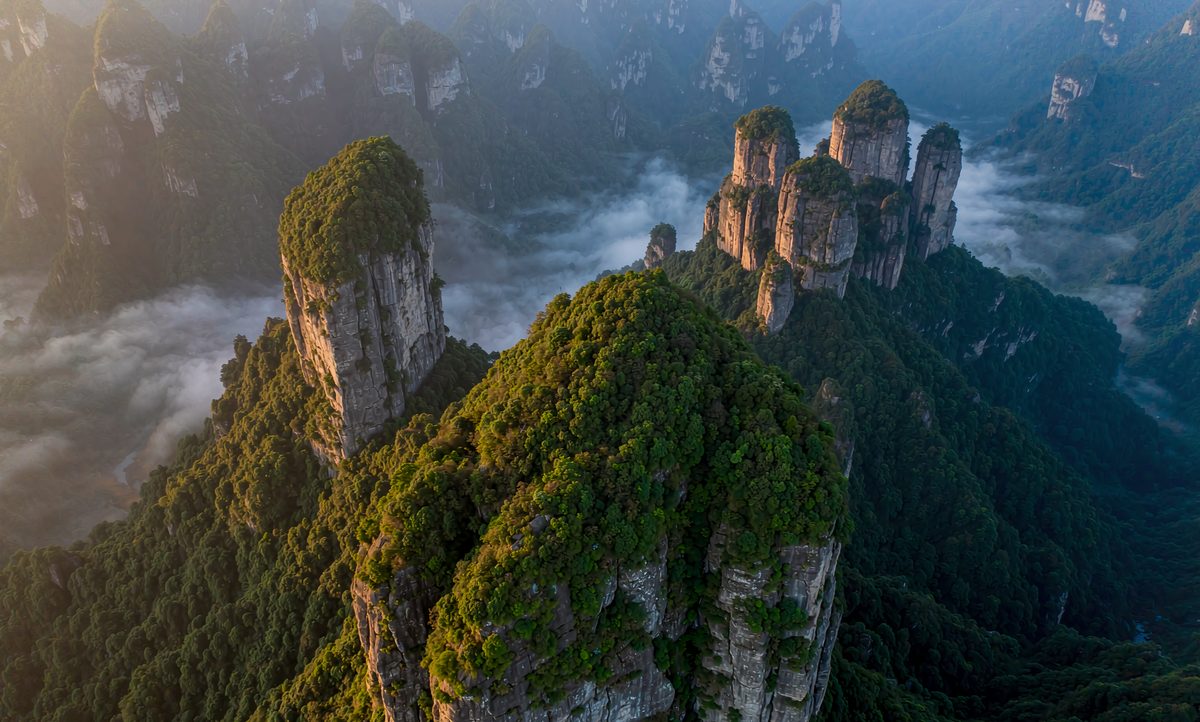
Zhangjiajie
Avatar's Floating Mountains · Quartz Peaks & Tianmen

Xi'an
Thirteen Dynasties of Capital · Terracotta Army & City Wall
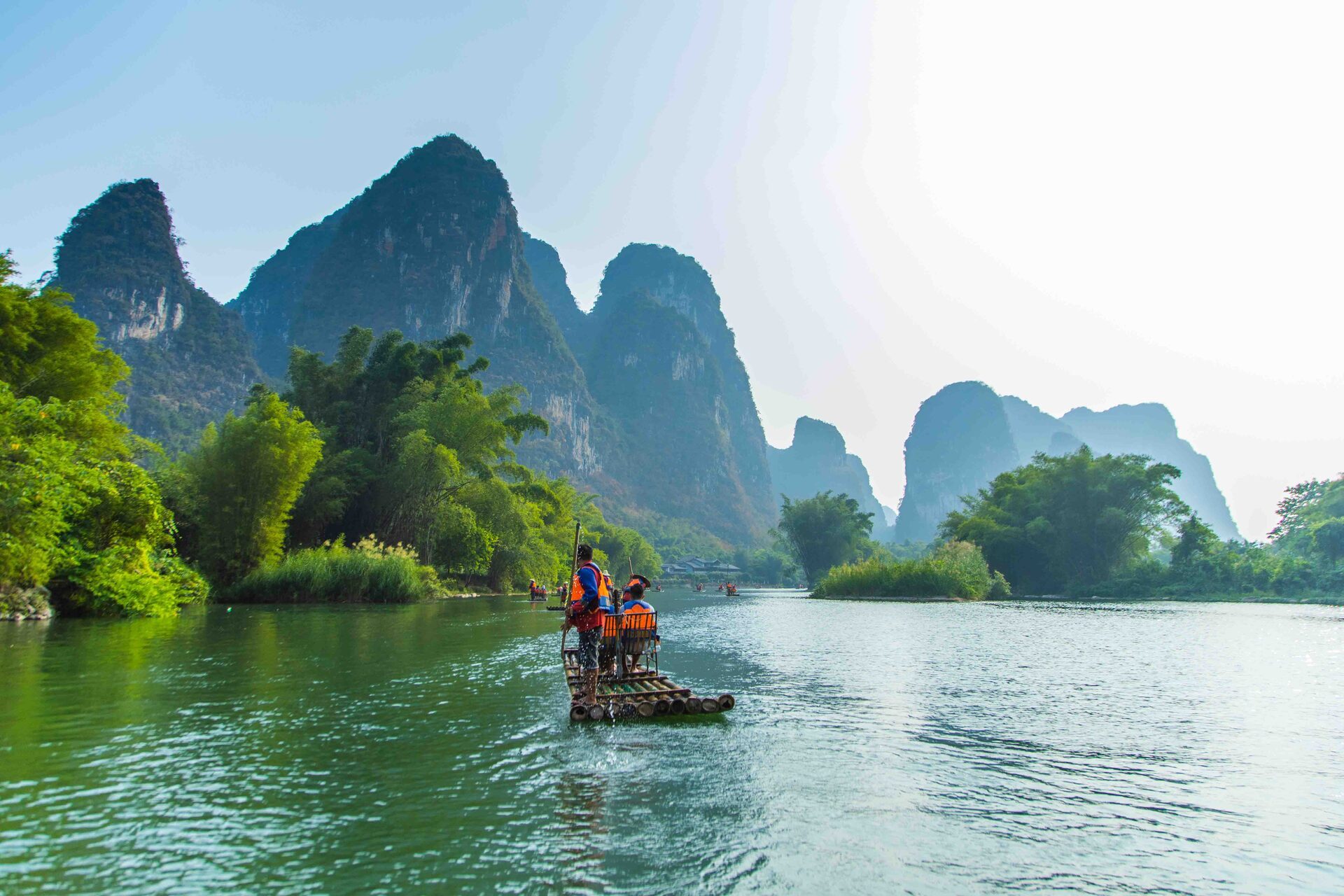
Guilin
Finest Karst Scenery Under Heaven · Li River & Rice Terraces
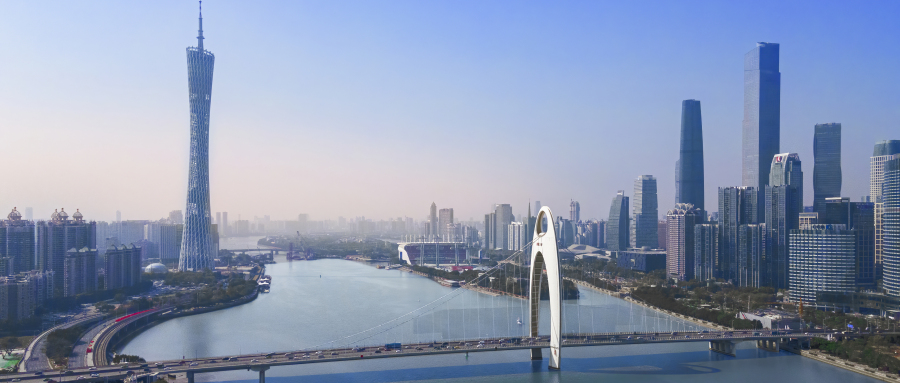
Guangzhou
A Thousand Years of Trade · Dim Sum & Lingnan Arcades
Related Tours

Xi'an 4 Days · Ancient City & Mount Hua
5-10 Days

Huashan Discourse · Xi'an 5 Days 4 Nights In-Depth Tour (Mount Hua + Terracotta Army + Huaqing Palace + Xi'an Everlasting Sorrow Show + Tang Night City + Ming City Wall)
5-10 Days

4-Day Shanghai & Suzhou Culture Tour
5-10 Days
More Guides
Flying with a Pet to and from China: Cabin, Hold and Quarantine in 2026
Cabin, live-animal hold or cargo, plus quarantine certificates, the 21-day rabies rule and China entry requirements.
10/17/2026
Solo Female Travel in China: Safety, Night Transport and a 2026 Checklist
Registration, late-night rides, payments and emergency numbers: a practical 2026 checklist for women travelling alone in China.
10/17/2026
Student Travel in China: 2026 Rail Fare Rules and the Best Hands-On Activities by City
A practical guide to study tours in China: 2026 rail student fare scope, visa-free basis for camps, hands-on activities by city, and group safety standards.
10/16/2026